

Gran Canaria exists as a geographical anomaly, a circular shield of volcanic rock that disrupts the steady flow of the Atlantic trade winds to create over twenty distinct microclimates. If you are planning a trip to this island, the most important thing to understand is that Gran Canaria is not a single destination; it is a continent in miniature. Most visitors make the mistake of picking a resort in the south and staying there for seven days, effectively missing the ancient laurel forests, the high-altitude pine groves, and the colonial architecture of the north. The island’s topography is dominated by the central massif, which forces the moisture-laden “Alisios” winds to drop their rain on the northern slopes, leaving the south in a permanent state of arid, sun-drenched summer. My primary recommendation is this: split your stay. Spend three days in the rugged, humid north or the central mountains, and save the southern beaches for the end. You will experience two entirely different worlds without ever leaving the island, transitioning from misty, prehistoric forests to Saharan-style dunes in less than an hour’s drive.
Where to Stay in Gran Canaria: Comparing the South Coast Resorts
The southern coast is the engine of the island’s tourism industry, primarily because it sits in the rain shadow of the central mountains. While the north might be drizzling, the south is almost guaranteed to be thirty degrees and sunny. However, the experience varies wildly depending on which pocket of the coast you choose. The transition from the commercial bustle of Playa del Inglés to the manicured luxury of Meloneras is stark. Maspalomas remains the crown jewel, famous for its Saharan-style dunes that cover 400 hectares. It is a protected nature reserve, and walking across them at sunrise is one of the few ways to escape the crowds that inevitably arrive by 10:00 AM. The dunes are not static; they are a moving ecosystem, shifting several meters every year, and they provide a vital habitat for the Gran Canaria Giant Lizard, a species that can grow up to 80 centimeters in length.
Maspalomas and Meloneras: Luxury and Landscapes
Meloneras is the more sophisticated neighbor to the dunes, characterized by its wide boulevards and high-end shopping centers. If you are looking for high-end hospitality, this is where you will find hotels like the Lopesan Costa Meloneras Resort & Spa. This property is a destination in itself, featuring 1,136 rooms and a massive infinity pool that appears to merge with the Atlantic Ocean. The Om Spa within the hotel offers a 3,500-square-meter wellness circuit (approx. €45 for a day pass). The pro here is the sheer scale of the facilities and the proximity to the historic lighthouse (El Faro), which has stood since 1890. The con is that it can feel a bit sterile; you are in a bubble of luxury that could be anywhere in the world. The dunes themselves are a must-visit, but be warned: the wind can be ferocious. If the flags are red, the sand will act like sandpaper on your skin. Stick to the marked paths to protect the fragile ecosystem of the Charca lagoon, a brackish pond that serves as a stopover for migratory birds traveling between Europe and Africa.
Puerto de Mogán: The Little Venice of the Atlantic
Further west lies Puerto de Mogán, a village that was once a secluded fishing port accessible only by sea. It is often called “Little Venice” due to its small canals and bridges, though that is a bit of a marketing stretch. It is, however, undeniably the most picturesque coastal village in the south. The architecture is strictly controlled—white buildings with colorful borders and overflowing bougainvillea. It is significantly quieter than Playa del Inglés, making it the preferred choice for families and older travelers. The Hotel Puerto de Mogán THe Senses Collection (approx. €180 per night) offers direct sea access and rooms that feel like private apartments. The major pro is the atmosphere; it feels like a genuine Mediterranean village. The con is the price of dining; you will pay a premium for that harbor view, and the small beach can get incredibly cramped on weekends when the locals visit. If you want to see the underwater beauty without getting wet, the Yellow Submarine (Submarine Adventure) departs from the harbor every hour. At approximately €35 per adult, it takes you 25 meters down to see shipwrecks and schools of Atlantic damselfish.
| Location | Best For | Vibe | Average Nightly Price | Top Attraction |
|---|---|---|---|---|
| Meloneras | Luxury / Shopping | Polished & Modern | €220 – €400 | El Faro Lighthouse |
| Playa del Inglés | Nightlife / Budget | High Energy / Diverse | €80 – €150 | Yumbo Centre |
| Puerto de Mogán | Couples / Scenery | Romantic / Quiet | €150 – €250 | The Canals & Market |
| San Agustín | Relaxation / Health | Calm / Residential | €100 – €180 | Thalassotherapy Centers |
Exploring the Central Highlands: Hiking Roque Nublo and Tejeda
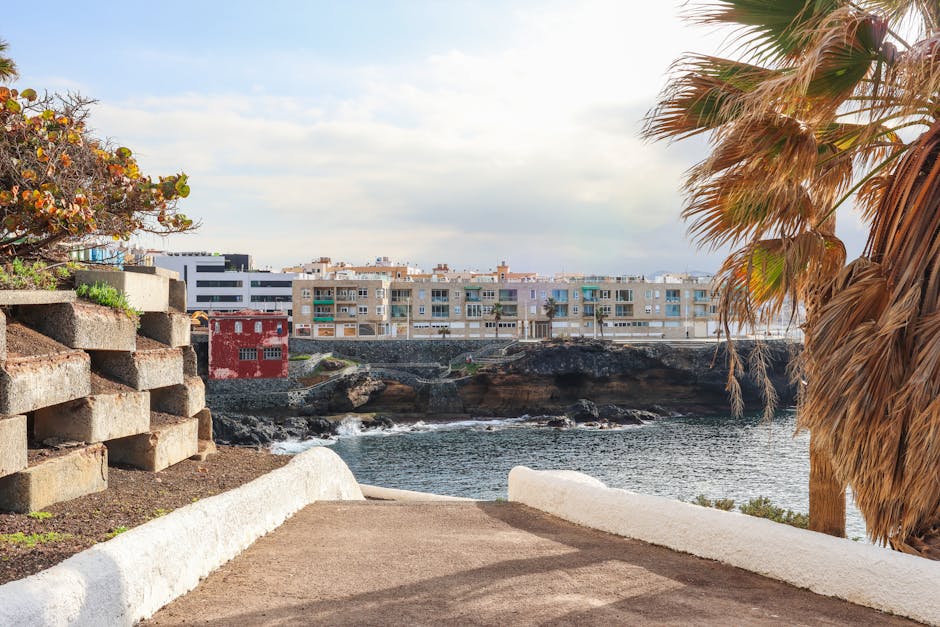
Leaving the coast and driving toward the center of the island is a transformative experience. As you climb, the temperature drops about one degree Celsius for every hundred meters of elevation. You move from palm trees to almond groves and eventually to the Canary Island pine forests (Pinus canariensis), which are unique for their ability to survive forest fires by regenerating from the trunk. This is the heart of the UNESCO Biosphere Reserve. The trade-off for the spectacular views is the driving; the roads, specifically the GC-60, are a series of hair-raising switchbacks that require focus and a decent rental car with a bit of torque. Do not rent the cheapest, lowest-horsepower car if you plan on visiting the interior, as the steep inclines will push a small engine to its breaking point.
Roque Nublo: The Iconic Monolith
Roque Nublo is the island’s most famous landmark, a volcanic plug standing 80 meters tall at an elevation of 1,813 meters. It was formed by a massive volcanic eruption approximately 4.5 million years ago. The hike from the Degollada de la Goleta parking lot is relatively short—about 1.5 kilometers each way—but it is steep and rocky. My advice is to arrive before 9:00 AM. By midday, the small parking area is a chaotic mess of tour buses and frustrated drivers. Standing at the base of the rock, you can see all the way to Mount Teide on Tenerife on a clear day. It is a spiritual place for the local Canarians, and when the mist rolls in, it feels ancient and otherworldly. Make sure to wear actual hiking boots; the volcanic scree is slippery, and twisted ankles are the most common injury for tourists wearing flip-flops on this trail.
Tejeda: One of Spain’s Most Beautiful Villages
Just below the peaks lies Tejeda, a village that seems to defy gravity. This village has been voted one of the prettiest in Spain, and it is easy to see why. The houses are all white with terracotta roofs, clinging to the side of a massive volcanic crater (the Caldera de Tejeda). If you stay here, look at the Parador de Cruz de Tejeda (approx. €160 per night). The pro is the infinity pool that looks out over the clouds and the Bentayga rock, a sacred site for the Guanches (the indigenous people of the islands). The con is that after 6:00 PM, the village becomes a ghost town as day-trippers leave, and dining options become limited. Be sure to try the local bienmesabe, a sweet almond paste made from the thousands of almond trees that surround the village. If you visit in February, you will witness the “Almond Blossom” festival, where the entire valley turns a soft shade of pink and white.
The central highlands are subject to the “Panza de Burro” (Donkey’s Belly) phenomenon—a thick layer of low-lying clouds caused by the trade winds hitting the mountains. If the coast is sunny but the mountains look grey, don’t be deterred; often, you can drive through the cloud layer and emerge into brilliant sunshine at the summit.
Cultural Hubs of the North: Las Palmas and Agaete
The north of Gran Canaria is where the actual life of the island happens. This is where the locals live, work, and eat. It is greener, more humid, and significantly more authentic than the resort zones. Las Palmas de Gran Canaria is the co-capital of the Canary Islands and feels like a major Spanish city with a tropical twist. It has a grit and a history that Maspalomas lacks. If you are a fan of history or urban exploration, this is where you should spend at least two nights. The city is split between the historic Vegueta district and the modern, beach-focused Santa Catalina area.
Vegueta and the Spirit of Discovery
Vegueta is the oldest district, dating back to 1478. Walking through these cobblestone streets feels like stepping back into the Age of Discovery. The Casa de Colón (Columbus House) is a stunning example of Canarian architecture with its ornate wooden balconies and lush courtyards. It is where Christopher Columbus reportedly stayed while his ships were being repaired before his first voyage to the Americas. The museum inside (entry €4) houses fascinating maps and navigation instruments. The pro of Vegueta is the sheer density of culture and the incredible tapas culture. Check out Mendizábal street on a Thursday night for “Ruta de los Pinchos,” where you can get a small snack and a drink for about €3. The con is that it is quite far from the beach, and parking is a nightmare. Stay at the Veintiuno Emblematic Hotels (approx. €190 per night) for a boutique experience right behind the Santa Ana Cathedral, which features a mix of Gothic, Renaissance, and Neoclassical styles.
Las Canteras: The Best Urban Beach in Europe
While Vegueta offers history, Las Canteras offers the lifestyle. This three-kilometer stretch of golden sand is protected by a natural lava reef called “La Barra.” This reef acts as a breakwater, keeping the water calm and perfect for snorkeling even when the Atlantic is rough. The promenade is lined with cafes, surf schools, and restaurants. The Hotel Reina Isabel & Spa (approx. €160 per night) is a classic choice located directly on the sand. The pro of this area is that you have a world-class beach combined with the amenities of a major city. The con is that the weather can be overcast due to the aforementioned “Panza de Burro,” meaning you might not get that deep tan you were expecting in the south.
Agaete and the Valley of Coffee
On the northwest corner of the island lies the Agaete Valley. This is one of the few places in Europe where coffee is commercially grown. The microclimate here is incredibly stable, allowing for the cultivation of tropical fruits and Arabica beans. Visiting a plantation like Finca La Laja is a unique experience—you can taste the coffee and the local wine under the shade of orange trees for about €10. Nearby, the Puerto de las Nieves is a charming fishing port known for its natural volcanic swimming pools (Las Salinas). The water is crystal clear and protected from the Atlantic swells by concrete barriers and natural rock. The pro of Agaete is its rugged, untamed beauty and the lack of massive hotel blocks. The con is that it is often windier and cooler than the south, and the ferry to Tenerife leaves from here, which can make the port area busy during peak transit times.
Inland Villages and Hidden Valleys: Teror, Fataga, and Aguimes
To truly understand Gran Canaria, you have to visit the inland villages. These are the places that maintain the traditional Canarian way of life, from balcony carving to cheese making. Each village has a distinct personality based on its geography. Teror, in the green north, feels like a mountain retreat, while Fataga, in the south, feels like an oasis in a desert canyon. These spots are best visited as part of a slow road trip, stopping whenever you see a sign for a mirador (viewpoint).
Teror: The Heart of Canarian Tradition
Teror is the religious capital of the island, home to the Basilica of Nuestra Señora del Pino. The main street, Calle Real de la Plaza, is famous for its traditional wooden balconies made from Canary pine. These balconies weren’t just decorative; they were a status symbol for the wealthy families of the 18th century. If you visit on a Sunday, the market is a sensory overload of local chorizos, cheeses, and crafts. The Chorizo de Teror is a must-try; it is a soft, spreadable sausage flavored with garlic and paprika. The pro is the authentic atmosphere and the cooler, fresher air that provides a break from the coastal heat. The con is that it can get extremely crowded during religious festivals, particularly in September, making movement and parking nearly impossible.
The Ravine of Guayadeque and Aguimes
One of the most fascinating places to visit is the Guayadeque Ravine, located between Ingenio and Aguimes. This is a deep valley where people still live in cave houses. These aren’t primitive dwellings; they are modern homes carved into the volcanic rock, which provides natural insulation, keeping the temperature at a constant 19-20 degrees Celsius year-round. You can even eat in a cave restaurant like Restaurante Tagoror. The food is rustic—think grilled meats and papas arrugadas (wrinkled potatoes) served with spicy mojo sauce. The nearby town of Aguimes is also worth a stop for its beautifully restored old center and the bronze statues scattered throughout the streets, including a famous statue of a camel. The pro here is the geological and anthropological uniqueness. The con is that it is a popular route for tour buses, so try to go late in the afternoon when the groups have moved on.
- Fataga: Known as the “Valley of the Thousand Palms,” this village sits in a dramatic gorge. It is a haven for artists and those seeking absolute silence. The white houses contrast sharply with the orange and red cliffs of the canyon.
- Arucas: Home to the San Juan Bautista Church, a massive neo-Gothic structure made of dark volcanic stone that looks like a cathedral. It is also home to the Arehucas Rum factory, which offers tours for €5.
- Firgas: Famous for its water-themed staircase, the Paseo de Gran Canaria, which features a 30-meter fountain and tiled benches representing each of the 21 municipalities of the island.
- Artenara: The highest village on the island, offering spectacular views of the central caldera and the cave-chapel of La Cuevita.
The Culinary Landscape: What to Eat in Gran Canaria
Canarian cuisine is a blend of Spanish, African, and Latin American influences
