
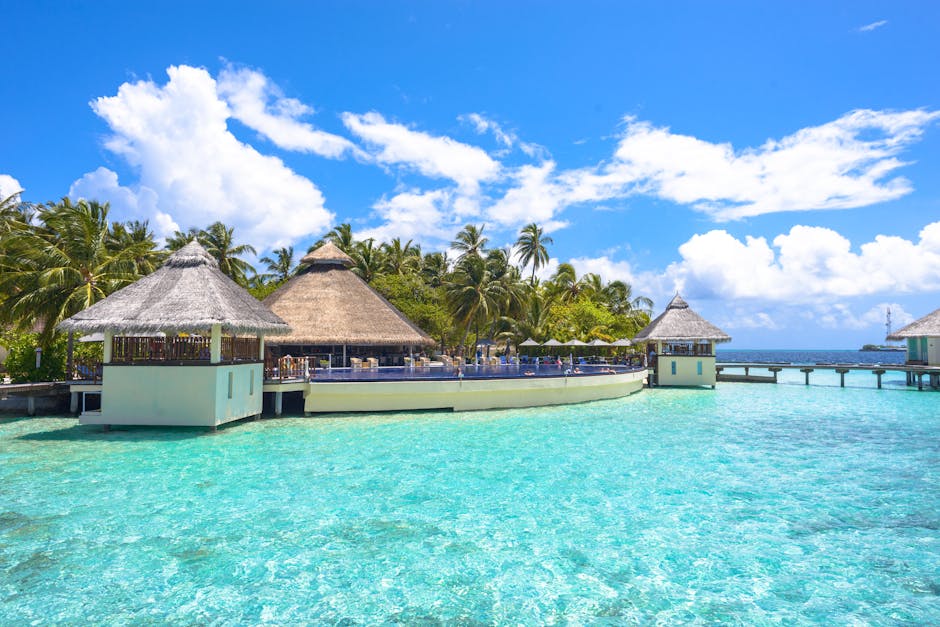
The transition from the high-frequency energy of a wedding to the quiet intimacy of a honeymoon is a psychological pivot that requires more than just a change of scenery; it requires a curated environment that facilitates decompression. Recent industry data indicates that the average couple now spends approximately $5,100 on their honeymoon, a figure that has climbed steadily as the demand for unique, non-traditional experiences outweighs the desire for standard all-inclusive packages. This shift suggests that the modern honeymoon is no longer just a post-wedding rest period but a significant capital investment in a shared memory. When we analyze the global landscape of travel, the definition of a “best” destination depends heavily on three variables: the seasonal weather window, the cost-to-luxury ratio, and the specific psychological goals of the couple—whether that is total seclusion or high-octane adventure.
Affordable Honeymoon Destinations with High Luxury Value
Finding a destination that offers a high standard of luxury without the price tag of a Parisian suite requires looking at regions where the local currency provides a favorable exchange rate for Western travelers. The goal is to identify locations where “luxury” is defined by service density and private space rather than just a brand name. Bali, Indonesia, remains the most consistent performer in this category. While airfare to Denpasar can be high depending on your departure point, the ground costs are remarkably low for the quality of service provided. A private villa with a dedicated pool in Ubud can often be secured for the same price as a standard mid-range hotel room in New York or London, allowing couples to extend their stay or upgrade their experiences without exhausting their savings.
Bali, Indonesia: The Ubud and Uluwatu Split
For couples seeking a balance of culture and coast, a split itinerary is the most logical approach. Ubud offers a lush, jungle environment focused on wellness and traditional arts, while Uluwatu provides dramatic cliffside ocean views. The Viceroy Bali in Ubud is a standout choice for those seeking absolute privacy. This family-owned property features 40 villas, each with its own heated infinity pool overlooking the Petanu River valley. The Terrace Villas (approx. 150 sq. meters) offer an integrated indoor-outdoor living space and a traditional Balinese bale for lounging. Prices typically range from $450 to $800 per night.
Pros: Exceptional staff-to-guest ratio, world-class dining at the onsite Casadesus restaurant, and a private helipad for seamless transfers. Cons: The high humidity can be taxing for those unaccustomed to tropical climates, and the jungle location means encountering local wildlife, including macaques and insects, is inevitable. Travelers should also account for the 1-2 hour drive from Ngurah Rai International Airport, which can be congested.
Portugal: The Alentejo Region
Portugal has seen a surge in popularity, but while Lisbon and the Algarve are often crowded, the Alentejo region remains an undervalued gem for honeymooners. It offers a landscape of rolling vineyards and cork oaks, reminiscent of Tuscany but at a fraction of the cost. São Lourenço do Barrocal is a converted ancient farming village that now serves as a luxury retreat. This 2,000-hectare estate features a Susanne Kaufmann Spa, an organic garden, and its own winery. Expect to pay around €400 to €600 per night for a courtyard room or a small cottage.
Pros: Authentic, quiet luxury; incredible stargazing opportunities as a certified Dark Sky Reserve; and world-class wine programs. Cons: The necessity of a rental car is the primary drawback, as the region is sparsely populated and lacks robust public transit. Furthermore, during the peak of summer (July and August), temperatures in the Alentejo can exceed 40°C (104°F), making outdoor activities difficult during the day.
| Destination | Average Nightly Rate (Luxury) | Primary Draw | Ideal Duration | Potential Downside |
|---|---|---|---|---|
| Bali, Indonesia | $350 – $700 | Private pool villas | 10-14 Days | Long flight times |
| Alentejo, Portugal | $400 – $650 | Wine and seclusion | 5-7 Days | Requires driving |
| Hoi An, Vietnam | $200 – $450 | Culinary scene | 4-6 Days | Monsoon seasonality |
| Mendoza, Argentina | $300 – $600 | Vineyard views | 5-7 Days | Political/Economic volatility |
Top Honeymoon Destinations for Adventure Seekers
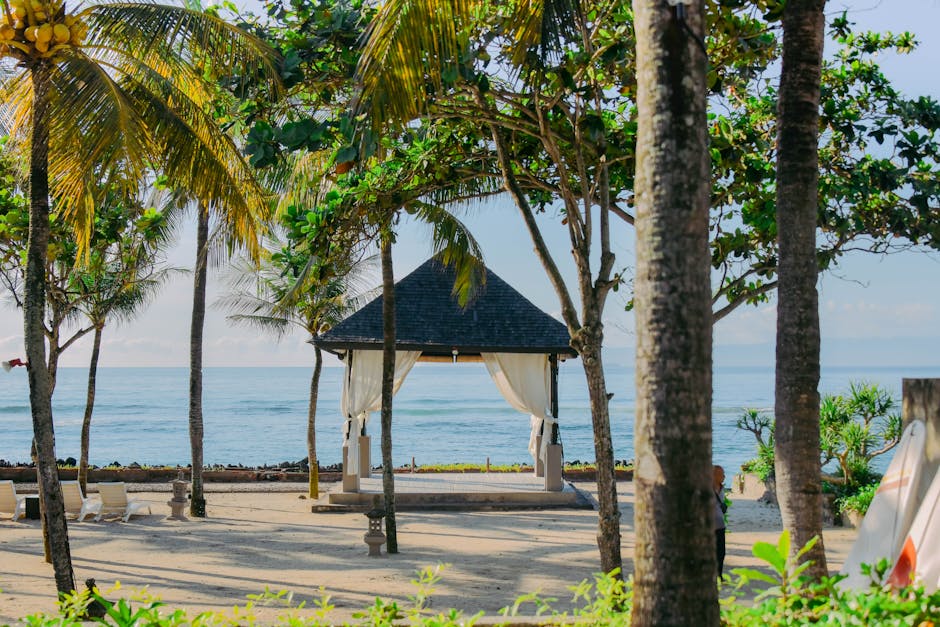
Not every couple wants to spend ten days on a sun lounger. For those who prioritize physiological arousal and shared challenges, the best honeymoon destinations are those that integrate high-end hospitality with rugged terrain. Costa Rica has long held the crown for eco-adventure, but the infrastructure has matured significantly, allowing for a “soft adventure” experience where you can zip-line through a cloud forest in the morning and return to a five-star thermal spa in the afternoon. The trade-off in these regions is often the unpredictability of the weather, as tropical environments are prone to sudden downpours even in the dry season (December to April).
Costa Rica: The Arenal Volcano Region
The area surrounding the Arenal Volcano is the epicenter of Costa Rican luxury adventure. Nayara Tented Camp is frequently cited as one of the best resorts in the world. Each of the 21 safari-style tents (approx. 1,700 sq. feet) features canvas walls that can be opened to the jungle, a private hot spring plunge pool, and an outdoor shower. Prices are steep, often starting at $900 per night. The benefit of this location is immediate access to the Arenal Hanging Bridges, white-water rafting on the Sarapiquí River, and sloth-spotting tours conducted by onsite naturalists.
Pros: Unrivaled wildlife proximity, sustainable architecture, and high-speed Wi-Fi in a remote setting. Cons: The price of excursions is rarely included in the room rate and can add $200-$500 daily to the total trip cost. Additionally, the region is a 3-hour drive from San José (SJO) airport, often over winding mountain roads that can be challenging for those prone to motion sickness.
New Zealand: Queenstown and the South Island
New Zealand offers a different flavor of adventure, focused more on alpine landscapes and extreme sports. Queenstown is the self-proclaimed adventure capital of the world, offering everything from bungee jumping to heli-skiing. Staying at Matakauri Lodge (approx. $1,200 per night) provides a serene base with views of Lake Wakatipu and the Remarkables mountain range. The lodge features only 12 suites, ensuring an intimate atmosphere. Each suite includes a private balcony and an infinity bathtub with mountain views.
Pros: World-class hiking (the Routeburn and Milford Tracks), exceptional Pinot Noir from the Central Otago region, and a high level of safety and cleanliness. Cons: The extreme distance for Northern Hemisphere travelers (often 20+ hours of flight time) and the high cost of dining and fuel. The weather is also notoriously fickle; even in the summer (December-February), temperatures can drop suddenly, requiring a versatile wardrobe.
Planning an adventure honeymoon requires a different packing strategy. Prioritize high-quality moisture-wicking layers over formal evening wear, as most luxury lodges in these regions maintain a “mountain chic” dress code that favors utility. Don’t forget a durable, waterproof daypack for excursions.
Remote Island Escapes for Maximum Privacy
Privacy is the most expensive commodity in the travel industry. For couples who have spent months surrounded by wedding guests, the desire for total isolation is often paramount. This leads many to the “one island, one resort” model found in the Maldives or the private island retreats of the Seychelles. When researching these locations, it is vital to distinguish between islands accessible by speedboat and those requiring a seaplane. The latter offers more seclusion but adds a significant logistical layer and cost (often $500-$800 per person) to the arrival process.
The Maldives: Soneva Jani
Soneva Jani in the Noonu Atoll is often the benchmark for overwater luxury. Each villa features its own retractable roof for stargazing and, in many cases, a water slide into the lagoon. The villas are massive, with the One-Bedroom Water Retreat spanning over 400 square meters. Prices typically start at $2,500 per night and can scale much higher during the festive season. The “No News, No Shoes” philosophy encourages guests to disconnect entirely from the outside world.
Pros: Unparalleled level of privacy, 24/7 “Mr. or Ms. Friday” butler service, and the “Cinema Paradiso” overwater theater. Cons: The “captive audience” effect; once you are on the island, you are restricted to the resort’s dining and activities, which are priced at a premium (e.g., a simple lunch can cost $100+ per person). The seaplane transfer only operates during daylight hours, which may necessitate an overnight stay in Malé if your international flight arrives late.
The Seychelles: North Island
If the Maldives is about the water, the Seychelles is about the granite architecture of the islands themselves. North Island is a conservation-led resort where only 11 villas exist on the entire island. It is one of the most exclusive destinations on earth, with rates often exceeding $6,000 per night. Each villa is a sprawling 4,800 square foot sanctuary built from local stone and timber. The focus here is on “bespoke” luxury; there are no menus, as the chef prepares meals based on the guests’ daily preferences.
Pros: The highest level of biodiversity in the Indian Ocean, private electric buggies for exploring the island, and a sense of having a private continent to yourself. Cons: The price is prohibitive for most travelers, and the island can feel too quiet for those who enjoy a social atmosphere or nightlife. Furthermore, the ocean currents can be strong, making swimming at certain beaches dangerous during the trade wind seasons.
European Honeymoon Spots Beyond the Typical Capitals
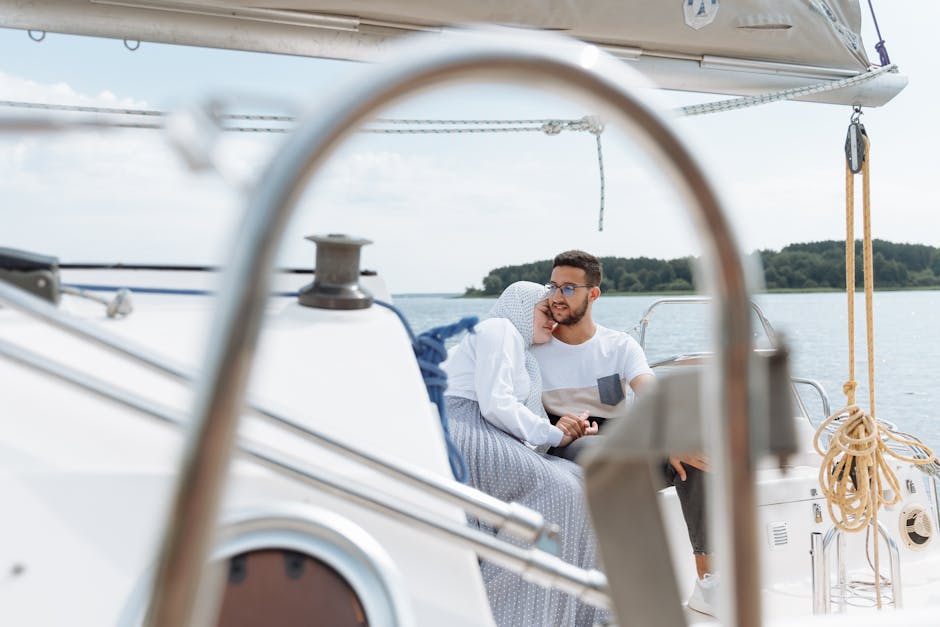
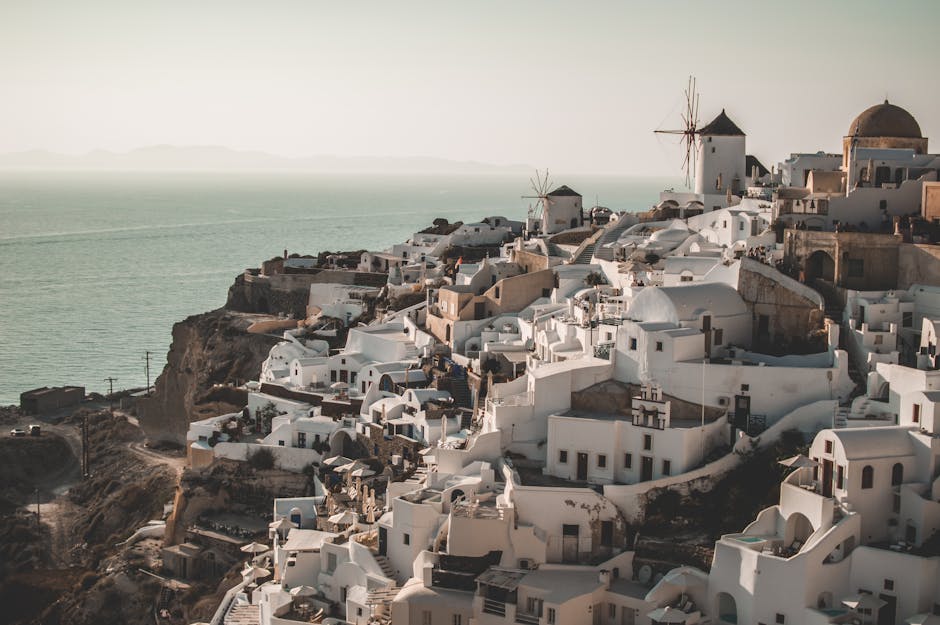
While Paris and Rome are the traditional choices, they are increasingly plagued by over-tourism, which can detract from the romantic atmosphere. Discerning couples are looking toward secondary regions that offer the same historical depth and culinary excellence without the crush of tour groups. Italy’s Puglia region and the Portuguese island of Madeira are two such locations that have seen a rise in luxury infrastructure while maintaining their local character. These destinations are particularly suited for couples who enjoy long, slow meals and architectural exploration.
Italy: The Puglia Region
Puglia, the “heel” of Italy’s boot, is famous for its masserie—fortified farmhouse estates that have been converted into luxury hotels. Borgo Egnazia is the most famous of these, designed to look like a traditional Apulian village using local tufo stone. Rates are usually between $600 and $1,100 per night. The property features the Vair Spa, which focuses on ancient Mediterranean rituals, and several pools that mimic
