
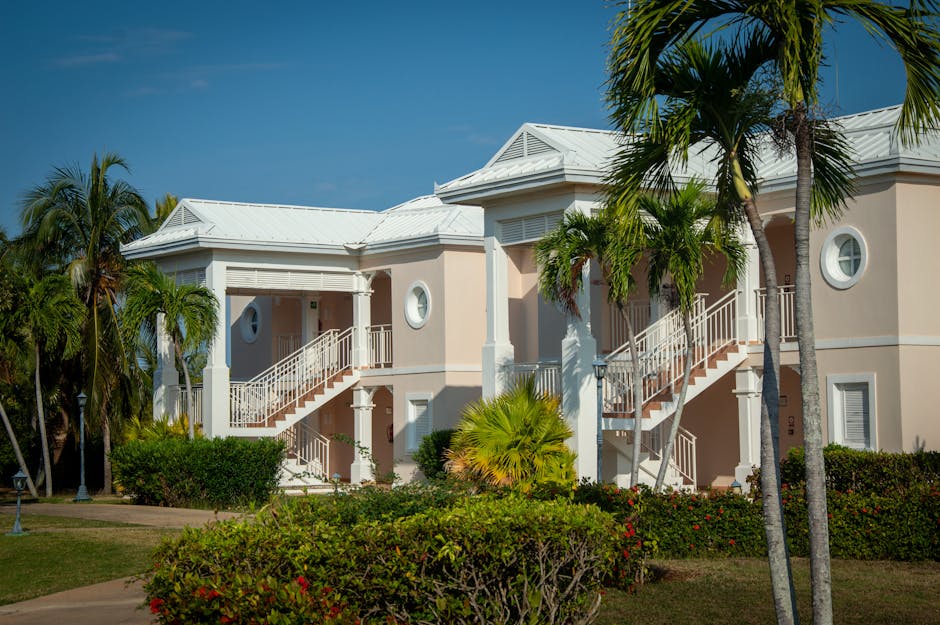
Paying $3,800 for a week at a resort that charges extra for specialty restaurants, upcharges for imported spirits, and emails you a $600 “balance due” statement before checkout is not a deal. It’s a fee-structure problem dressed up in a marketing package. The all-inclusive format can deliver genuine value — but only when you understand what the pricing actually includes before you hand over a deposit.
What “All-Inclusive” Actually Covers — and the Tiers That Matter
The phrase “all-inclusive” has no industry-standard definition. Two resorts can use the same label while offering fundamentally different coverage. This is worth understanding before comparing any prices.
Entry-Level All-Inclusive ($130–$220 per person per night)
At this price point — common across the Dominican Republic and parts of Mexico — “all-inclusive” typically covers buffet dining, one or two à la carte restaurants with limited visits per stay, domestic spirits and local beer, non-motorized water sports, and basic entertainment. What’s excluded is usually substantial: premium spirits, specialty restaurants beyond the allocated visits, spa treatments, scuba diving, motorized water sports, airport transfers, and room service after certain hours.
Riu Hotels and lower-category Iberostar properties often sit in this range. The daily cost per couple in extras frequently runs $80–$150, which erodes the apparent savings from the lower headline rate. Properties at $130/person/night in Punta Cana are not cheap once the week plays out.
Premium All-Inclusive ($280–$600+ per person per night)
Coverage changes significantly at this tier. Sandals Resorts typically includes scuba diving (two dives per day at most properties), all premium and imported spirits, unlimited à la carte dining without reservation restrictions, and a broader water sports program. Excellence Resorts properties in Mexico include a $300 spa credit per booking at Excellence Playa Mujeres in their 2026 pricing tier. Moon Palace Cancun covers 17 restaurants without surcharges, premium spirits, and full water sports programming from approximately $220–$300 per person per night in shoulder season.
The meaningful distinction between tiers is whether a ceiling exists on your spending. At a genuine premium all-inclusive, you can realistically check out without an itemized extras bill. That’s rarer at the entry level than most resort marketing suggests.
Club Med: A Different Pricing Logic
Club Med operates on a per-person model where the all-inclusive genuinely es activities most resorts charge separately for — trapeze lessons, water skiing, supervised kids’ clubs, tennis coaching, and at mountain properties, ski lift passes. Punta Cana and Cancun Yucatan properties start around $200–$220 per person per night in shoulder season, rising to $350–$400+ during peak weeks. The value case only holds if you actually engage with the sports and activity programming. Guests who primarily want to lie on a beach can generally find comparable or better value elsewhere.
2026 Destination Pricing: Where the Numbers Make Sense
Flight costs, currency strength, and local resort competition all shift the real cost of an all-inclusive trip. The nightly resort rate is only part of the calculation.
| Destination | AI Rate (per person/night) | Best Value Window | Avg. Flight (US) | Avg. Flight (UK) |
|---|---|---|---|---|
| Cancun / Riviera Maya, Mexico | $180–$320 | May–June, Sept–Oct | $250–$450 | £380–£550 |
| Punta Cana, Dominican Republic | $150–$280 | April–June | $280–$480 | £380–£520 |
| Jamaica | $200–$450 | May–June | $300–$550 | £450–£650 |
| Canary Islands, Spain | $95–$180 | Nov–March | $600–$950 | £80–£200 |
| Bali, Indonesia | $100–$220 | April–May, Sept | $750–$1,200 | £600–£900 |
| Maldives | $600–$2,000+ | May–Oct (green season) | $900–$1,800 | £700–£1,400 |
Mexico’s Riviera Maya corridor remains the strongest overall value in 2026. New resort openings in 2026–2026 have increased competition significantly, pushing established properties to run more frequent promotional pricing to maintain occupancy. The combination of short US flight times (2.5–4 hours from most East Coast and Southeast hubs), mature resort infrastructure, and competitive pricing is difficult to match elsewhere in the Caribbean basin.
The Canary Islands are an exceptional value proposition for UK travelers specifically. Flights from London, Manchester, and Birmingham to Tenerife, Lanzarote, and Gran Canaria typically run £80–£200 return — a fraction of comparable Caribbean flights. All-inclusive pricing in the Canaries tends to be transparent and well-regulated under EU consumer protection standards, with fewer surprise charges than destinations outside that framework.
Bali’s low resort rates look compelling on paper. But flight cost premiums from North America or Europe frequently negate the per-night savings across a 7-night stay. This destination makes more sense as part of a longer itinerary or for travelers already routing through Southeast Asia.
Five Booking Strategies That Produce Below-Market Rates
- Book directly during chain-specific sale windows. Major all-inclusive chains run predictable promotional calendars. Sandals and Beaches Resorts typically run their strongest sales in January and September. Moon Palace runs “Kids Stay Free” and flash sale promotions in January and late April. These promotions frequently reduce published rates by 25–35%. Signing up for direct email lists from Sandals, Club Med, and Iberostar is the most reliable way to catch these without depending on a price aggregator that may not surface every offer.
- Travel in meteorological shoulder season. The price difference between peak and shoulder season at the same Mexico or Caribbean resort frequently runs 35–55%. September and October sit inside hurricane season statistically, but in practice most Caribbean weeks in those months are uneventful. Travelers who accept a small percentage chance of weather disruption in exchange for 40% lower pricing are making a rational calculation — not a reckless one. Travel insurance with weather cancellation coverage runs approximately $50–$80 per person for a week-long trip.
- Use package bundling as a price floor, then try to beat it. Flight-plus-hotel packages from operators including Expedia, Virgin Holidays, and TUI often price below the sum of their components. Generate a package quote, then price each element separately. If the package wins, book it. If not, book independently. This comparison takes roughly ten minutes and can save $200–$400 per couple on comparable itineraries.
- Book refundable rates early and reprice 30–45 days out. All-inclusive resorts — particularly in Mexico — run yield-managed pricing. Rates 90 days before arrival are often higher than rates 30–45 days out as the resort fills remaining inventory. Book a refundable rate to secure availability, then monitor. If rates drop, call the property directly. Many will honor a re-rate or apply a credit rather than lose a confirmed booking. This is not guaranteed, but it works often enough to be worth ten minutes of follow-up.
- Consider adults-only properties for equivalent or better quality at comparable rates. Adults-only all-inclusives generally deliver stronger food programs and quieter environments at rates similar to family resorts in the same tier. Without the overhead of kids’ clubs and family entertainment logistics, these properties tend to concentrate their F&B budgets differently. Excellence Resorts, Secrets Resorts (AMResorts), and Breathless Riviera Cancun consistently score higher on food quality than comparably priced family properties in their respective markets.
What Leads Most Travelers to Overpay

Three patterns account for the majority of cases where travelers feel the all-inclusive format failed to deliver.
Choosing on headline rate without reading the inclusions list. A $130/person/night rate in Punta Cana or Cancun almost always comes with meaningful exclusions — limited à la carte restaurant access, house spirits only, no motorized water sports, and resort fees not reflected in the advertised nightly rate. The effective all-in cost for a couple over seven nights frequently reaches or exceeds what a $200/person/night property with genuine inclusive coverage would have cost.
Taking “unlimited specialty dining” at face value. Many resorts advertise unlimited à la carte dining as a room category feature, but in practice limit guests to two or three specialty restaurant visits per week unless they booked a higher tier. This is almost always disclosed in the fine print — but almost never in the headline marketing. The correct question when comparing resorts: “How many specialty restaurant visits per stay are included in this specific room category, and is advance reservation required?”
Not budgeting for airport transfers. Transfers are excluded from most all-inclusive rates by default. At Cancun, Punta Cana, or Montego Bay, round-trip private transfers typically run $60–$120 per couple. Shared shuttles cost less but add 60–90 minutes to arrival routing. This catches a surprising number of first-time all-inclusive travelers off guard at the arrivals terminal.
Best All-Inclusive Resort Picks for 2026
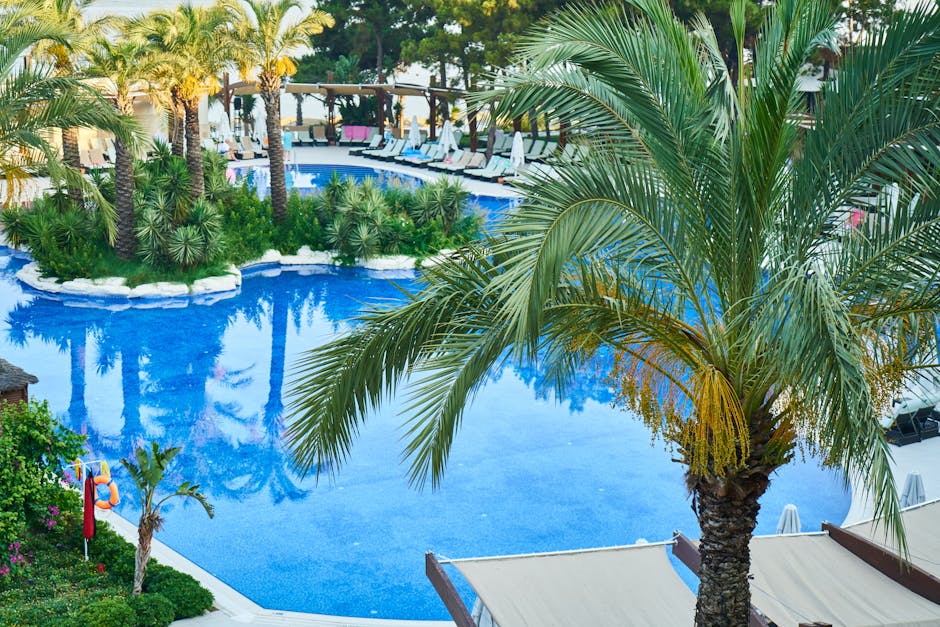
Four properties with track records of delivering on their pricing promises — selected across budget tiers and regions.
Best Budget Value: Iberostar Waves Punta Cana (Dominican Republic)
At approximately $160–$185 per person per night in shoulder season, Iberostar Waves Punta Cana covers domestic spirits, two à la carte restaurants, buffet dining, and non-motorized water sports — on a genuine beach. Beach quality in Punta Cana varies significantly by property location, and this one earns its position on the shoreline. Food won’t challenge a dedicated traveler, but the value-to-coverage ratio is among the most honest in the under-$200 segment. Best for: budget-conscious couples or first-time all-inclusive travelers who want reliable basics without surprises.
Best Mid-Range Family Option: Moon Palace Cancun (Mexico)
For families, Moon Palace Cancun at $220–$300 per person per night is the clearest mid-range recommendation in 2026. Seventeen restaurants without cover charges, premium spirits, a dedicated water park, beach access, and a comprehensive kids’ program. The property scale means it’s not intimate — this is a resort campus, not a boutique hotel. But for groups where variety matters more than atmosphere, the coverage is genuinely comprehensive. This is the best overall mid-range all-inclusive pick for 2026.
Best Premium Adults-Only: Sandals Royal Barbados
Sandals consistently delivers on the “truly all-inclusive” claim in ways most competitors don’t. Royal Barbados — which shares restaurant and beach access with the adjacent Sandals Barbados property — includes scuba diving, all premium spirits, 16 restaurants across both properties, and motorized water sports. Rates run $480–$650 per person per night. Expensive on paper, but the total cost of a week here frequently comes in lower than a nominally cheaper Caribbean resort once you account for what you’d otherwise spend separately. Barbados also has a noticeably strong local food culture that distinguishes this from most Cancun-corridor alternatives.
Best Value in Southeast Asia: Club Med Bintan Island (Indonesia)
Forty-five minutes by high-speed ferry from Singapore Changi Airport, Club Med Bintan covers water sports, fitness programming, and the standard Club Med activity roster from around $175–$200 per person per night. It’s not the Maldives — the beach is decent rather than extraordinary. But for travelers routing through Singapore or building an itinerary across Southeast Asia, the accessibility and all-in pricing make it a practical option that most travel planning resources overlook. Singapore’s connections from most global hubs mean this can be appended to almost any long-haul itinerary without a dedicated positioning flight.
All pricing reflects early 2026 market conditions and is subject to change as occupancy and promotional calendars shift. Travelers working with fixed budgets or specific date constraints may find value in consulting a travel specialist focused on all-inclusive properties — some rates for Sandals and Excellence Resorts are not published through standard booking platforms and are only accessible through direct or agent channels.
