
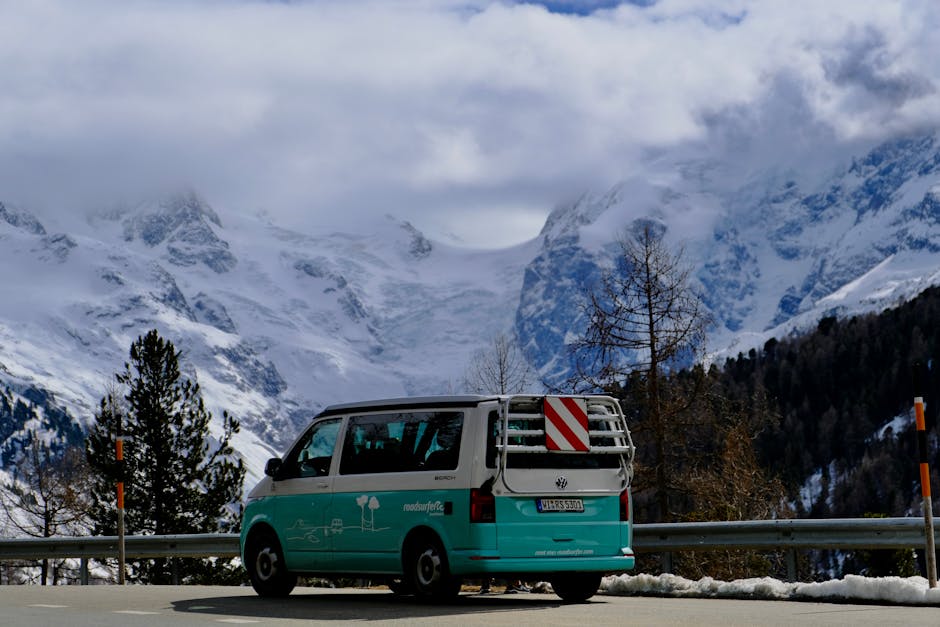
Toronto sits at the center of one of the most driveable regions in North America. Within five hours, you can reach Niagara Falls, Algonquin Park, Montreal, and a dozen worthwhile points between them. The question isn’t where to go — it’s which trips justify the gas and the time, and which ones leave you wondering why you bothered.
This guide covers the routes that consistently deliver, the ones that disappoint without the right expectations, and the mistakes that turn a good weekend into a frustrating one.
Toronto Road Trip Routes: Distance and Drive Time, Honestly
Before anything else, here’s the real driving picture. These times assume normal traffic — add 45 to 60 minutes for Friday afternoon departures from downtown Toronto, more if you’re hitting the 401 east between 3pm and 7pm.
| Destination | Distance from Toronto | Drive Time (off-peak) | Best Trip Length | Peak Season |
|---|---|---|---|---|
| Niagara Falls | 130 km | 1.5 hrs | Day trip or overnight | Spring, Fall |
| Blue Mountain / Collingwood | 150 km | 1.5–2 hrs | Weekend | Winter (ski), Summer (hiking) |
| Muskoka (Gravenhurst) | 180 km | 2 hrs | Weekend | Summer |
| Prince Edward County | 220 km | 2.5 hrs | Weekend | Summer, Fall |
| Sandbanks Provincial Park | 240 km | 2.5–3 hrs | Weekend | July–August |
| Thousand Islands (Gananoque) | 270 km | 2.5–3 hrs | Weekend | June–September |
| Tobermory / Bruce Peninsula | 280 km | 3–3.5 hrs | 2 nights minimum | June–September |
| Algonquin Provincial Park | 290 km | 3 hrs | 2–3 nights | Fall foliage (late Sept–mid Oct) |
| Ottawa | 450 km | 4.5 hrs | 2–3 nights | Spring (tulips), Winter (canal) |
| Montreal | 540 km | 5–5.5 hrs | 3–4 nights | Summer, Fall |
One thing that table doesn’t capture: toll roads. The 407 ETR can cut 20 to 30 minutes off your Friday departure but costs $15 to $40 depending on distance and time of day. Worth it on a crowded Friday afternoon. Skip it on a Tuesday morning when the 401 moves freely.
The Overnight Trips Under 3 Hours That Actually Deliver
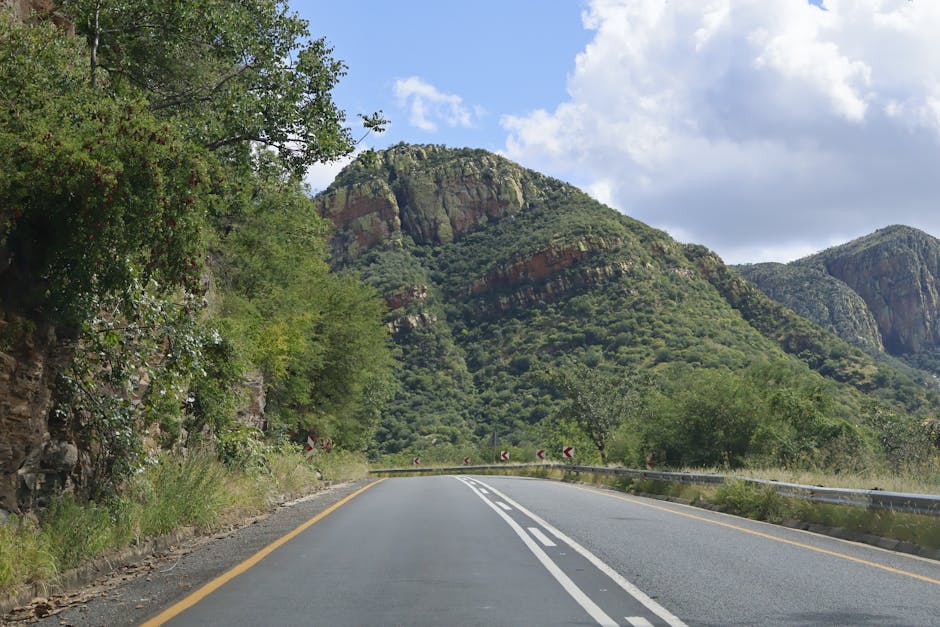
These are the trips that hit the real sweet spot — close enough that you’re not burning a full day driving, far enough that you feel like you actually went somewhere.
Prince Edward County: The One That Always Surprises First-Timers
Prince Edward County doesn’t look like much on a map — a flat peninsula jutting into Lake Ontario, about 2.5 hours east on the 401 past Belleville. In person, it’s a different story.
The county has over 40 wineries, most of them small and unpretentious. Closson Chase Vineyards consistently produces the best Chardonnay in the region — crisp, mineral-driven, nothing like the generic Ontario whites most people expect. Norman Hardie Winery is the most famous name in the county, and the pizza from their wood-fired oven on the terrace is worth stopping for even if you skip the wine entirely.
Sandbanks Provincial Park is the main draw for non-wine-drinkers: the largest freshwater sand dunes in the world, solid beach camping, and lake water that actually gets warm enough to swim in by July. Book campsites through Ontario Parks in February if you want a summer spot — they sell out months in advance, no exceptions.
Picton is the main town. Small, walkable, a handful of genuinely good restaurants. Stay at the Drake Devonshire if you want something with real design sense and lake views. Book a cottage rental through local agencies if you’re coming with a group — the county has a wide range of properties at different price points.
Two nights is the right amount of time here. One night feels rushed. Three nights and you’ll run out of new things to do unless you’re seriously committed to wine tasting as a sport.
Muskoka: Still the Standard
Everyone in Toronto has been to Muskoka. That doesn’t mean it’s overrated — it means it became popular because it earns it every time.
The region starts around Gravenhurst, two hours north on Highway 11, and spreads across Lake Muskoka, Lake Rosseau, and Lake Joseph. The water is clear. The landscape is Canadian Shield — granite, pine, genuine quiet. Cottage rental prices have climbed sharply since 2026; expect $2,500 to $5,000+ per weekend for a decent waterfront property in peak summer through VRBO or Airbnb. Book by March for July weekends or you’re looking at whatever’s left.
If you’re not renting a cottage, the Muskoka Beer Spa in Huntsville is genuinely worth the detour — beer-infused thermal soaks, cedar saunas, and outdoor pools. Odd concept, excellent execution. Book ahead.
Blue Mountain: Better in Summer Than Most People Know
Most Torontonians think of Blue Mountain as a winter ski hill, which means summer and fall visits run lighter and often cost less. The Village at Blue Mountain has restaurants, shops, and mountain biking trails from June through October. The Scandinave Spa Blue Mountain is one of the top spa experiences in Ontario — outdoor thermal baths, steam rooms, and a silence policy that actually sticks. It’s 90 minutes from Toronto on a clear Saturday morning. Hard to beat for a quick reset.
Three-to-Five Hour Drives That Justify the Distance
Algonquin Park in Fall Foliage Season
Mid-September to mid-October is when Algonquin Provincial Park earns its reputation. The foliage peaks around the first or second week of October depending on the year — red maples, birch stands turning gold, moose grazing roadside in the early morning along the Highway 60 corridor.
You don’t need to be a serious backcountry camper to enjoy it. The Visitor Centre near the east gate has strong interpretive exhibits. The Algonquin Art Centre is worth stopping at on the way through. For lodging, Arowhon Pines is the historic classic — remote, no TV, excellent dining in a log-cabin dining hall, and genuinely worth the price. Killarney Lodge sits directly on a lake and books up fast in fall. If you’re camping, Canoe Lake is the standard entry point for paddling trips. Book through Ontario Parks well ahead — fall weekends fill months out.
Tobermory and the Bruce Peninsula
The drive takes about 3.5 hours — up Highway 10 through Owen Sound, then north on Highway 6. Tobermory itself is tiny: a harbor, a few dive shops, some fish and chips spots. What’s worth the drive is Fathom Five National Marine Park, which has some of the clearest freshwater diving in the world and accessible shipwrecks reachable by snorkel. Glass-bottom boat tours run from the harbor for non-divers. Flowerpot Island has unusual rock formations via a short boat ride and a trail through forest.
The Grotto at Cyprus Lake in Bruce Peninsula National Park is legitimately beautiful — a sea cave with blue-green water accessed via a 3km hike. Go in the early morning before the crowds arrive. Cyprus Lake Campground books up fast for summer weekends; plan well in advance or arrive during the week.
Ottawa: The Road Trip Most Torontonians Skip
Ottawa takes 4.5 hours on the 401 east, longer if you stop in Kingston (worth 2 hours for Fort Henry National Historic Site and the waterfront). Most Torontonians don’t think of Ottawa as a road trip destination, which is exactly why it works — less pressure, fewer expectations, and a city that consistently delivers.
The Byward Market neighborhood has some of the best restaurant density in the country. The National Gallery of Canada holds the largest collection of Canadian art in the world and the building itself is worth seeing. In winter, the Rideau Canal Skateway is one of the world’s longest naturally-frozen skating surfaces at 7.8km — a genuinely unique experience. In May, the Canadian Tulip Festival fills the parks near the canal and Commissioners Park with over a million tulips. Neither is a gimmick. Both are worth timing a trip around.
Crossing Into the US: The Honest Take
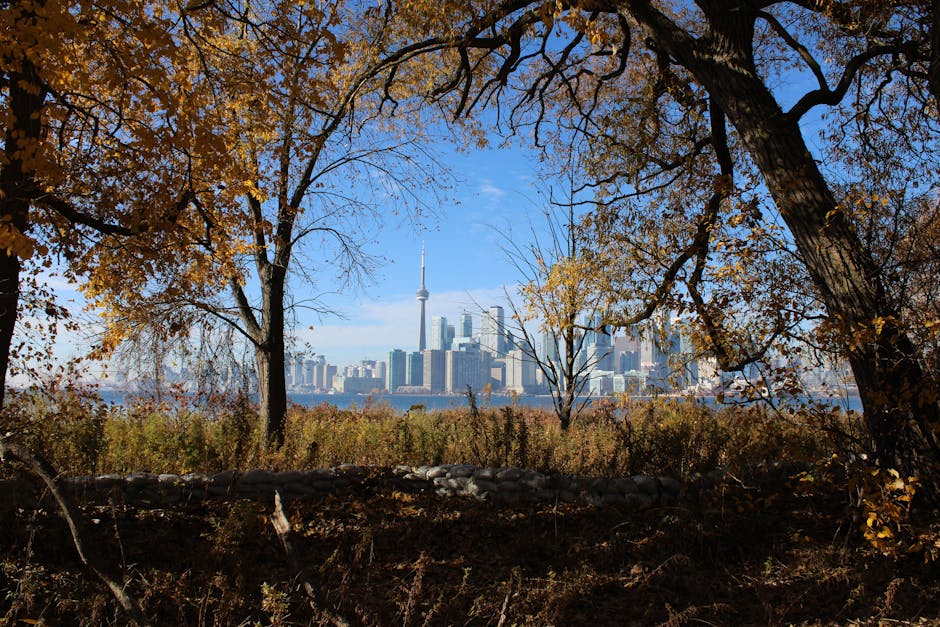
The Lewiston-Queenston border crossing just past Niagara Falls connects Ontario to western New York. Buffalo is two hours from Toronto. From there, the Finger Lakes wine region is another hour east, and the Adirondacks are reachable beyond that.
Unless you have a specific US destination locked in, the Ontario options are strong enough that the border hassle rarely pays off. Peak weekend wait times can add 90 minutes each way. Bring your passport, check CBP Border Wait Times before you go, and have a clear reason you’re crossing — not just curiosity about what’s on the other side.
Five Mistakes That Ruin Toronto Road Trips
- Leaving on Friday after 3pm. The 400 north and 401 east both turn into parking lots between 3pm and 7pm on Fridays without fail. Leave by noon or wait until 7pm. There is no middle ground that works.
- Skipping the campsite reservation. Ontario Parks reservations open in January for summer dates. If you show up at Sandbanks or Algonquin in July without a booking, you’re sleeping in a motel or driving home. There are no walk-in spots left by May for peak summer weekends.
- Going to Niagara Falls in August without a plan. Clifton Hill in peak summer is genuinely exhausting. If you’re going, stay on the Canadian side, book dinner at a restaurant with a Falls view before you arrive, and get to Table Rock — the viewpoint directly above the Horseshoe Falls — first thing in the morning. The falls are always worth seeing. The carnival around them is entirely avoidable.
- Underestimating drive time through cottage country. Speed limits drop frequently between Barrie and Gravenhurst, and construction seasons are long. What looks like a 2-hour drive on Google Maps often becomes 2.5 with stops and reduced-speed zones on Highway 11.
- Not checking seasonal closures. Some parks and attractions have shoulder-season closures from late October through May. The Chi-Cheemaun ferry from Tobermory to Manitoulin Island runs May through October only. The Muskoka Beer Spa books out weeks ahead in summer. A quick check of Ontario Parks and Parks Canada websites before you commit saves real disappointment on arrival.
When to Go: Matching the Season to the Route
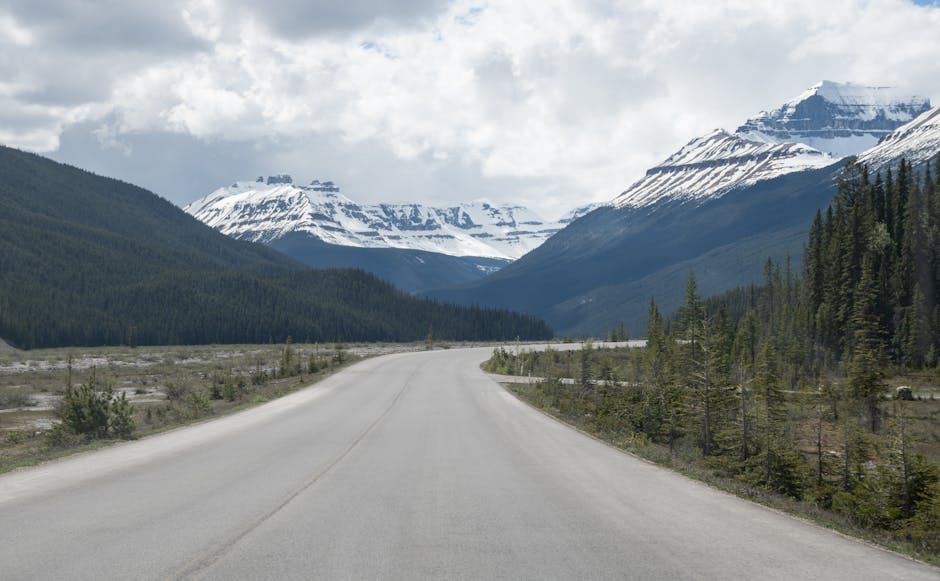
Spring (April–May) is best for Ottawa during the Tulip Festival — usually the second and third weeks of May. Prince Edward County before the summer crowds arrive is also a strong call: wineries are open, prices are lower, and the roads haven’t been overrun yet. Avoid Muskoka in April; many cottage operations aren’t open and the back roads are still recovering from frost damage.
Summer (June–August) is peak season for Sandbanks and Tobermory — swimming, paddling, and warm evenings are the point. Muskoka cottage season peaks in July and August. Niagara Falls is fully operational but busiest; go on a weekday if you have flexibility. Blue Mountain switches to hiking and mountain biking mode and draws lighter crowds than its ski-season self.
Fall is the best season for road trips from Toronto. Algonquin foliage peaks in early October and the Highway 60 corridor becomes one of the most scenic drives in the province. Prince Edward County harvest season runs through October — wine events, farm stands, and cooler hiking conditions. Traffic on most routes drops sharply after Labour Day weekend and accommodation prices follow.
Winter has genuine highlights — Blue Mountain ski season from December through March, the Rideau Canal Skateway in Ottawa when temperatures cooperate, and a handful of Muskoka resorts that run ice fishing operations year-round. The weakest windows for most Ontario trips: mid-November through early December, and March’s mud season. Everything is either closed or transitioning, the scenery is flat, and the weather doesn’t offer the payoff of real winter.
Pick your destination, match it to the season, and leave before noon on Friday. The routes are there. The only question was always whether you’d go.
