
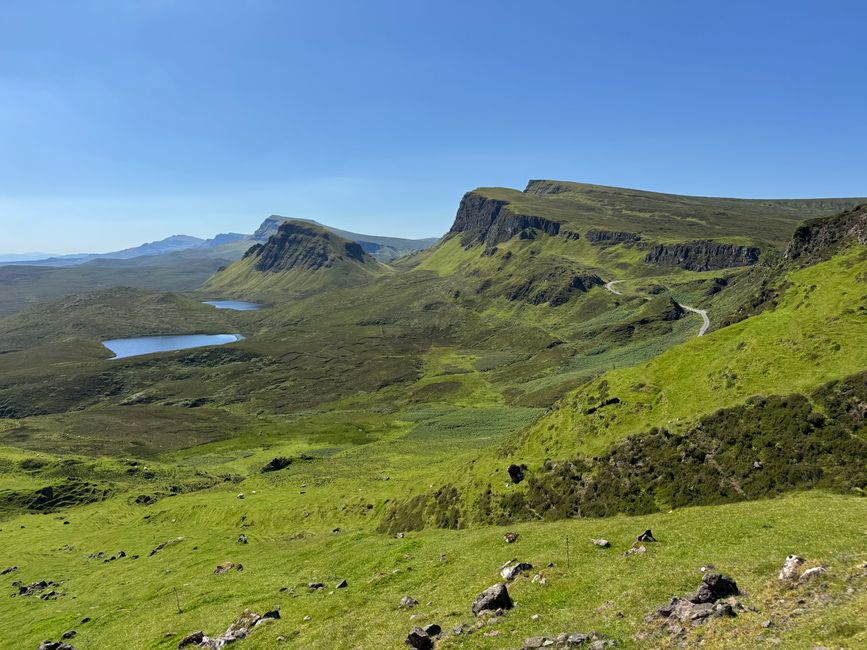
June is one of the strongest months for a North Coast 500 road trip: long daylight hours, open Highland attractions, and enough warmth for coastal walks. It is not a dry-weather guarantee, though, and the route becomes frustrating when drivers try to force all 500 miles into four or five days.
The smart plan is seven days, a compact car, flexible bookings, and one spare afternoon for weather. That gives you the scenery without turning every day into a race between viewpoints.
Why June works for the North Coast 500
June is the best all-round month for first-time visitors who want scenery without winter driving. The road network is easier than it is from late autumn through early spring, mountain paths are more accessible, and many cafés, visitor centres, boat trips, and castles operate on fuller opening schedules.
Long daylight helps, but it does not create unlimited time
Around the June solstice, northern Scotland has daylight well into the evening. That gives you room to stop at places such as Bealach na Bà, Shieldaig, Achmelvich Beach, Smoo Cave, Dunnet Head, and the Black Isle without rushing every photograph. The extra light also makes an early start less punishing. You can leave at 7:30am, drive a quiet section before coach traffic builds, and still stop for breakfast.
There is a catch. Light is not the same as usable driving time. A 90-mile Highland day can take four or five hours once you add single-track traffic, passing places, sheep, roadworks, photo stops, and lunch. Planning by mileage alone is how visitors end up skipping the walk they actually came to Scotland to do.
June weather is mild, changeable, and wetter than marketing photos suggest
The Met Office 1991–2020 averages for Inverness put June daytime highs near 14.8°C, night-time lows near 7.6°C, and monthly rainfall near 93mm. Northern and western locations can feel colder and wetter, especially beside exposed beaches or on the Applecross peninsula. Use the Met Office climate averages as a planning baseline, not as a promise for your travel week.
Pack for four seasons in one day. A waterproof shell, warm mid-layer, hat, and shoes that handle mud matter more than summer clothing. Midges can also appear in calm, damp weather, especially near lochs and woodland. June wins because it offers the best balance of light and access, not because it removes Highland weather from the equation.
How many days do you need for the NC500?
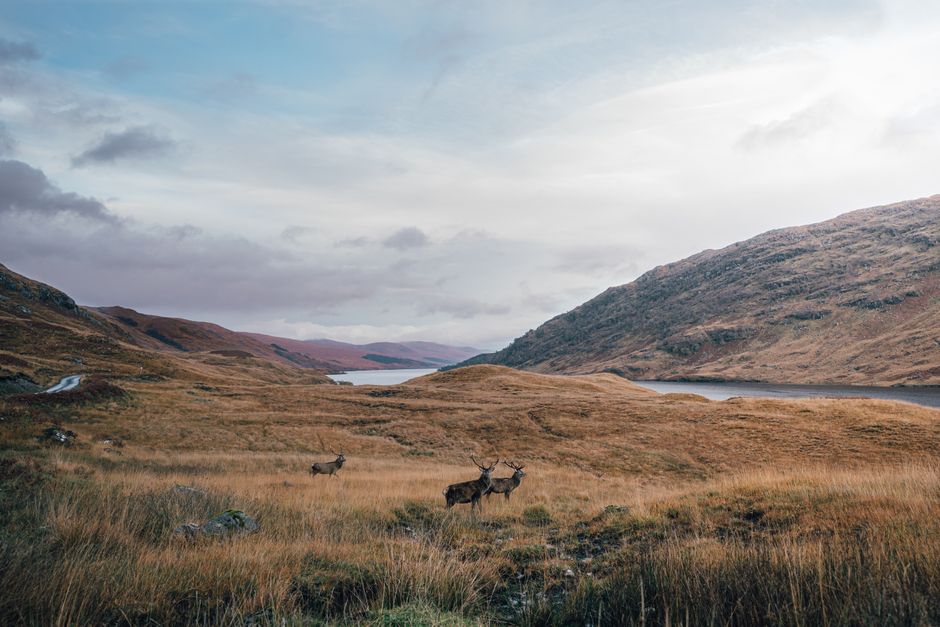
The route is often described as roughly 500 miles, but the number on the map hides the real workload. The western section contains narrow roads, steep gradients, and viewpoints that deserve time. A seven-day loop from Inverness is the clear winner for most visitors. Six days can work for experienced road trippers, but five days turns the route into a driving checklist.
A seven-day schedule with room to stop
| Day | Route | Approximate driving | Best use of the day |
|---|---|---|---|
| 1 | Inverness to Applecross or Shieldaig | 75 miles, 3–4 hours | Start slowly, cross Bealach na Bà only in safe conditions, and sleep west of the pass. |
| 2 | Applecross to Torridon and Ullapool | 70 miles, 3–4 hours | Prioritise coastal viewpoints, Torridon scenery, and a proper walk. |
| 3 | Ullapool to Lochinver and Achmelvich | 65 miles, 2.5–3.5 hours | Take the slower coastal road and allow time for beaches and short hikes. |
| 4 | Lochinver to Durness | 85–100 miles, 4–5 hours | Use the day for Assynt, Kylesku, beaches, and Smoo Cave. |
| 5 | Durness to Thurso or Wick | 75 miles, 2.5–3.5 hours | Visit the north coast and keep a buffer for wind or rain. |
| 6 | Wick to Inverness via the east coast | 115 miles, 3–4 hours | Stop at Dunnet Head, John o’ Groats, Dunrobin Castle, or coastal villages. |
| 7 | Inverness and nearby attractions | Flexible | Keep this as a weather reserve instead of booking a non-refundable departure. |
Why five days feels rushed
Five days leaves little space for a closed attraction, a slow campervan, a missed lunch stop, or a worthwhile walk. It also makes the west coast the victim of time pressure because visitors often spend too long around Inverness and then drive the final sections after dark. If you have only five days, choose a western Highlands loop rather than claiming to complete every mile. VisitScotland describes the NC500 as a route through Inverness, Applecross, Torridon, Ullapool, and the northern coast; that sequence works best when you accept that several stops deserve half a day, not ten minutes.
Bottom Line: Book seven days for the full loop. Choose five days only if you are happy to cut detours and accept a driving-heavy holiday.
What to pack and reserve before you leave
The right preparation is practical rather than glamorous. You need equipment that works when the forecast changes, accommodation that matches the route, and a navigation backup for weak mobile coverage. Branded gear can help, but buying expensive kit does not make a bad itinerary safer.
Pack for rain, wind, and long stops outside the car
- Waterproof shell: The Patagonia Torrentshell 3L is commonly listed around £180 in the UK and gives you a proper three-layer shell for wet walks. A cheaper jacket is fine if it has taped seams and a stated waterproof rating. A thin fashion raincoat is not a substitute.
- Walking shoes: Merrell Moab 3 shoes are usually priced around £100–£130 and offer a sturdy option for beaches, woodland paths, and maintained trails. Waterproof boots are useful in boggy ground, but heavy boots can be uncomfortable if your trip is mostly short viewpoints.
- Power and navigation: The Anker 737 power bank stores 24,000mAh and often costs roughly £100–£120. It is heavy, so a smaller 10,000mAh battery is enough for a phone-only trip. Download offline maps before leaving. OS Maps and Google Maps both offer useful planning tools; never rely on a live signal at every passing place.
Choose the rental car for the roads, not the photograph
A Ford Puma has a 456-litre boot and is a practical size for two travellers with soft luggage. A Toyota Yaris-sized hatchback costs less to fuel and is easier on narrow roads. A large SUV looks reassuring but creates problems at passing places, tight village car parks, and single-track bends. Four-wheel drive does not cancel poor visibility, wet brakes, or reckless speed.
Reserve accommodation in Applecross, Torridon, Ullapool, Lochinver, Durness, and the east coast well ahead of June. The best small guesthouses sell out first. For gear, the verdict is simple: buy a reliable waterproof layer and comfortable shoes; skip premium gadgets unless your route includes remote hiking or you already know you will use them.
What can go wrong on a June NC500 drive?
The biggest risks are not dramatic mechanical failures. They are small planning errors that compound across a week: a late start, no lunch plan, an overfilled itinerary, or a driver who treats a single-track road like a motorway.
Should you drive Bealach na Bà in any weather?
No. The pass is steep, narrow, and exposed. Avoid it in poor visibility, strong winds, icy conditions, or if you are uncomfortable reversing to a passing place. The coastal road around the Applecross peninsula takes longer but is the better choice when the pass feels unsafe. Check local conditions on the morning of the drive, not only when you booked the car.
What should you do if the weather closes in?
Keep a low-level alternative ready. Replace a mountain walk with a beach, distillery, museum, castle, or shorter coastal viewpoint. Do not force a summit or exposed cliff walk because it was printed in your original itinerary. June gives you long days, so moving an activity by six hours can save the trip.
How do you avoid blocking the road?
Use passing places only to allow traffic to pass; never park in one for photographs. Pull fully into a wider lay-by before stopping. Drivers behind you may be local workers rather than tourists, and they may know the road better than you do. Keep fuel above half a tank because rural stations have limited opening hours and some automated pumps require a payment card that works offline or abroad.
Also check accommodation cancellation terms. A £20–£40 flexible-booking premium can be cheaper than losing a full night after a ferry disruption, road closure, or illness. The right NC500 plan has decisions built into it, not just scenic stops.
