
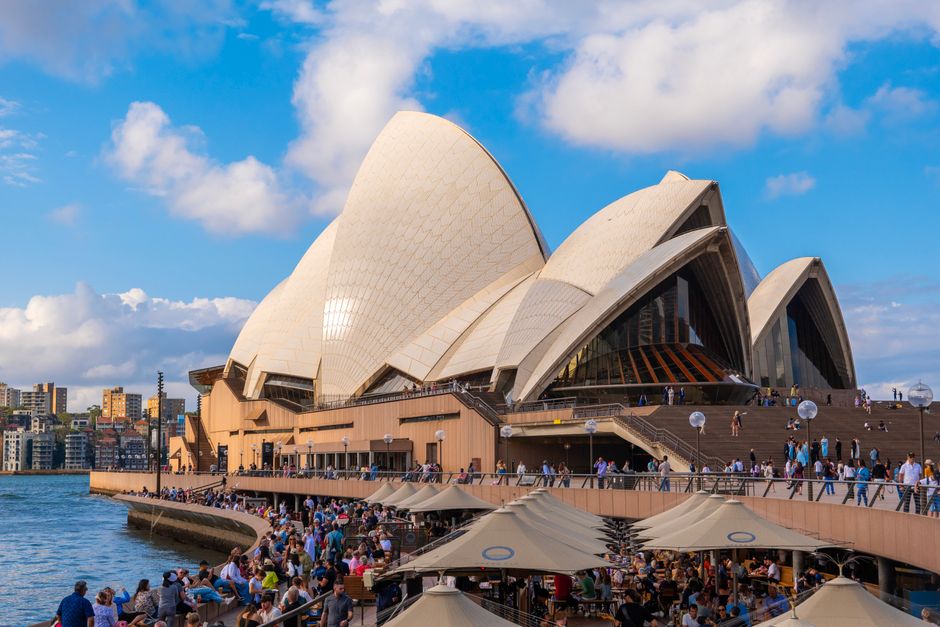
The common misconception is that Australia has one uniform summer. It does not. Sydney in February is warmer, more humid and more beach-focused, while Melbourne can swing from cool and windy to brutally hot within the same week. That difference matters more than the calendar.
My clear pick: choose Sydney for a first visit built around beaches, harbour views and outdoor swimming; choose Melbourne for food, galleries, live sport and a better chance of finding lower accommodation rates. February is still late summer, but it is not peak New Year season everywhere. Plan around heat, rain, school holidays and event dates instead of trusting a simple “summer in Australia” label.
Is February a good time to visit Sydney and Melbourne?
Sydney is the safer choice for classic summer plans
Sydney usually gives visitors the more dependable beach holiday. February brings warm days, comfortable evenings and water temperatures that suit swimming, although humidity and sudden rain can interrupt a carefully planned day. Bondi, Manly, Coogee and the harbour foreshore all work well, but early starts are smarter than trying to walk exposed coastal paths at midday.
The Bureau of Meteorology lists average February rainfall of about 119 millimetres for Sydney. That does not mean constant rain. It means a short, heavy shower can appear after a bright morning, so a light waterproof layer earns its space in your bag. The city also has more humidity than Melbourne, which makes a 27°C afternoon feel harder during long walks.
Melbourne rewards visitors who can handle changeable weather
Melbourne averages much less February rainfall, about 37 millimetres according to the Bureau of Meteorology, but its weather is less predictable from hour to hour. A morning can feel cool enough for a jacket, followed by a hot afternoon and a sharp evening change. Pack layers rather than one heavy coat.
Melbourne is the better base for people who want café streets, museums, galleries, markets and day trips. The city centre is compact, and many attractions sit close to trams. That reduces both transport costs and the amount of time spent crossing a large metropolitan area.
Verdict: Sydney wins for a first-time summer trip; Melbourne wins for travellers who value culture and food more than beach weather. Check the Bureau of Meteorology city climate tables before booking non-refundable outdoor tours.
How much should a February trip to Australia cost?
My budget recommendation is AUD 180 to AUD 300 per person per day, excluding international flights, if two people share a mid-range room. You can spend less with hostels and supermarket meals, but Sydney accommodation can consume the savings quickly. Melbourne usually gives budget travellers more choice inside the central area.
A realistic seven-night planning budget
| Expense | Sydney estimate | Melbourne estimate | Planning note |
|---|---|---|---|
| Shared hotel room | AUD 140–220 per person per night | AUD 120–190 per person per night | Prices rise around major events and weekends |
| Breakfast and coffee | AUD 15–25 per day | AUD 15–25 per day | Use cafés selectively rather than every meal |
| Lunch and dinner | AUD 45–80 per day | AUD 40–75 per day | Restaurant drinks can add AUD 10–18 each |
| Local transport | Up to AUD 19.30 Monday–Thursday | Up to AUD 11 per day | Weekend caps are lower in both systems |
| Paid attractions | AUD 20–60 per day | AUD 15–50 per day | Alternate paid museums with free walks and galleries |
| Seven-night total | AUD 1,650–2,700 | AUD 1,450–2,450 | Per person sharing a room |
Where the budget usually breaks
Airport transfers, last-minute hotels and restaurant drinks create the biggest leaks. Sydney’s airport station access fee sits outside the normal Opal daily and weekly caps, so the headline transport limit does not describe the whole airport journey. In Melbourne, a cheap central hotel can still be poor value if it requires long regional travel for every day trip.
If you are comparing Jetstar Starter, Virgin Australia Economy and Qantas Economy for an internal flight, compare the final checkout total rather than the first fare displayed. A cheap base fare can change after checked baggage, seat selection and airport transfer costs. For a Sydney–Melbourne flight, I would accept a slightly higher fare when the schedule saves half a day of sightseeing.
Bottom line: Melbourne is usually the easier city for a controlled daily budget, while Sydney earns its higher price when beaches and harbour scenery are the main reason for the trip.
What should you do in Sydney and Melbourne in February?
A Sydney plan that respects heat and rain
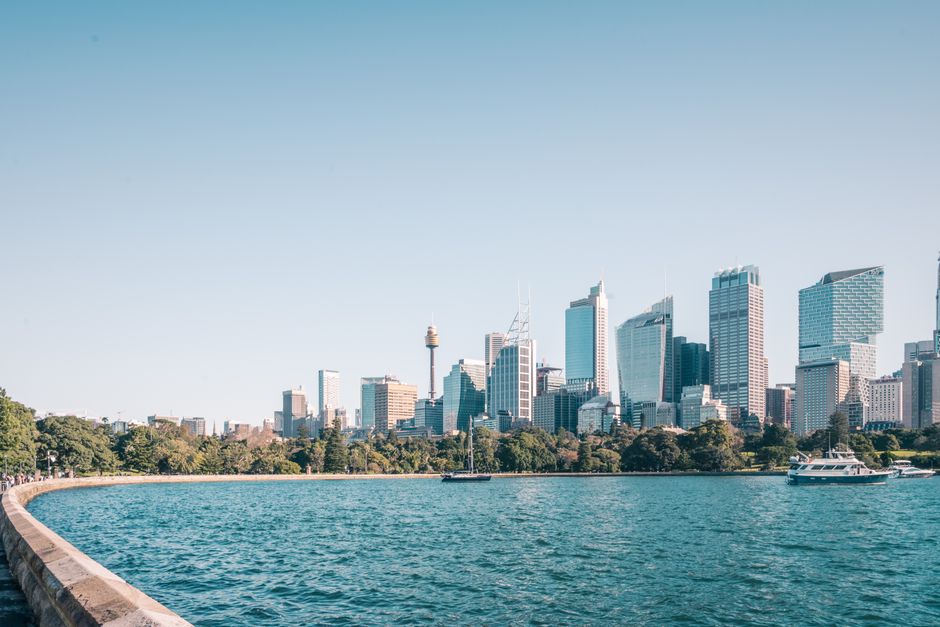
Start with the harbour before the strongest sun. Walk from Circular Quay toward the Royal Botanic Garden, then continue to Mrs Macquarie’s Chair for one of the city’s best skyline views. Spend the afternoon at a museum, in a shaded café or near the water rather than stacking three exposed walking routes together.
Reserve one full day for Manly. The ferry ride is part of the experience, but beach time should stay flexible because wind, surf conditions and rain can change the feel of the day. A second outdoor day can cover Bondi to Coogee, but start early and carry water. The coastal path is scenic; it is not a relaxing walk in the middle of a hot afternoon.
A Melbourne plan that uses indoor and outdoor time well
Use the central city as your anchor. Pair the National Gallery of Victoria with Southbank, then move through laneways and cafés when the afternoon heat rises. The Royal Botanic Gardens, Queen Victoria Market and the inner-city tram network make it easy to build a day with short outdoor sections and regular places to cool down.
For a day trip, choose the Great Ocean Road only if you can accept a long travel day. Phillip Island is a better fit for wildlife and coastal scenery, but the return journey still takes planning. Do not book a packed excursion after a long-haul arrival. Jet lag plus heat turns a supposedly efficient itinerary into an expensive missed-tour problem.
The best seven-day split
- Days one to three: stay in Sydney for the harbour, one beach day and one flexible rain-safe day.
- Day four: fly or take the train to Melbourne, depending on your time and tolerance for a long journey.
- Days five to seven: use Melbourne for galleries, food, markets and one regional day trip.
- Keep at least one unscheduled half-day. February weather is too variable for a trip with no recovery space.
Verdict: A Sydney-to-Melbourne split is worth the extra domestic transfer only for trips of seven nights or more. With five nights, stay in one city and see it properly.
Which February travel mistakes cost visitors the most?
Mistake one: treating the whole month as peak season
Late January can be expensive because Australian school holidays overlap with summer demand. In 2026, the Australian Open ran through 1 February, so Melbourne prices and availability were especially sensitive around the final weekend. The event period does not make every February date expensive, but it can distort the first few nights of the month. Check event calendars before assuming a hotel quote is normal.
Do not pay a premium for a room with a rooftop pool if you are leaving before breakfast for day trips. A well-located room with air conditioning and good public transport can be more useful than a resort feature you never use.
Mistake two: planning every day around perfect weather
Heat, rain and wind are not minor details. They decide whether a coastal walk feels enjoyable or punishing. Keep indoor alternatives close to your main route: a gallery near a city walk, a museum near a transport hub and a café district near your hotel.
Other common failures are small but expensive:
- Booking a non-refundable tour for the only day with no weather flexibility.
- Forgetting sunscreen, a hat and a refillable water bottle during long outdoor walks.
- Choosing a hotel far from the centre because the nightly rate looks lower, then paying for repeated rides.
- Assuming airport transport is included in the normal city fare cap.
- Trying to visit Sydney and Melbourne in three nights.
Verdict: Buy flexibility before buying luxury. A refundable room, a spare half-day and one indoor backup plan protect more value than an upgraded view.
