

The safest rule for tipping in Europe is simple: check the bill first, then reward service instead of following a blind 20% rule. In France, Italy, Spain, Germany, and much of Northern Europe, staff receive wages and the bill often includes service. A small rounding-up gesture may be polite, but a large tip can look out of place. In the United Kingdom, Greece, Portugal, Croatia, and some Central European countries, a 5% to 10% tip is more common when service is good and no service charge appears.
The biggest mistakes are tipping twice, treating a service charge like a second tip, and assuming every European country follows American restaurant customs. The table below gives a practical starting point. Local staff still have the final say, especially in tourist districts and high-end restaurants.
How Much Should You Tip in Each European Country?
This is the quick-reference section to save before a trip. Percentages apply to the total bill unless the table says to round up. A service charge changes the calculation: if the bill already includes a clear service fee, you usually do not need to add another percentage.
| Country or region | Restaurant | Cafés and bars | Taxis and hotels |
|---|---|---|---|
| France | Service is usually included. Round up or leave €1–€5 for warm, attentive service. | Round up or leave €0.50–€2. | Round up taxis; €1–€2 per hotel bag is enough. |
| Italy | No fixed tip. €1–€2 per person or 5%–10% for excellent service; check for coperto. | Round up. A table-service bill may justify €1–€2. | Round up taxis; €1–€2 per bag. |
| Spain | 5%–10% for good service, but never automatic. Check for servicio incluido. | Round up or leave small change. | Round up taxis; €1 per bag is normal. |
| Portugal | 5%–10% in restaurants when service is not included. | Round up; €0.50–€1 is enough for a café. | Round up taxis; €1 per hotel bag. |
| Germany and Austria | About 5%–10%. State the total amount when paying by card or cash. | Round up to the next euro or leave a small amount. | Round up taxis; €1–€2 per bag. |
| Switzerland | Service is included. Round up or add roughly 5% for unusually good service. | Round up. | Round up taxis; small hotel tips only. |
| Netherlands and Belgium | Round up or leave 5%–10% for strong service. | Small change is fine. | Round up taxis; €1–€2 per bag. |
| Denmark, Sweden, Norway, and Finland | No standard tip. Round up or add 5%–10% only for exceptional service. | Rounding up is enough. | Rounding up taxis is polite but optional. |
| United Kingdom and Ireland | 10%–15% in the UK if no service charge appears; around 10% in Ireland for table service. | No tip at a pub counter; round up for table service. | Round up taxis; £1–£2 or €1–€2 per bag. |
| Greece and Croatia | About 5%–10% if service is good and not already included. | Round up or leave €1–€2. | Round up taxis; €1 per bag. |
| Czechia, Hungary, and Poland | About 5%–10%. Check for a service fee, especially in tourist areas. | Round up. | Round up taxis; small hotel tips are accepted. |
| Romania, Bulgaria, and the Balkans | 5%–10% is common for good service, with local variation. | Round up or leave small change. | Round up taxis and tip hotel staff modestly. |
What the bill wording means
Several terms cause confusion. In Italy, coperto is a cover charge for bread, table setting, or the place at the table; it is not automatically a tip. In France, service compris means service is included in the listed price. In Spain, servicio incluido has the same basic effect. In Germany and Austria, Bedienung or service charges can appear separately, but the bill may still be rounded up for the server.
A line called service charge, servizio, service compris, or servicio incluido is a reason to pause. Read the amount. A €3 service fee on a €60 bill does not call for another 10% unless the service was exceptional and you genuinely want to add more.
The clear winner for avoiding awkward moments
Ask one short question: Is service included? Staff can answer quickly, and the question shows that you are checking the bill rather than challenging the custom. If the answer is yes, round up or leave a small cash amount only when the experience deserves it. If the answer is no, use the country range above.
Five Steps for Paying a Tip Without Overpaying
Use this process at a restaurant, hotel, bar, or taxi stand. It works across Europe because it focuses on the bill and the service rather than on one universal percentage.
- Read every line before reaching for your card. Look for service charge, service compris, coperto, cover charge, gratuity, or a local translation. Compare the charge with the menu and the receipt. A mandatory cover fee is not the same as a voluntary tip.
- Decide if the worker personally improved the experience. Fast service alone is not the only measure. Notice clear communication, useful local advice, careful handling of luggage, help with a dietary request, or a genuine effort to fix a problem.
- Choose the local amount. In France, Italy, Switzerland, and Scandinavia, rounding up is often the right answer. In the UK, Portugal, Greece, Croatia, and much of Central Europe, use roughly 5%–10% when no service charge appears. In the UK, 10%–15% is normal for good table service if the bill is clean.
- Say the total when paying in cash or by card. In Germany and Austria, telling the server the final amount is common. If the bill is €43 and you want to leave €5, say €48 before handing over the cash or confirming the card payment. Do not assume a card machine will let you add a tip after the transaction.
- Keep small notes and coins available. Cash remains useful for hotel staff, cafés, taxis, and small family businesses. A wallet with €1, €2, €5, and €10 notes prevents the awkward choice between leaving nothing and handing over a tip that is far too large.
Card payments, cash, and foreign fees
Card tipping is widely available in large restaurants, but the process is not consistent. Some terminals show a tip screen; some do not. Some businesses ask you to write the final amount on a receipt. If a terminal displays 10%, 15%, and 20% in a country where tipping is normally modest, treat those buttons as suggestions, not rules.
Watch the currency conversion screen as well. A foreign card can carry a 0%–3% foreign-transaction fee, and an ATM can add a fixed fee of about €2–€5 before the card issuer adds anything. Those fees are separate from the tip. Choosing to pay in the local currency usually avoids the poor exchange rate attached to dynamic currency conversion.
Hotel and taxi amounts that stay reasonable
Hotel tipping should match the task. Give a porter about €1–€2 per bag, a housekeeper €1–€2 per night if service was strong, and a concierge more when they arrange something difficult. A taxi driver usually gets the rounded fare, not an automatic percentage. For a €17 ride, paying €18 is normal; paying €25 requires a real reason.
My Verdict: Use Local Rules, Then Round Up With Purpose
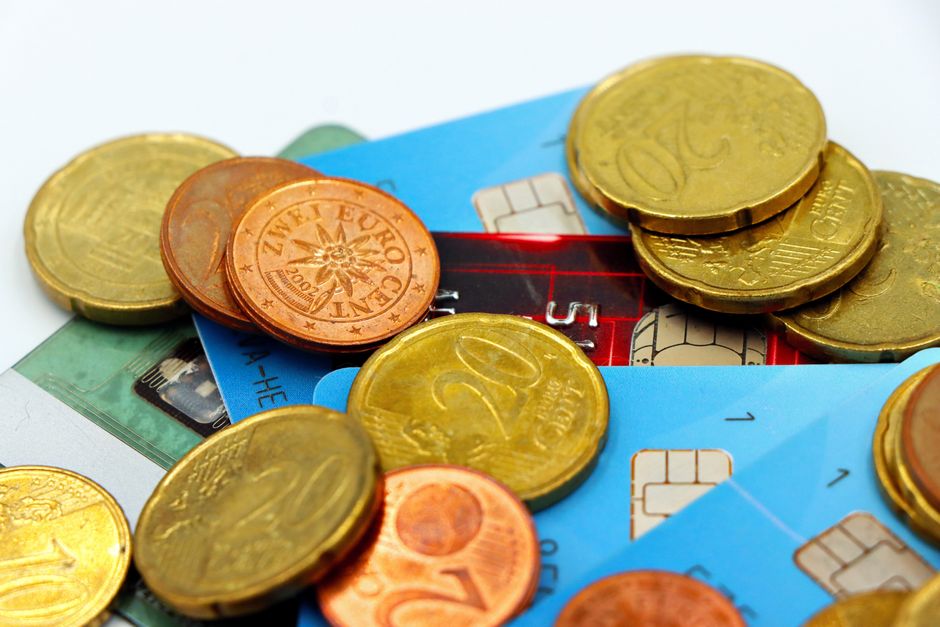
There is no single European tipping percentage, and travellers should stop looking for one. The strongest rule is a three-part check: read the bill, identify the local custom, and reward the service you actually received. That approach keeps a routine café visit from turning into an unnecessary surcharge while still giving generous workers a fair thank-you.
The best default for a multi-country trip
Carry small local notes, learn the words for service included and cover charge, and keep restaurant tips between rounding up and 10% unless the country clearly uses a higher norm. Use 10%–15% in the UK when no service fee appears. Use rounding in France, Italy, Switzerland, and the Nordic countries for ordinary service. In Greece, Portugal, Croatia, Spain, and Central Europe, 5%–10% is the safest range when the bill is clean.
When not to add a tip
Skip the extra tip when the bill already includes a substantial service charge, when you are buying at a counter with no table service, or when a taxi fare is already rounded. Also skip it when a business presents a tip request as though it were compulsory. Voluntary gratitude stops being voluntary when staff pressure you into a preset amount.
For most travellers, the clearest final recommendation is to tip modestly, in the local currency, after checking the bill. Read first, round up where locals do, and use 5%–10% only when the country and the quality of service support it.
