
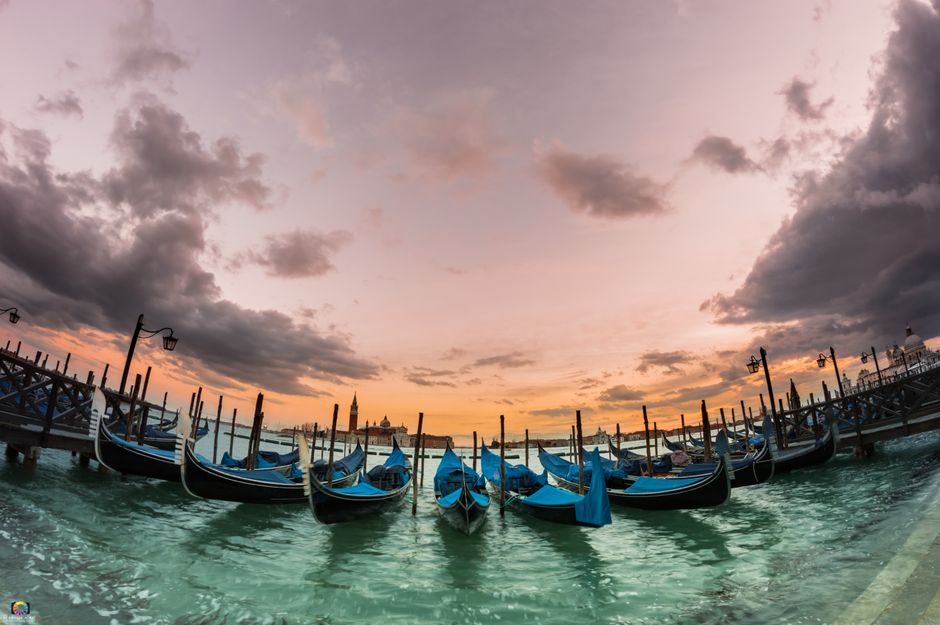
The 2026 Venice Carnival runs for 18 days, from January 31 to February 17. Yet most visitors squeezed into the same three places at the same three times. That is the trick: Venice does not feel equally crowded all day, and the most famous square is rarely the best place to experience the festival.
You can see masks, processions, music, and local life without treating Venice like a theme park. Pick the right hours, spread your route across the sestieri, and stop photographing strangers as if they are paid performers.
Why Venice Carnival crowds form in the first place
The crowd follows a clock, not a map
Venice Carnival crowds build around scheduled spectacles. The opening weekend, major water parades, costume contests, and final-day events pull visitors toward the Grand Canal and Piazza San Marco. The streets can feel manageable at 8 a.m. and completely jammed by 11 a.m.
The biggest mistake is planning a full day around one headline event. Arrive early, watch the first part, then leave before the exit rush. If you stay until the final bow, thousands of people may leave through the same narrow streets at once.
San Marco is a bottleneck
Piazza San Marco is the visual heart of Carnival, but it is also a poor base for escaping crowds. The square has limited entrances, long sight lines that encourage people to stop, and bridges that compress foot traffic. A group standing still for photographs can block an entire walkway.
The crowd follows the clock: expect the heaviest pressure from late morning through late afternoon, especially on Saturdays and Sundays. Visit San Marco before 9:30 a.m. or after the evening programme, then spend the middle of the day in Cannaregio, Castello, Dorsoduro, or Giudecca.
Which Venice Carnival days are quietest?
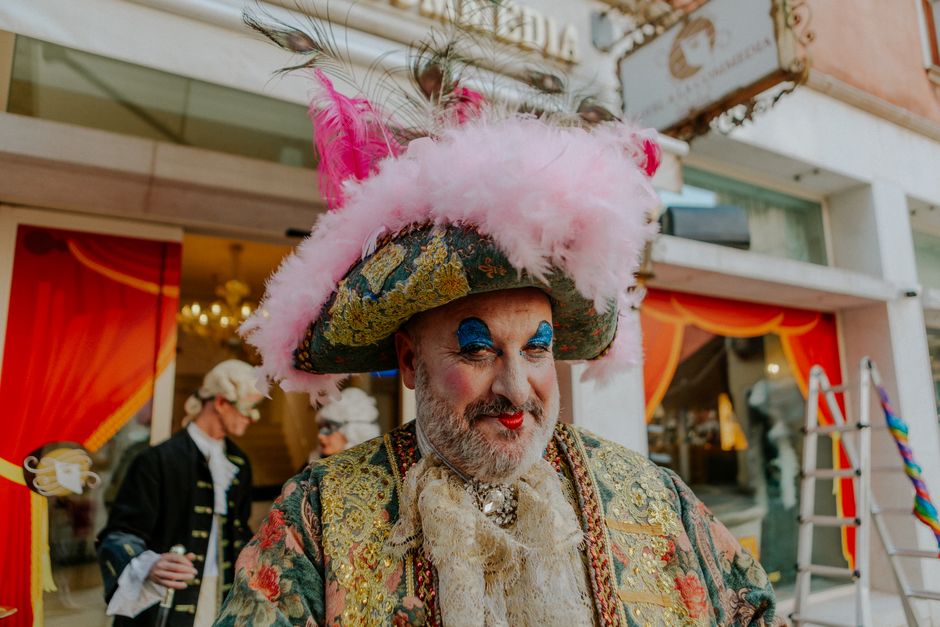
For crowd-averse visitors, a weekday in the middle of the festival is the clear winner. The official programme spreads events across Venice, Mestre, and the islands, so the city does not have only one useful stage. Check the official Carnival programme before fixing your route, because event locations change by year.
| 2026 period | Crowd level | Best approach |
|---|---|---|
| January 31 to February 1 | Very high | Skip the centre or arrive before 8:30 a.m. |
| February 2 to 6 | Low to moderate | Best window for quiet streets and small events |
| February 7 to 8 | High | Choose one event, then move to Cannaregio |
| February 9 to 13 | Low to moderate | Strong choice for photographers and families |
| February 14 to 17 | Very high | Book early and avoid San Marco at peak hours |
The winning window
Choose Tuesday through Friday, arrive before breakfast, and keep your main sightseeing between 8 a.m. and 11 a.m. The city is quieter, shopkeepers have more time, and bridges are easier to cross with luggage or a child.
The dates to dodge
Opening weekend and the final weekend create the most pressure. They are also the worst dates for spontaneous accommodation, restaurant tables, and waterbus seats. If those are your only dates, reserve early and build an escape route before leaving your hotel.
How to move through Venice without blocking locals
Use a simple transport plan
- Walk the short routes. From San Marco to Rialto, walking is often faster than waiting for a crowded vaporetto. Use side streets instead of following the largest group.
- Buy the correct ACTV ticket before boarding. The official 75-minute waterborne Rete Unica fare is €9.50. A daily best-fare option reaches €25 after enough journeys, so compare the total before buying separate tickets.
- Use the AVM Venezia Official App only if your phone is dependable. Tickets bought in the app stay on that smartphone. A dead battery, lost phone, or deleted app can turn a simple ride into an expensive problem.
- Tap correctly. Contactless users must tap in and follow the current validation rules. Keep the same card or device available during inspection.
- Take the regional train when it makes sense. Trenitalia trains connect Venezia Mestre with Santa Lucia in roughly 10 minutes. That can be easier than joining a long road transfer queue during a busy weekend.
Do not turn bridges into photo stops
Stand to the side before checking a map. Keep backpacks off your back when a bridge is packed. Let residents pass, leave room for people carrying groceries, and never sit on steps near a landing. Venice has very little spare pavement, so small acts of care make a visible difference.
The best transport choice is the one that spreads your day across the city. For most visitors, that means walking in the centre early, using ACTV for one planned crossing, and taking a quiet district route back.
What to wear and how to photograph people respectfully
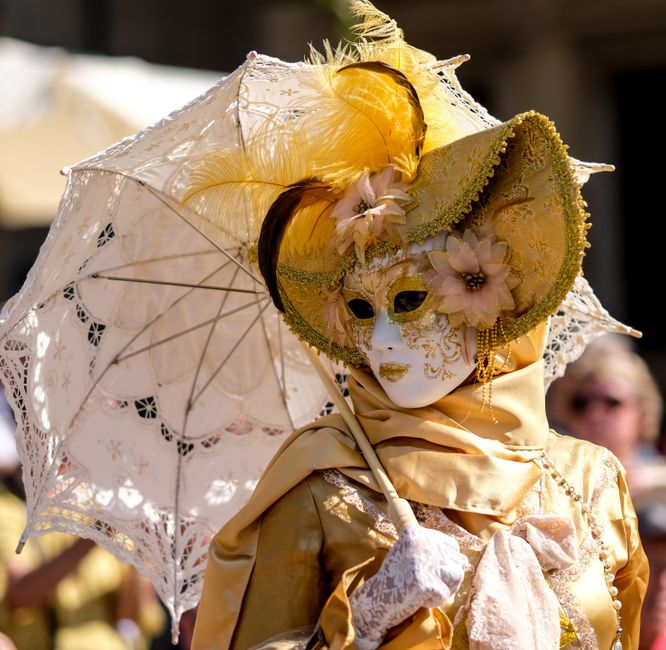
My recommendation is simple: wear a mask for the experience, not as permission to invade someone else’s space. A well-made Venetian mask can add fun to the day, but no costume makes a stranger public property. Ask before taking a close portrait, accept “no” immediately, and do not touch feathers, fabric, or elaborate headpieces.
Choose comfort over costume theatre
Venice in Carnival season can be cold, damp, and windy. Wear waterproof shoes with a firm sole, a warm base layer, and a coat that still fits over a mask or hat. Long capes drag across wet bridges and catch on crowds. High heels are a bad idea on slippery stone and uneven steps.
If you want a traditional mask, buy from a workshop that explains how it was made rather than grabbing the cheapest plastic face from a street stall. Ca’ Macana is one recognised Venetian mask workshop, but the respectful choice is to compare craftsmanship, materials, and price without pretending every souvenir represents local heritage.
Ask before taking the shot
Use a short question: “May I take one photo?” Show the person the result and offer to delete it if they dislike it. Do not photograph children without a parent’s clear permission. Avoid flash inside churches and museums, and never step into a procession to get a better angle.
The strongest Carnival photographs usually come from distance: a full figure crossing a campo, a reflection in canal water, or a row of masks seen from behind. You get the atmosphere without turning a resident or performer into a prop.
Where to go when St Mark’s Square is packed
Is Cannaregio the best escape?
Yes. Cannaregio is the best all-round retreat for visitors who want food, local streets, and a slower pace without leaving central Venice. Walk toward Fondamenta della Misericordia or the northern side of the district after the morning crowds reach San Marco. Expect more space, independent bacari, and a better chance of finding a table.
Should I choose Castello instead?
Choose Castello if you want open space and a longer walk. The area east of San Marco feels less compressed, especially around the residential streets near the Arsenale and Sant’Elena. It is the better pick for visitors who dislike tight lanes and constant photo stops.
When is Giudecca worth the crossing?
Giudecca wins for sunset views and a hard reset from the centre. It will not put you beside the main Carnival stage, which is exactly the point. Take the waterbus across, walk the waterfront, and return after the San Marco rush has thinned. Dorsoduro is the best compromise if you want galleries, cafés, and easy access without standing inside the main bottleneck.
Which Venice Carnival mistakes waste money and goodwill?

Do not pay for a crowded version of Venice when a quieter version is available five minutes away. The most common failures are predictable, and each one can be fixed before you arrive.
Mistake one: treating the headline event as the whole festival
Visitors often buy an expensive dinner or costume package near San Marco, then discover that the street atmosphere outside is the real attraction. A paid event can be worthwhile for a specific reason, but it is not the only way to experience Carnival. Check the free programme first. If the event promises a view, ask exactly where that view is, how long you can stay, and what the cancellation rules say.
Mistake two: buying transit passes without doing the maths
A multi-day ACTV pass is not automatically cheaper. A visitor who walks most of the day may spend less with one or two 75-minute tickets. A visitor crossing to Giudecca, Murano, or Lido several times may benefit from a daily or multi-day option. Count planned journeys before buying, and remember that airport services may use different fares.
Mistake three: arriving with no exit plan
When a square closes for a procession, phone maps may send everyone down the same bridge. Save two alternative routes through nearby campos. Carry a small battery pack, water, and a printed hotel address. Keep a meeting point outside the main square in case your group separates.
Mistake four: confusing enthusiasm with permission
Do not step into a procession, block a doorway, feed pigeons, sit on bridge steps, or touch a costume. Venice is a living city during Carnival, not a film set. The most respectful visitor is also the one who sees more: less time stuck in a bottleneck, fewer arguments with residents, and more freedom to follow an interesting side street.
The single most important rule is to visit Venice Carnival early, spread your route beyond San Marco, and treat every person in costume as a person first.
