
You check Dublin hotel prices for August and see €280 a night for something basic. Then you check January and the same room is €110. Your first thought: what’s wrong with it? The answer is usually nothing. Ireland in January is cold, dark, and wet — and that’s exactly why the hotel industry slashes prices. The real question isn’t whether deals exist. It’s which ones are actually worth taking.
What a €120 Room in Dublin Actually Gets You in January
I pulled rates from Booking.com and direct hotel sites for a midweek stay in January 2026. The pattern is consistent across Dublin, Galway, Cork, and Killarney. Here’s what the price tiers look like right now:
| Price Tier | What You Get | Example Properties |
|---|---|---|
| €90–€120/night | 3-star, city center, walking distance to main sights, no breakfast | Jurys Inn Parnell Street, Premier Inn Dublin City Centre |
| €130–€180/night | 4-star, better location, breakfast included, nicer bedding | Clayton Hotel Cardiff Lane, The Gibson Hotel |
| €200–€300/night | Luxury 5-star, historic property, full service | The Shelbourne Dublin, The Merrion Hotel |
The Shelbourne, a 5-star landmark on St. Stephen’s Green, runs €220–€260 in January versus €450+ in June. That’s a 50% price drop for the same room. The Merrion, another top-tier property, shows similar patterns. If you’ve ever wanted to stay at a genuinely famous Irish hotel without spending a fortune, January is the window.
But there’s a catch. Many 3-star properties in Dublin close for renovation or reduce staffing in January. The Jurys Inn on Parnell Street usually stays open, but double-check recent reviews before booking. Some hotels use the off-season to fix heating systems or renovate floors — and you don’t want to be the guest hearing drills at 8am.
Why January Specifically? The Economics Behind the Drop
Ireland’s tourism has a violent seasonal swing. The peak months — June through September — account for roughly 65% of annual hotel revenue. January sits at the absolute bottom. Demand collapses after New Year’s Eve. Business travel hasn’t ramped back up yet. Weather is at its worst: average Dublin temperatures hover around 5°C (41°F) with 18–20 rainy days in the month.
Hotel operators know this. The Dalata Hotel Group, Ireland’s largest hotel operator, reports occupancy rates in the 50–60% range for January versus 85–90% in July. Empty rooms lose money. So they discount aggressively to fill what they can.
This creates a specific opportunity: luxury properties discount harder than budget ones. A €90 budget room might drop to €75 — a 17% cut. But a €450 five-star room drops to €220 — a 51% cut. The more expensive the hotel, the bigger the absolute savings in January. If you’re going to book a January trip, this is the time to upgrade your usual tier.
Which Cities Discount Deepest
Dublin gets the most attention, but it’s not always the best deal. Galway and Killarney — heavily dependent on summer tourism — often see steeper percentage drops.
- Dublin: 40–50% below summer rates. Still expensive in absolute terms because demand never fully disappears. Business travelers keep a floor under prices.
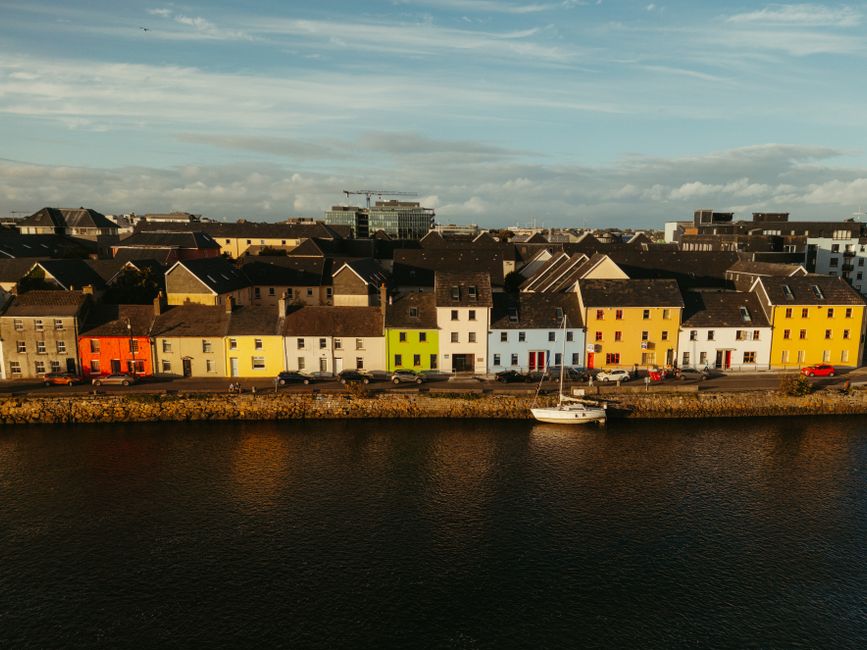
- Galway: 50–60% below summer. The city empties out in January. Hotels like The Hardiman (formerly the Meyrick) drop from €250+ to €120–€140.
- Killarney: 55–65% below summer. The entire town runs on tourism. In January, the Killarney Park Hotel drops from €350+ to €160–€180. The Europe Hotel & Resort, a luxury lakeside property, runs winter packages under €200.
- Cork: 35–45% below summer. More of a business city, so discounts are shallower but still significant.
My pick for January 2026: Killarney. You get the deepest discounts, the scenery (lakes, mountains, Killarney National Park) is still accessible if you dress properly, and the town’s pubs stay lively with locals rather than tourists. The downside: some restaurants and attractions close for the month. Check opening hours before you commit.
When to Book and What to Avoid
Here’s the thing about January deals: they don’t require last-minute booking. Unlike summer, where waiting can sometimes score a cancellation discount, January prices are already at the floor. Book 4–6 weeks out for the best selection. Waiting until the last week doesn’t save much more — and you risk the better rooms selling out.
What to avoid:
- Non-refundable rates without checking cancellation policy. January weather in Ireland can disrupt flights. Pay the extra €10–€15 for a flexible rate if you’re flying in.
- Hotels under renovation. January is prime renovation season. Search recent reviews for mentions of construction, scaffolding, or closed facilities. A “great deal” on a hotel with a closed restaurant and no hot water isn’t a deal.
- Assuming breakfast is included. Many January rates strip out breakfast to hit a lower headline price. Check. A €12–€18 per person breakfast adds up fast.
- Booking a rural B&B without calling ahead. Many family-run B&Bs in places like Dingle or Connemara close entirely in January. A booking site might show availability that’s actually stale. Call or email directly.
What You Give Up by Going in January
Let me be blunt: January in Ireland is not for everyone. If you’re dreaming of green rolling hills under blue skies, driving the Ring of Kerry with the top down, or hiking in the Wicklow Mountains in a t-shirt — January will disappoint. The days are short. Sunrise around 8:30am, sunset before 5pm. That’s roughly 8 hours of daylight, often gray and drizzly.
Outdoor attractions operate on reduced schedules. The Cliffs of Moher visitor center stays open year-round, but boat tours from Doolin stop for the season. Many castles and heritage sites close on weekdays or open only for limited hours. The Aran Islands ferries run, but on a reduced winter timetable — and rough seas can cancel crossings with little notice.
What you gain: empty museums, pub fires, lower prices everywhere, and a version of Ireland that feels more real and less performative. If that tradeoff works for you, January is genuinely great. If you need the full Irish summer experience, save your money and go in June — just expect to pay double.
The Verdict: Book the 5-Star, Skip the 3-Star
Here’s my compressed recommendation for January 2026 in Ireland: book a 4- or 5-star property you couldn’t normally afford, in Killarney or Galway, with a flexible rate, and plan your trip around indoor experiences and short daylight outings.
Why not the 3-star? Because the discount isn’t deep enough to justify what you lose. A €75 budget room in January is still a budget room — and you’re dealing with January weather on top of it. The upgrade math works better at the top end. Spending €160 on a Killarney Park Hotel room that costs €350 in summer feels like winning. Spending €75 on a Premier Inn that costs €90 in summer feels like a small consolation prize for bad weather.
One more thing: check the hotel’s heating situation before booking. Irish hotels, especially older ones, have wildly inconsistent heating. A cold room in January ruins the trip. Recent reviews will tell you what you need to know. Look for phrases like “warm room,” “cold at night,” or “heating didn’t work.”
The single most important takeaway: January in Ireland is a luxury-hotel discount season, not a budget-hotel discount season — spend the same money you’d spend on a summer 3-star and get a winter 5-star instead.
