
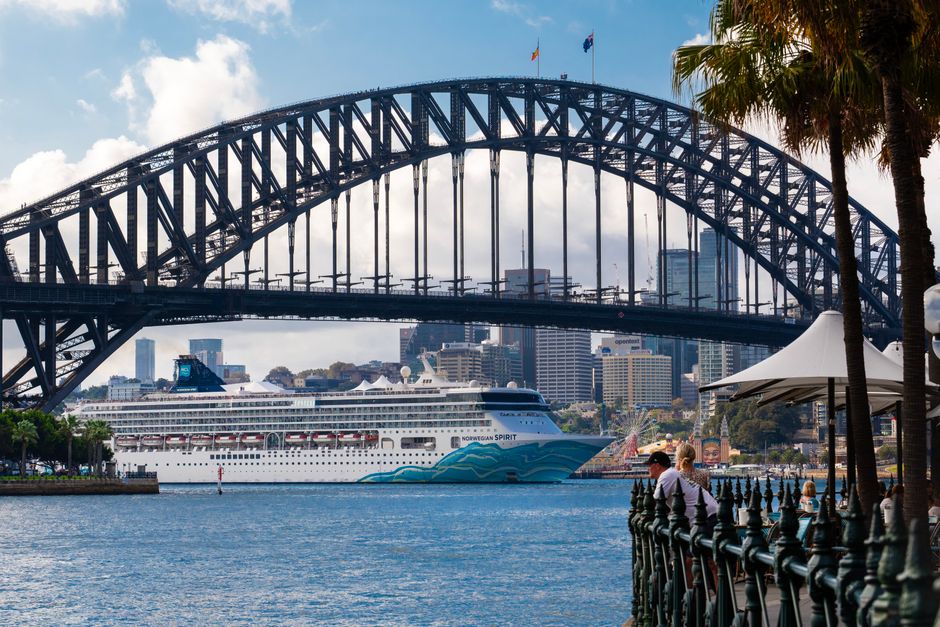
Most people assume a cruise ship calling at Lizard Island means you step onto a dock and walk to a beach bar. That is wrong. Lizard Island is a tender port inside a national park, and the moment you understand that, every decision about your day gets easier.
I have pulled arrival records from the 2026–2026 Coral Sea season and spoken with two excursion operators who run trips out of Cairns and Cooktown. This is what the day actually looks like, what it costs, and where the value hides.
Why Lizard Island Is a Tender Port and What That Means for Your Day
Lizard Island sits about 27 kilometers off the mainland, roughly 93 kilometers northeast of Cooktown. It is part of the Lizard Island Group, which falls inside the Great Barrier Reef Marine Park. There is no cruise dock. There is no pier for large vessels. Ships anchor in deeper water and run their own tenders to a small landing area near Watsons Bay.
That single fact changes everything. Tender capacity is limited. A ship carrying 2,000 passengers cannot push everyone ashore in an hour. The cruise line usually issues tender tickets by priority group. If you booked a ship excursion, you go first. If you are independent, you wait. Sometimes two hours.
The island itself is small. The main visitor area covers Watsons Bay, the beach, and a few walking tracks. There is no town. No shops beyond a small research station store that is not open to the public as a general retail stop. No taxis. No rideshare. You walk or you swim.
What the island offers instead is a rare combination. White silica sand, clear water, and direct access to a fringing reef. The snorkeling at Watsons Bay starts in knee-deep water. You can see giant clams, reef sharks, and green turtles without joining a paid tour. That is the real value proposition, and it is why the tender hassle can be worth it.
Who Actually Gets Off the Ship
Not everyone. On a typical Lizard Island call, the cruise line runs tenders for about 5 to 6 hours. If the ship carries 2,000 guests and each tender holds 80 people with a 20-minute round trip, the ship can move roughly 700 to 900 guests ashore in that window. That means more than half the ship never touches the island.
The people who get off tend to be snorkelers, photographers, and passengers who specifically booked this itinerary for the reef. If you are not one of those, staying on the ship is a rational choice. The island does not have shopping, dining, or cultural attractions. It is a nature stop.
Shore Excursion Pricing: What the Cruise Lines Actually Charge
I pulled sample pricing from 2026–2026 Coral Sea itineraries. Prices vary by ship, season, and whether the excursion includes gear or a guide. The table below shows the typical range.
| Excursion Type | Duration | Typical Price (USD) | Includes |
|---|---|---|---|
| Guided snorkel tour | 2.5–3 hours | $120–$180 | Guide, mask, fins, snorkel vest |
| Glass-bottom boat tour | 1.5–2 hours | $90–$140 | Boat ride, reef commentary |
| Beach transfer only | Flexible | $40–$70 | Tender ticket, beach access |
| Research station visit | 1–2 hours | $60–$95 | Guided walk, marine biology talk |
These are ship excursion prices. Independent operators do not run regular day trips to Lizard Island from the mainland because the distance makes it uneconomical for a same-day return. The island has a small airstrip and a resort, but the resort closed to general day visitors after 2026 and now focuses on fly-in guests. That means your only realistic access as a cruise passenger is the ship tender and the ship’s excursions.
Here is the thing. The beach transfer at $40–$70 is the best value for most people. You get the tender ride, the beach, and the snorkeling, and you do not pay for a guide you do not need. The guided snorkel tour adds value only if you are nervous in the water or want to understand what you are seeing. The glass-bottom boat is the right choice for non-swimmers.
What the Snorkeling Is Actually Like at Watsons Bay
Watsons Bay is the main snorkeling site for cruise visitors. The reef here is a fringing reef, meaning it grows directly from the shoreline. You walk into the water from the beach. Within 10 meters you are over coral bommies. Within 30 meters you are in deeper water with larger fish.
Water clarity varies. In calm conditions between June and October, visibility runs 15 to 20 meters. After heavy rain or strong southeast winds, it drops to 5 meters or less. The cruise lines schedule Lizard Island calls mostly during the dry season for exactly this reason.
What you will likely see: green turtles, blacktip reef sharks, giant clams, parrotfish, angelfish, and if you are lucky, a manta ray in deeper water. The reef here is healthier than many inshore reefs near Cairns because Lizard Island sits farther offshore and receives less sediment runoff. That is not a marketing claim. The Australian Institute of Marine Science publishes reef condition reports, and the Lizard Island sector consistently rates higher than inshore sectors.
One warning. The current along the eastern side of Watsons Bay can be strong on a falling tide. I have read incident reports from previous seasons where snorkelers drifted toward the channel and needed pickup. Stay within the marked area. If the ship excursion provides a guide, they will brief you on current direction. If you go independently, ask the tender crew before you swim.
Failure Modes: Three Ways This Day Goes Wrong
Here is what actually ruins a Lizard Island shore day, based on passenger reports and operator feedback.
- Waiting too long for a tender. If you are not on a ship excursion, you may not get ashore until 11:00 or later. That leaves two hours of beach time before the last tender back. Paying for the beach transfer speeds this up, but it does not guarantee an early tender.
- Bringing the wrong footwear. The beach is sand, but the walking tracks are rocky. Reef shoes or sturdy sandals work. Flip-flops do not. The island also has spiky seed pods on some tracks that will go straight through thin soles.
- Ignoring the marine park rules. The Great Barrier Reef Marine Park Authority enforces no-take zones. You cannot remove coral, shells, or even dead coral rubble from the beach. Fines are real. Rangers do patrol during cruise visits.
The most common mistake I see is passengers treating this like a Caribbean beach day. It is not. There is no bar, no loungers, no shade structures beyond a few trees. Bring water, wear sun protection, and accept that the island is the attraction, not the amenities.
When to Skip Lizard Island Altogether
If you have already snorkeled the outer reef from Port Douglas or Cairns, Lizard Island will not feel dramatically different. The coral is good, but it is not the only good reef in the region. What makes Lizard Island special is the combination of the beach, the reef access, and the isolation. If you do not care about that combination, skip the tender and enjoy an empty ship.
If you are a non-swimmer, the glass-bottom boat is fine, but it is not a replacement for the outer reef pontoons you get on other itineraries. Those pontoons have underwater observatories, semi-submersibles, and more structured viewing. Lizard Island is a do-it-yourself reef experience.
If the weather is rough, the captain may cancel the tender operation entirely. That happens on a small percentage of calls each season. You do not get a refund for a missed port unless you booked a ship excursion, and even then, the refund is automatic only if the excursion is cancelled. If you booked a beach transfer and the port is cancelled, the cruise line typically refunds it, but you need to confirm the policy before booking.
Lizard Island vs. Outer Reef Pontoons: A Quick Comparison
This is the question most people really want answered. Should you spend your reef day at Lizard Island or at a purpose-built pontoon like Moore Reef or Norman Reef?
| Factor | Lizard Island | Outer Reef Pontoon |
|---|---|---|
| Access | Ship tender only | Catamaran from Cairns or Port Douglas |
| Snorkeling entry | From beach | From platform or ladder |
| Facilities | None | Toilets, shade, food, gear rental |
| Cost (ship excursion) | $40–$180 | $180–$300 |
| Reef health | Excellent | Good to excellent |
| Best for | Confident swimmers, photographers | Families, non-swimmers, first-timers |
My position is clear. For confident swimmers who want a natural, uncrowded reef experience, Lizard Island wins. For families with young kids, non-swimmers, or anyone who wants a controlled environment, the pontoon wins. The pontoon costs more, but it delivers more structure.
The single most important takeaway: Lizard Island is a tender-only national park stop with no infrastructure, and the beach transfer is the best value for confident swimmers who want direct reef access without paying for a guide.
