

I’ve helped three friends through this process in the last year alone. The Schengen visa application from the US looks intimidating on paper, but once you understand the rules, it’s mostly about paperwork and timing. Here’s exactly what I’ve learned from doing this multiple times.
Do You Actually Need a Schengen Visa?
This is the first question most people get wrong. If you hold a US passport, you can visit the Schengen Area for up to 90 days within any 180-day period without a visa. But if you’re a non-US citizen living in the US on a work visa, student visa, or green card, you almost certainly need one.
I’ve seen people assume their US visa covers them. It doesn’t. The Schengen visa is separate, and US residency does not grant visa-free access to Europe.
Who Must Apply from the US
- Non-US citizens with a valid US visa or green card
- Holders of US student visas (F-1, J-1) planning a trip to Europe
- Anyone whose passport does not grant visa-free access to the Schengen Area
Check your passport’s visa-free status before booking anything. The official EU list is updated regularly.
Which Country Should You Apply Through?

This is where most applications get rejected. The rule is simple: apply at the embassy or consulate of the country where you will spend the most days. If you’re spending equal time in multiple countries, apply at the one you enter first.
I’ve seen people apply at the French consulate because they wanted to visit Paris, but their actual itinerary had them in Italy for 8 days and France for 4. That application got denied. The consulates check this.
What If Your Main Destination Isn’t Clear?
If you’re doing a multi-country trip and can’t decide, pick the country where you have the most confirmed accommodation. Book refundable hotels if you need to adjust later. I always use Booking.com’s free cancellation options for this purpose.
Required Documents for 2026
The document list hasn’t changed much, but the requirements are stricter now. Here’s what you need:
| Document | Requirement |
|---|---|
| Valid passport | Must be valid for at least 3 months beyond your planned departure from Schengen. Two blank pages. |
| Visa application form | Completed and signed. Download from the consulate’s website. |
| Passport photos | Two recent photos, 35x45mm, white background. Professional photo booths at CVS or Walgreens work. |
| Proof of US residency | Valid US visa or green card copy. Also your I-94 if on a visa. |
| Travel itinerary | Round-trip flight bookings. Not tickets, just reservations. I use Expedia’s hold option. |
| Accommodation proof | Hotel bookings for every night of your stay. Refundable is fine. |
| Travel insurance | Minimum €30,000 coverage for medical emergencies. I use AXA Schengen insurance ($25 for 15 days). |
| Proof of funds | Bank statements from the last 3 months. Show at least $70 per day of your trip. |
| Employment letter | From your US employer stating your position, salary, and approved leave dates. |
Missing even one document can delay your application by weeks. I keep a checklist on my phone and tick each item off before the appointment.
The Appointment Process: What Actually Happens
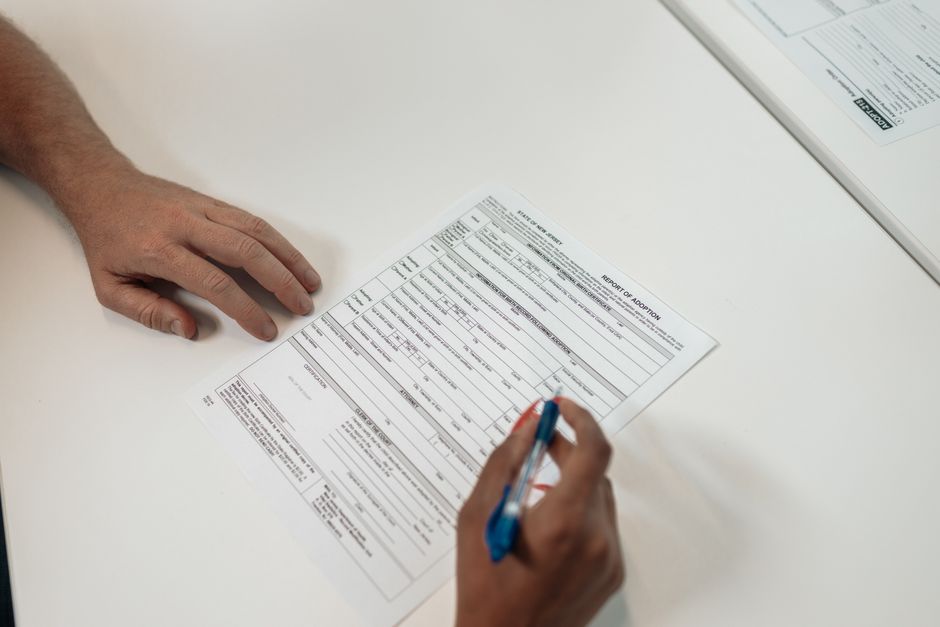
Appointments are booked through the consulate’s online system or through a third-party visa center like VFS Global or TLScontact. Slots fill up fast, especially in spring and summer. I book mine 3-4 months in advance.
On the day, you’ll submit your documents, get your fingerprints taken (if it’s your first Schengen visa in 5 years), and pay the fee. The standard fee is €80 (about $87), but some nationalities pay less. US citizens don’t pay this fee, but non-US applicants do.
Processing time is typically 15 calendar days, but I’ve seen it take 30 days during peak season. Don’t book non-refundable flights until you have the visa in hand.
What Happens After Submission
You’ll get a tracking number. Some consulates send your passport back by mail, others require in-person pickup. Check the consulate’s policy before you leave.
Common Rejection Reasons and How to Avoid Them
I’ve read dozens of rejection letters. Here are the top reasons:
- Insufficient proof of funds — Your bank statement shows $500 for a 10-day trip. That’s $50/day, below the minimum. Show at least $700 total.
- Weak ties to the US — If you’re on a student visa with no job or family in the US, the consulate worries you won’t return. Include your enrollment letter and lease agreement.
- Inconsistent itinerary — Your flight arrives in Paris but all your hotel bookings are in Germany. The consulate flags this immediately.
- Travel insurance that doesn’t meet requirements — Some cheap policies don’t cover €30,000. Check the fine print.
One friend got rejected because his employment letter was dated 3 months before his application. The consulate wanted something more recent. Get your letter within 30 days of your appointment.
When NOT to Apply from the US

If you’re planning a trip to just one Schengen country and staying there the entire time, you might be better off applying at that country’s embassy in your home country. Some US-based consulates have longer wait times than those in your home country.
Also, if you hold a passport from a visa-exempt country (like Japan, South Korea, or Singapore), you don’t need a visa at all. Don’t waste your money.
For travelers who only need to transit through a Schengen airport without leaving the transit area, you may not need a visa either. Check the airport transit visa rules for your nationality.
What a Schengen Visa Actually Gets You
Once approved, you’ll get a sticker in your passport. It shows the validity dates (usually 90 days), the number of entries (single, double, or multiple), and the duration of stay (up to 90 days).
Multiple-entry visas are common if you have a travel history. I’ve received a 1-year multiple-entry visa on my second application. My friend with a clean travel record got a 3-year one.
The visa allows you to travel freely within all 27 Schengen countries. You can fly from Paris to Rome to Barcelona without any border checks. Just keep your passport with you at all times.
