
The best time to visit Queenstown depends on one thing: what you actually want to do there. Skiers should book July or August. Hikers and photographers want February or March. Budget travelers should look at May or September. The mistake most people make is booking flights first, then realizing their activities are out of season. Pick your activity first. Then pick your month.
Queenstown runs on two main seasons: winter (June to September) and summer (December to February). The shoulder months — April, May, October, November — offer lower prices and fewer crowds, but some activities shut down entirely. Here’s the honest breakdown.
Month-by-Month Weather and Crowd Reality
Queenstown sits at 310 meters above sea level on Lake Wakatipu, surrounded by the Southern Alps. The weather changes fast. You can get sun, rain, and wind in the same afternoon. Average summer highs reach 22°C (72°F). Winter daytime highs hover around 8°C (46°F), with nights dropping below freezing.
| Month | Avg High | Avg Low | Crowd Level | Best For |
|---|---|---|---|---|
| January | 22°C / 72°F | 11°C / 52°F | Peak | Hiking, lake activities, long daylight |
| February | 22°C / 72°F | 11°C / 52°F | High | Best all-around summer month |
| March | 19°C / 66°F | 9°C / 48°F | Moderate | Hiking, fewer crowds, stable weather |
| April | 15°C / 59°F | 6°C / 43°F | Low | Autumn colors, lower prices |
| May | 11°C / 52°F | 3°C / 37°F | Lowest | Budget travel, quiet town |
| June | 8°C / 46°F | 0°C / 32°F | Moderate | Early ski season |
| July | 8°C / 46°F | -1°C / 30°F | Peak | Best snow, ski holidays |
| August | 9°C / 48°F | 0°C / 32°F | Peak | Skiing, snowboarding |
| September | 12°C / 54°F | 2°C / 36°F | Moderate | Spring skiing, lower prices |
| October | 15°C / 59°F | 5°C / 41°F | Low | Shoulder season deals |
| November | 18°C / 64°F | 7°C / 45°F | Moderate | Spring blooms, pre-summer |
| December | 20°C / 68°F | 10°C / 50°F | Peak | Holiday travel, long days |
Here’s the thing about Queenstown crowds: they’re not evenly spread. July and August school holidays in Australia and New Zealand flood the town. January is packed with international visitors. February is still busy but slightly calmer. March is the sweet spot for summer activities without the chaos.
Winter Ski Season: July and August Are Worth the Cost
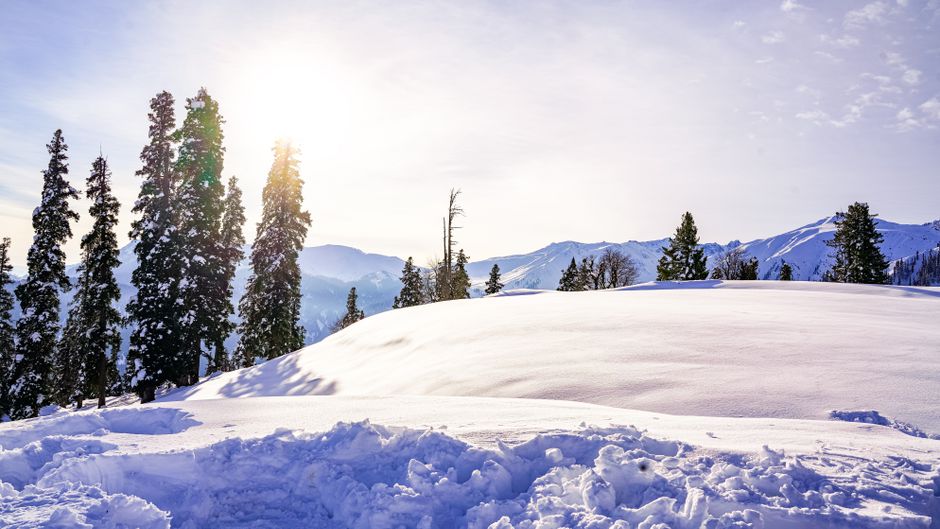
If you’re coming to ski or snowboard, book July or August. No exceptions. The ski fields around Queenstown — Coronet Peak, The Remarkables, and Cardrona Alpine Resort — typically open in June but need consistent snowfall to reach full operation. July and August deliver the most reliable base depths.
Coronet Peak is 25 minutes from town and offers night skiing on Friday and Saturday evenings. The Remarkables is 40 minutes away and has better terrain for intermediate and advanced riders. Cardrona, about an hour from Queenstown, has the best beginner slopes and a huge terrain park. A single-day lift pass at any of these runs between $160 and $180 NZD in 2026.
Book accommodation 4-6 months ahead for July and August. Lakefront hotels like the Novotel Queenstown Lakeside or Hilton Queenstown Resort & Spa fill up fast. Budget options like Jucy Snooze Queenstown also sell out during peak weeks. Expect to pay 40-50% more for lodging in July and August compared to May or September.
Ski Season Failure Mode: Booking Too Early or Too Late
June is risky. Some years the snow arrives late, and you’ll find limited terrain open. September is better for spring skiing — the snow softens by midday, but mornings are still firm. The trade-off: September lift passes often drop to $120-$140 NZD. If you want reliable snow AND lower prices, book the first two weeks of September.
One more thing: if you’re an absolute beginner, skip Queenstown entirely and look at Treble Cone or Cardrona near Wanaka. Better learning terrain, fewer lift lines, and cheaper lessons. Queenstown’s ski fields are busier and more expensive for first-timers.
Summer: February Beats January. Here’s Why.
January gets all the hype, but February is the better month. The weather is nearly identical — warm, dry, long days with daylight until 9:30 PM. The difference is that January carries the post-New Year surge. February sees a noticeable drop in visitor numbers once Australian school holidays end.
Summer is when Queenstown’s adventure tourism peaks. The Shotover Jet boat ride ($159 NZD) runs year-round but is far more pleasant in warm weather. The Nevis Bungy ($275 NZD) and Kawarau Bridge Bungy ($265 NZD) both operate daily. Hiking trails like the Ben Lomond Track and Queenstown Hill Time Walk are fully accessible without snow gear.
Lake Wakatipu activities — kayaking, paddleboarding, swimming — only make sense between December and March. Water temperatures peak at around 15°C (59°F) in February, which is still cold but tolerable for a quick dip. The TSS Earnslaw steamship cruise to Walter Peak High Country Farm costs $145 NZD and runs multiple times daily in summer.
My Pick for Summer
Book the last week of February or first week of March. You get summer weather, long daylight hours, and 20-30% lower accommodation prices than January. The lake is warm enough for water activities, and hiking trails are dry. This is the window I recommend to friends who want the full Queenstown summer experience without peak-season pricing.
Shoulder Seasons: May and September Are the Budget Play
May and September are Queenstown’s quietest months. Hotels drop prices by 30-50%. You can walk into restaurants without reservations. The town feels sleepy in a good way. But there’s a catch: some activities shut down for maintenance or weather.
May is autumn. The trees around Lake Hayes and Arrowtown turn gold and red. It’s genuinely beautiful. Temperatures sit between 3°C and 11°C. You’ll need layers. The Skyline Queenstown gondola ($52 NZD) still runs, and the luge track is open. But the Milford Sound day trips become weather-dependent — heavy rain can close the road from Te Anau.
September is spring. Ski fields are winding down but still open early in the month. Hiking trails at lower elevations start clearing. The Arrowtown Autumn Festival happens in April, not September, so don’t confuse the two. September’s main draw is cheap flights and hotels before the summer rush begins in November.
When to skip the shoulder season: if your itinerary depends on specific guided tours, check operating dates first. Many smaller operators close entirely in May and September. The Routeburn Track guided walks stop running from late April to late October. If hiking is your priority, shoulder season is a gamble.
Milford Sound from Queenstown: Timing Matters More Than You Think
Almost every Queenstown visitor considers a Milford Sound day trip. It’s a 4-hour drive each way, or a 40-minute flight. The experience varies wildly by season.
Summer (December to March) offers the most reliable road conditions and the best visibility for the drive through Fiordland National Park. You’ll see waterfalls, but not as many — summer is relatively dry. Winter (June to August) brings dramatic waterfalls after rain, snow-capped peaks, and far fewer tour buses. But the Milford Road can close due to avalanche risk or ice. You need to book with a flexible operator.
Realistically, the best Milford Sound months from Queenstown are October, November, March, and April. Enough rain to keep waterfalls flowing, mild enough roads, and fewer crowds than peak summer. Tour companies like RealNZ and Southern Discoveries run daily departures year-round, but the experience changes dramatically by season.
If you only have one shot at Milford Sound, book a fly-cruise-fly option with Air Milford or True South Flights. It costs around $550-$650 NZD but saves you 8 hours of driving. Worth it if your Queenstown trip is short.
How to Book Queenstown Accommodation Like a Local
Queenstown’s accommodation market is small and expensive. The town has roughly 4,000 hotel rooms, and they fill up fast during peak periods. Here’s what actually works:
- Book 6 months ahead for July, August, and January. The best lakefront rooms at the Crowne Plaza Queenstown and Sofitel Queenstown Hotel & Spa go first. Budget beds at Adventure Queenstown Hostel and Tahuna Pod Hostel also sell out.
- Use direct booking for smaller lodges. Places like Eichardt’s Private Hotel and The Rees Hotel sometimes offer better rates on their own websites than on Booking.com or Expedia.
- Stay in Frankton or Arrowtown for lower prices. You’ll be 10-15 minutes from central Queenstown but save 20-30% on accommodation. The Holiday Inn Express Queenstown in Frankton is a solid mid-range pick.
- Avoid booking during major events unless you’re attending. The Queenstown Winter Festival (late June) and New Year’s Eve push prices to their absolute peak.
One mistake I see repeatedly: people book a “lake view” room without checking which lake. Queenstown has Lake Wakatipu, but some hotels advertise “lake views” of smaller ponds or Lake Hayes, which is 15 minutes away. Check the map before you pay extra for a view.
Final Verdict: When Should You Actually Go?
For most travelers, late February to mid-March is the answer. You get warm weather, long days, all activities running, and prices 20-30% below January peaks. The lake is swimmable, the hiking trails are dry, and the crowds have thinned out.
If skiing is your only goal, book late July or early August. Pay the premium. The snow is reliable, and all three ski fields are fully operational.
If you’re on a tight budget and flexible with activities, May or September works. Just accept that some tours won’t be running and the weather will be unpredictable. Bring a proper waterproof jacket — the Patagonia Torrentshell 3L ($179 USD) handles Queenstown’s sudden rain better than a cheap poncho.
Queenstown’s appeal isn’t going anywhere. The mountains, the lake, the adventure culture — they’re permanent. What changes is your experience of them. Pick your season based on what you want to do, not on what Instagram shows you. The town looks great in every season, but it feels completely different depending on when you land.
