
You’ve booked your flights to Rio. You’ve got your samba playlist ready. But then you remember: do I need shots for Brazil? And suddenly you’re down a rabbit hole of CDC pages, travel clinic price lists, and conflicting advice from your cousin who went in 2019.
Here’s the short version: Yellow fever vaccine is mandatory if you’re arriving from a country with yellow fever risk — and strongly recommended for most travelers to Brazil. But that’s not the only one. Let’s break down exactly what you need, when to get it, and what it’ll cost you.
Yellow Fever: The One Brazil Actually Requires
Brazil’s health regulator Anvisa requires proof of yellow fever vaccination for travelers arriving from countries with yellow fever transmission (most of South America and Africa). If you’re flying direct from the US or Europe, you won’t be turned away at immigration — but you should still get the shot.
Why? Because yellow fever is a real risk in Brazil. The virus circulates in jungle and forested areas — including popular spots like Iguazu Falls, the Amazon, and parts of Minas Gerais. The CDC recommends the vaccine for all travelers age 9 months and older visiting these areas. Even if you’re only hitting Rio and São Paulo, the risk is lower but not zero.
Cost and Timing
The yellow fever vaccine is a single shot. One dose provides lifelong protection — no booster needed. At a travel clinic in the US, expect to pay $150–$300. At a CVS MinuteClinic, it’s around $200. Some insurance plans cover it as preventive care, so check with your provider.
Get it at least 10 days before travel — that’s how long it takes for your body to build immunity. The International Certificate of Vaccination (the yellow card) is valid from day 10 onward.
Where to Get It
You have three options:
- Travel clinics (e.g., Passport Health, Travel MD) — most expensive but most thorough
- CVS MinuteClinic or Walgreens Healthcare Clinic — cheaper, walk-in appointments available
- Your local health department — often the cheapest ($50–$100) but may have limited hours
Call ahead. Not all locations stock yellow fever vaccine. It’s a live attenuated vaccine, so it requires special handling.
Hepatitis A and Typhoid: The Food-and-Water Pair
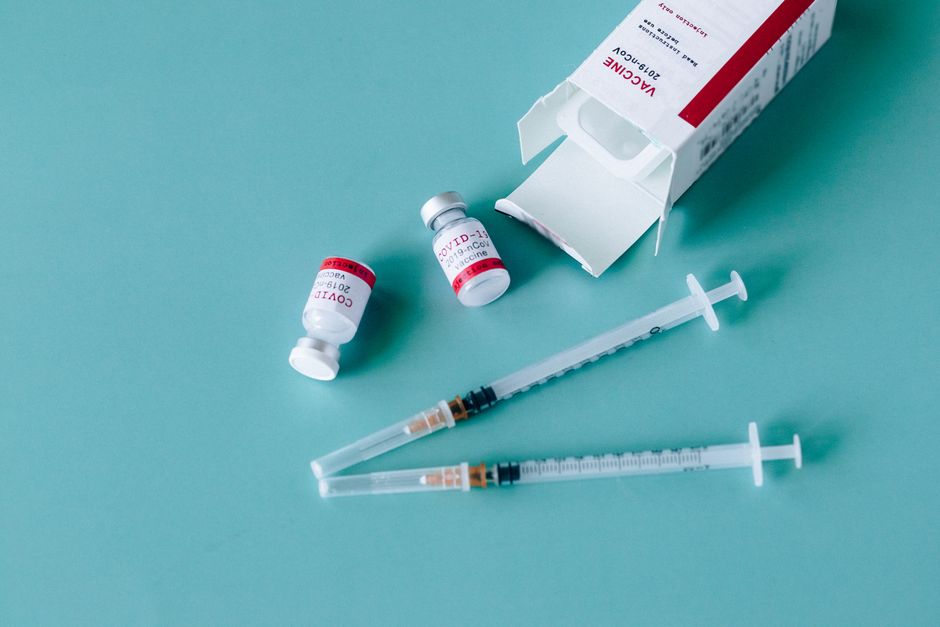
These two vaccines protect you from exactly what you think: contaminated food and water. Brazil’s tap water is generally not safe to drink outside major cities. Even in São Paulo, stick to bottled water.
Hepatitis A is transmitted through fecal-oral contact — think street food washed in contaminated water, or ice cubes in your caipirinha. The vaccine is two shots, six months apart. First shot gives protection within 2–4 weeks. Cost: $100–$150 per shot.
Typhoid comes from the same route. You have two options: an injection (one dose, lasts 2 years) or oral capsules (four capsules over a week, lasts 5 years). The injection costs around $80–$120. The oral version is about $100–$150.
Most travelers should get both. If you’re staying in five-star hotels in Rio and eating only at upscale restaurants, your risk is lower. But if you’re backpacking through Bahia or eating from beach kiosks in Fortaleza, these are non-negotiable.
Hepatitis B, Rabies, and Other Considerations
These are situational. Here’s the breakdown.
Hepatitis B
Transmitted through blood and bodily fluids. The vaccine is three shots over six months. Standard recommendation is for all travelers — but if you’re not planning on getting tattoos, piercings, or medical treatment in Brazil, you can skip it. Cost: $60–$100 per shot. Many people already got this as children — check your records.
Rabies
Rabies is present in Brazilian bats and stray dogs. The pre-exposure vaccine is three shots over 28 days. It doesn’t eliminate the need for post-exposure treatment, but it buys you more time to get to a clinic. Only recommended if you’re:
- Working with animals (vets, researchers)
- Spending a month or more in remote areas
- Planning on caving or camping in the Amazon
Cost: $600–$800 for the full series. It’s expensive. If you’re a standard tourist, skip it — just avoid touching stray animals.
Dengue and Zika
There’s no vaccine for Zika. The Dengvaxia vaccine exists for dengue, but it’s only recommended for people who’ve already had dengue, and it’s not widely available in US travel clinics. For most travelers, the best protection is DEET repellent and mosquito nets.
When NOT to Get Vaccinated (and What to Do Instead)
Vaccines aren’t always the right answer. Here are situations where you should pause.
You’re pregnant or trying to conceive. Yellow fever vaccine is a live virus — generally not recommended during pregnancy. If travel is unavoidable and you’re going to a high-risk area, your doctor may still advise it. For Zika, there’s no vaccine — pregnant women should reconsider non-essential travel to Brazil entirely.
You have a compromised immune system. Live vaccines (yellow fever, oral typhoid, MMR) are contraindicated. You can still get inactivated vaccines like hepatitis A and B. Talk to your specialist.
You’re over 60. Yellow fever vaccine carries a slightly higher risk of serious side effects in adults over 60. The CDC says to weigh the risk of disease vs. vaccine side effects. If you’re only visiting Rio and São Paulo, your doctor may recommend skipping it.
You’re on a short trip to a low-risk area. If you’re spending 5 days in Copacabana and never leaving the hotel zone, your hepatitis A risk is low. Still, most travel doctors recommend it anyway — one bad street food meal can ruin your entire trip.
Your Vaccine Timeline: A Practical Schedule

Here’s a realistic planning table. Work backward from your departure date.
| Timeline | Action | Notes |
|---|---|---|
| 8 weeks before | Schedule travel clinic appointment | Bring your vaccination record. Most clinics need 2–4 weeks lead time for appointments. |
| 6 weeks before | Get hepatitis A shot #1, typhoid shot or start oral capsules | Hepatitis A needs 2 weeks to work. Typhoid oral capsules must be taken every other day for 7 days. |
| 4 weeks before | Get yellow fever vaccine | Must be at least 10 days before travel. If you’re over 60, do this earlier to monitor for side effects. |
| 2 weeks before | Get hepatitis B shot #1 (if needed) | Three-shot series. Shot #2 at 1 month, shot #3 at 6 months. |
| 1 week before | Pick up malaria medication (if needed) | Not a vaccine. Only needed for Amazon and jungle areas. Options: doxycycline ($20/month), atovaquone-proguanil ($80/week), mefloquine ($50/month). |
| Day of travel | Pack your yellow card and a copy of your vaccine record | Keep the yellow card with your passport. Some border crossings may ask to see it. |
Missing a deadline? Get what you can. Even partial protection is better than none. Hepatitis A and typhoid shots work quickly. Yellow fever is the one you absolutely cannot skip if you’re visiting risk areas.
