
Seville in spring can give you orange blossom, late lunches, excellent tapas and one of Europe’s most intense religious festivals in the same trip. It can also give you locked-down streets, sold-out rooms and a ruined dinner plan if you choose the wrong week.
When does Seville’s orange blossom season actually peak?
March gives you the best balance
Orange blossom, or azahar, usually starts perfuming Seville in March and continues into April. The exact peak shifts with the weather, so nobody can promise a perfect flowering week months ahead. March is the smarter choice if the scent matters more to you than festival drama. You get mild walking weather, green parks and a city preparing for Semana Santa rather than hosting its busiest week.
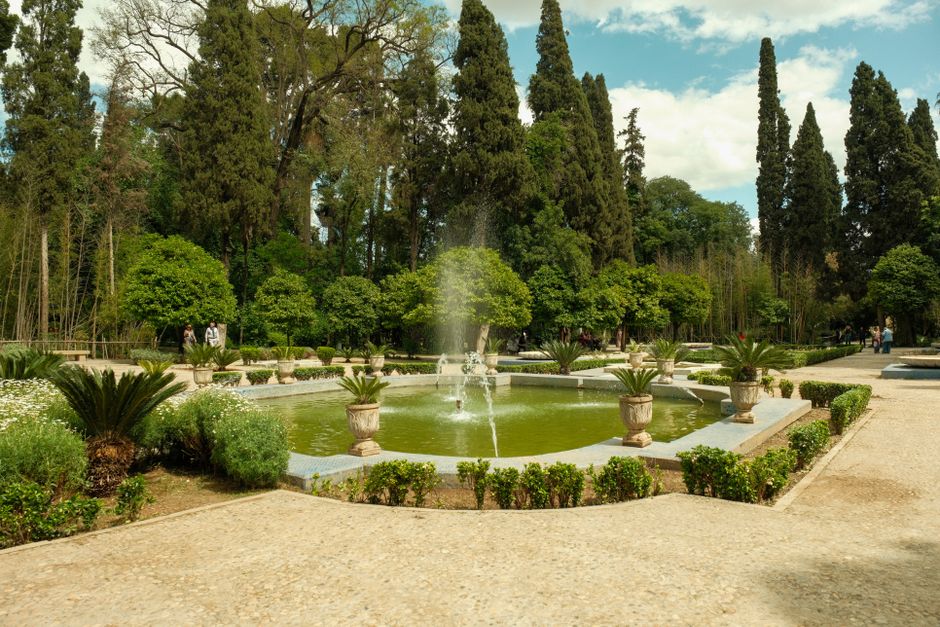
Start around the Cathedral and walk through the narrow streets of Santa Cruz. Then continue towards the Jardines de Murillo, the University of Seville and María Luisa Park. The trees are not decorative props placed for visitors. Bitter orange trees line ordinary streets, courtyards and squares, which is why the scent appears in patches rather than at one single attraction. The official Seville tourism guide explains the city’s orange-tree tradition.
April is warmer, busier and less predictable
April brings longer evenings and a stronger chance of hot afternoons, but it also brings Semana Santa and Feria de Abril. If you want quiet photography, choose the first half of March or the gap between Holy Week and the April Fair. Do not book a spring trip based on the phrase orange blossom season alone. Check the festival calendar first, then check accommodation prices.
How do you walk Seville’s orange-blossom route properly?
Start before the streets heat up
Begin at the Plaza Virgen de los Reyes before 9:00 a.m. The Cathedral and Giralda are nearby, but the real purpose of this early start is the light and the quiet. Walk through Santa Cruz without a rigid checklist. Calle Vida, Plaza de Doña Elvira and the lanes near the Hospital de los Venerables often give you better street views than the obvious postcard corners. Move slowly. Orange blossom is a smell, not a monument, and rushing between attractions defeats the point.
Use three green spaces as anchors
From Santa Cruz, cross towards the Jardines de Murillo. Continue south along the edge of the university and enter María Luisa Park from the Avenida de Isabel la Católica side. The park gives you shade, tiled benches and a break from the stone centre. Finish at Plaza de España, but do not spend the whole morning taking the same photograph from different angles. Allow about two hours for the walking route and another hour for the square, a drink or a slow coffee.
Do not pick the oranges
Seville’s street oranges are bitter varieties, not the sweet fruit sold in markets. They are collected for products such as marmalade and for city maintenance. Pulling one from a tree is a poor souvenir and an even worse snack. Bring water, sunglasses and shoes with solid soles; the old centre has smooth stone, uneven paving and very little patience for flimsy footwear. For the same reason, do not schedule the Alcázar, Cathedral, Plaza de España and a tapas crawl back-to-back. Three major sights plus a long walk is enough for one day.
How do you plan a tapas night before Semana Santa crowds?
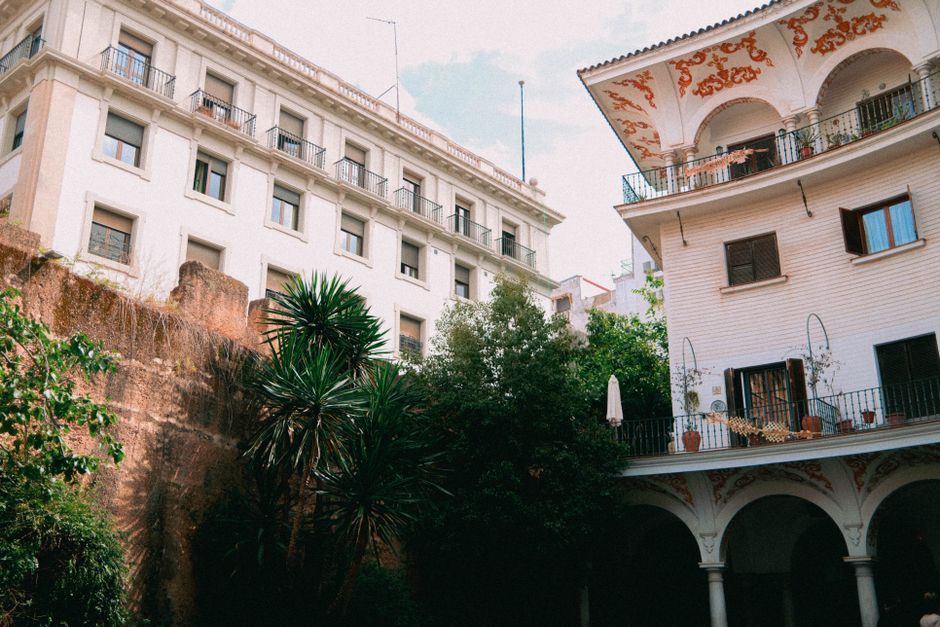
Start early, eat standing, and order fewer dishes than your group wants. That is the winning formula in Seville. A tapas night works because you move between bars, not because you reserve one table for three hours and call it a crawl.
- 17:30: Begin at Bodega Santa Cruz, also called Las Columnas, near the Cathedral. It is compact, loud and built for a quick drink with a small plate. Tapas commonly sit around €3 to €6, but check the board before ordering.
- 18:30: Walk towards Casa Morales, a historic bodega with large wine jars and a more spacious feel. Plan roughly €20 to €30 for two people sharing several tapas and drinks, depending on what you order.
- 20:00: Continue towards El Rinconcillo if you want a traditional stop with a long history. A sensible tapas budget is €15 to €25 per person for a modest evening across several bars.
- 21:30: Stop. If you are still hungry, order one proper plate. Do not keep adding random fried food just because every bar has an empty table.
The mistake is treating famous names as a guarantee of a good night. A full bar can mean fast turnover and fresh food, but it can also mean noise and poor service during a procession. Ask what is being served now, order one portion first and pay as you go. The clear winner for a first route is Bodega Santa Cruz for speed, Casa Morales for atmosphere and El Rinconcillo for history. They are different stops, not interchangeable versions of the same bar.
Should you visit Seville during Semana Santa?
Visit during Semana Santa only if the processions are the main reason you are going. In 2026, Palm Sunday falls on 29 March and the public festival period runs through Easter Sunday on 5 April, with processions crossing the central route from La Campana through Calle Sierpes, Plaza de San Francisco and Avenida de la Constitución towards the Cathedral. That gives you extraordinary street theatre, music, sculpture and local tradition, but it also means the centre stops behaving like a normal tourist city.
You will not casually wander into every church, cross the centre in ten minutes or guarantee a table at your preferred restaurant. Streets close, routes change and crowds gather long before a float arrives. The best approach is to choose one procession or neighbourhood each evening, study the official route, and keep your hotel close enough that you can walk home when a road closes. The Cathedral’s 2026 schedule is useful for checking services, but it is not a substitute for the live city route information.
If you mainly want flowers, monuments and relaxed tapas, stay before Palm Sunday or travel after Easter. If you want the emotional centre of Seville’s calendar, accept the inconvenience and book early. There is no clever compromise that turns Holy Week into a quiet city break.
What is the simplest three-day Seville spring plan?
Day one: monuments and the old centre
Book the Real Alcázar early, then visit the Cathedral and Giralda while your legs are fresh. Walk through Santa Cruz after lunch and use the late afternoon for the Jardines de Murillo. Keep dinner close to your accommodation. The first day should explain the city’s layout, not exhaust you.
Day two: orange blossom and tapas
Walk from the Cathedral to María Luisa Park and Plaza de España in the morning. Rest during the hottest part of the afternoon. Start a short tapas route around 17:30, using Bodega Santa Cruz, Casa Morales or El Rinconcillo as reference points rather than attempting all three in one rush. Leave space for a proper plate and a slow drink.
Day three: choose your version of spring
During Lent, visit a church, listen for a band rehearsal and explore the less crowded streets around San Lorenzo or Macarena. During Semana Santa, choose one procession and protect your route home. After Easter, cross to Triana, walk beside the river and use the evening for a final meal. This plan works because it leaves room for the city’s changing rhythm.
So the answer to the opening problem is simple: do not treat spring Seville as one fixed attraction. Pick your dates around the experience you want, walk the blossom route before the heat, eat tapas in measured stages and treat Semana Santa as a major event rather than background decoration. Arrive with that plan, and the orange trees, late dinners and crowded streets finally fit together instead of fighting for your time.
