
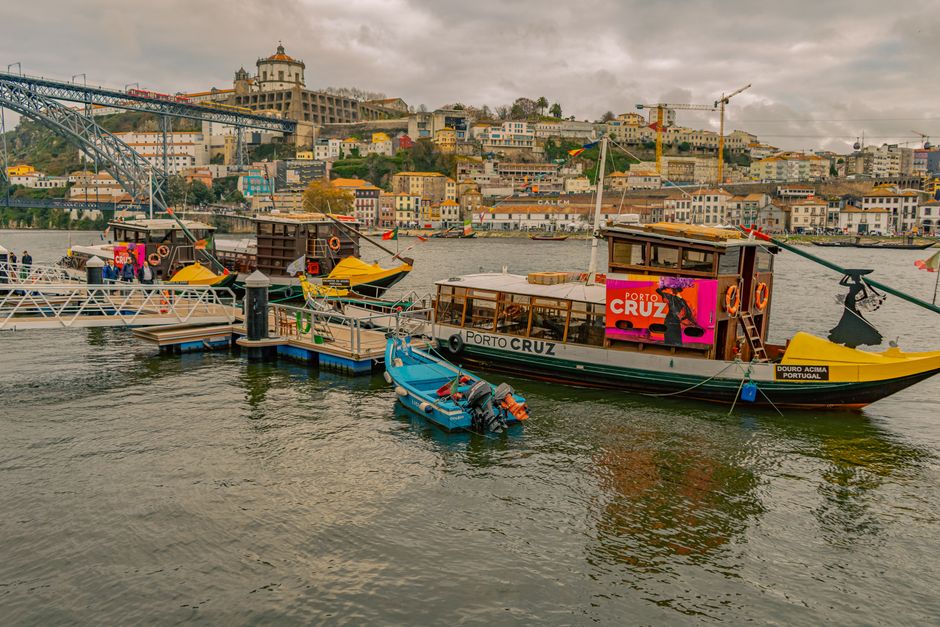
The common misconception is that Porto is a tiny, cheap city you can understand in one lazy afternoon. The historic centre is compact, but the steep streets, Douro crossings and Gaia cellar visits consume real time. A good spring weekend needs a route, a small cash buffer and one clear choice about port wine. Otherwise, you pay for rushed taxis, duplicate tastings and views you could have reached on foot.
What does a Porto spring weekend really cost?
Verdict: Porto can be good value, but only if you budget for paid tastings and stop treating every riverside view as a reason to order another drink. The relevant numbers are ticket fees, not borrowing costs.
A realistic two-person budget
Walking covers the centre, Ribeira and the Dom Luís I Bridge. The main paid choice is a Gaia cellar. São Bento station, the bridge and the streets around Ribeira cost nothing to enter. For 2026, Andante lists occasional Z3 to Z9 fares from €1.85 to €4.65, and ten identical occasional journeys earn one free journey. Check the zone before buying at the airport.
| Expense | Working figure for two | What it covers |
|---|---|---|
| Local transport | €10–€25 | Metro, bus or tram journeys, depending on zones and walking |
| Porto Sandeman Visit | €46 | Two adults, 50 minutes and three Port wines each |
| Sandeman 1790 Visit | €70 | Two adults, 90 minutes and five Port wines each |
| Taylor’s audio tour | €50 | Two adults, audio guide and three Port wines each |
| Paid viewpoint or museum | €20–€35 | One selected attraction per person |
Where visitors overpay
The first leak is stacking several cellar tours because each one looks affordable alone. The second is paying for transport between sights that sit within a walkable route. My bottom line: allow roughly €35–€60 per person for admissions and transport across the weekend, then set your food budget separately. The official 2026 Andante tariff is the right place to check zones before travel.
How should you spend your first afternoon in Ribeira?
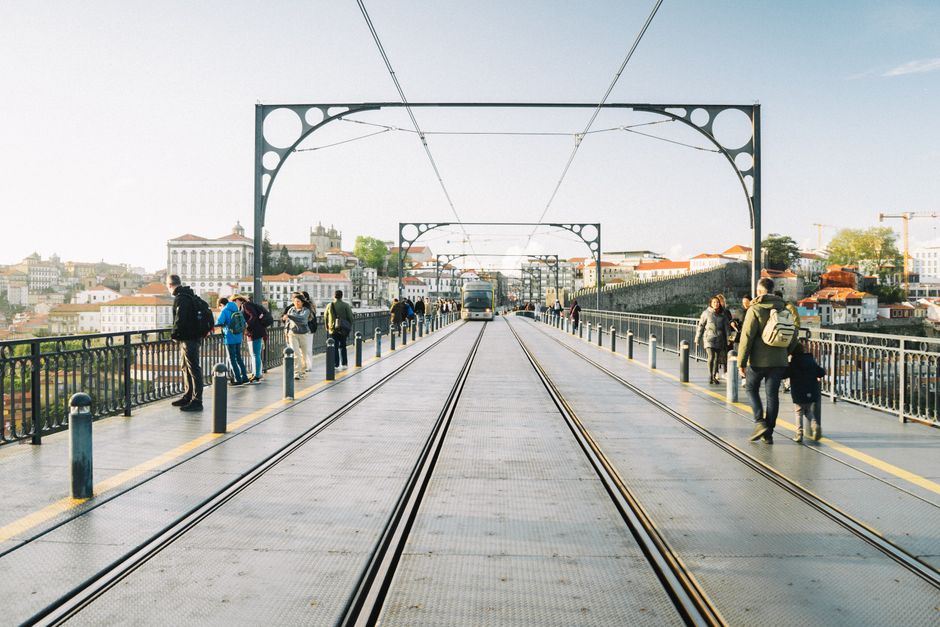
My pick: start high and walk downhill. Ribeira is more enjoyable when the river is the destination rather than the first stop. Porto’s historic centre is a UNESCO-listed urban landscape of narrow lanes, granite façades and sudden openings toward the Douro. The reward comes from changing elevation slowly, not from racing between a checklist of monuments.
Use São Bento as the starting point
Begin at São Bento station and spend fifteen to twenty minutes in the entrance hall. Its azulejo panels, created by Jorge Colaço, cover the walls with scenes from Portuguese history and transport. The station is open from early morning until after midnight according to the city’s visitor information, so it also works as a reliable fallback when rain interrupts an outdoor plan.
From the station, walk down Rua das Flores. Pause at the Misericórdia church and continue toward the Palácio da Bolsa area. This route gives you cafés, tiled façades and enough steep sections to expose the city’s real shape. Wear shoes with grip. Smooth stone becomes slippery after a spring shower.
Reach the river before sunset
At Ribeira, stay on the Porto side first. Look across at the Gaia lodges, watch the lower deck of the Dom Luís I Bridge and follow the quay toward the Luís I funicular area. The waterfront is photogenic, but it is also the most tourist-priced part of the centre. A better meal-to-view ratio usually appears one or two streets uphill.
Cross the bridge on the upper deck only if your legs and weather cooperate. The crossing gives you a clean view back toward Ribeira, but wind can make it uncomfortable in March and April. The official São Bento listing confirms the station’s location and opening information. My verdict is simple: Ribeira deserves your first afternoon, but the walk down from São Bento creates more context than arriving by taxi.
Where can you see Porto’s best azulejos for free?
Best strategy: build a short azulejo route instead of paying for several interiors. Porto’s tiles work as public history, decoration and weather protection. You can see the strongest examples in a few connected stops, then decide if one paid church or museum adds enough to justify its fee.
Which tiled stops should come first?
São Bento is the anchor, with thousands of blue-and-white tiles depicting historical scenes. Next, walk toward Capela das Almas on Rua de Santa Catarina, whose exterior is covered with a striking tiled composition. The Chapel of Santa Catarina is easy to combine with shopping streets, but the pavement gets crowded, so arrive before late morning.
Continue toward Igreja do Carmo and Igreja dos Carmelitas. Their side wall is one of Porto’s most photographed tiled surfaces. The image is impressive, but do not block the pavement for a long photo session. Step back, take one wide frame and move on. The point is to read the façades as part of the city rather than collect identical phone pictures.
Do you need a paid tile attraction?
Not for a first weekend. The free route gives you station panels, a chapel exterior and two major church façades. Pay for an interior only when you want detail, quiet or religious art beyond the exterior. The city’s historic-centre guide also places São Bento, Ribeira and other major sights within the same compact district. My verdict: spend the admission money on one well-chosen port tasting instead of buying several generic attraction tickets.
What mistakes ruin a spring weekend in Porto?
Strong advice: plan around weather and elevation, not just distance. Porto’s spring can deliver warm sun, sharp showers and strong wind in the same day. A map may show a short route, but a steep cobbled climb changes the cost in time and energy.
The four avoidable failures
- Booking the cellar too late: reserve a morning or mid-afternoon slot before building the Gaia route around it. Spring weekends fill faster than a quiet weekday.
- Putting Gaia and Foz on the same half-day: the riverfront and the Atlantic coast are separate plans. Combining them creates a transport-heavy afternoon with little time at either location.
- Assuming every view is free: Ribeira and the bridge are open public spaces, but towers, churches, palaces and cellar tours charge separate fees. Keep a €20–€35 attraction buffer.
- Ignoring the walk back uphill: the route from Ribeira to central Porto is demanding after dinner. Use a bus or taxi when tired rather than turning the final hour into a slow climb.
What should you carry?
Pack a light waterproof layer, shoes with a firm sole and a small bag that closes. Cobblestones punish thin sandals, and a wet phone is an expensive way to learn that a forecast matters. The official Sandeman page lists longer March-to-October opening hours, while Taylor’s lists cellar hours ending in the early evening, so do not assume a late tasting is available. My verdict: one reserved indoor anchor per day is enough. Leave the rest flexible.
What is the best three-day Porto spring itinerary?
Bottom line: keep Porto in three layers: tiles and the upper centre first, Ribeira and the river second, Gaia and port last. This order reduces backtracking and leaves room for rain without sacrificing the main experience.
Day-by-day route
| Day | Morning | Afternoon | Evening |
|---|---|---|---|
| Friday | São Bento, Capela das Almas and Carmo façades | Rua das Flores, Palácio da Bolsa area and Ribeira | Douro view from the lower quay; dinner uphill |
| Saturday | Dom Luís I Bridge and Gaia riverfront | One reserved lodge tour and tasting | Return across the bridge or by metro |
| Sunday | Clérigos area or a weather-proof museum | Slow lunch and final central walk | Leave a margin for airport or rail travel |
The final spending decision
Do not buy three cellar tours, a river cruise and every tower ticket because each individual fee looks manageable. Pick one port lodge, one paid cultural interior and the free azulejo route. That gives you history, architecture, food streets and wine without turning the weekend into an admission-fee spreadsheet.
Porto is not the effortless bargain promised by a postcard, but it is still unusually rewarding on foot. Start above Ribeira, read the tiles at São Bento, cross to one Gaia lodge and keep the final afternoon loose. The opening misconception disappears once the route is right: the city is compact enough for a weekend, but rich enough to punish careless planning.
