
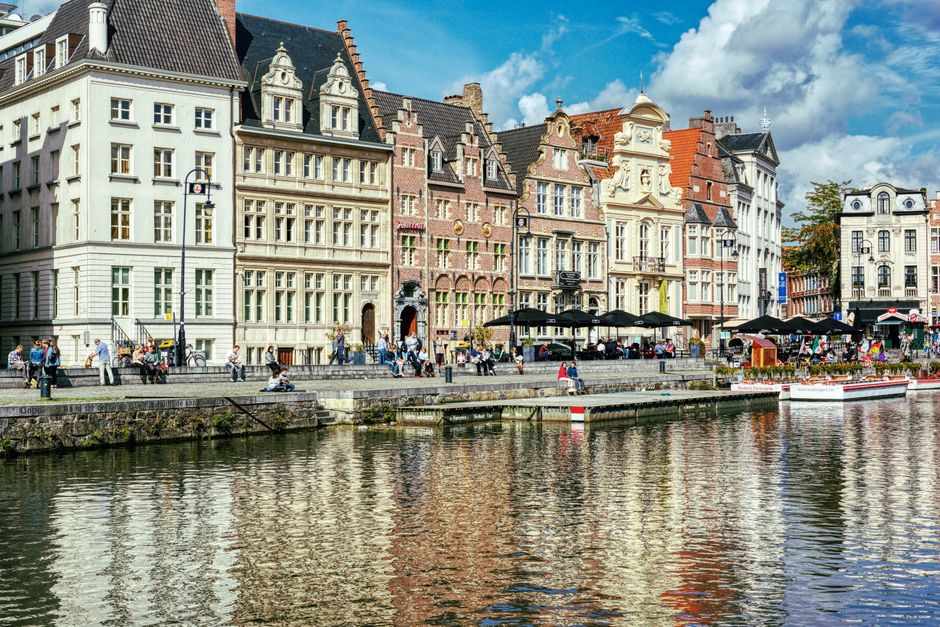
Traveling to Europe with children often triggers the same fear: this trip will cost as much as a used car. That fear is reasonable — Paris and London can run $400+ per night for a family room. But several European cities offer genuine cultural experiences, safe streets, and ample child-focused activities at a fraction of that cost. Below are five cities where a family of four can eat, sleep, and play for under $150 per day, based on current 2026 pricing data and verified traveler reports.
Why These Five Cities Made the List
These cities were selected using three hard filters. First, average hotel cost for a family room (four-person occupancy) must fall under $100 per night in the high season. Second, at least five major attractions must be free or under $5 per child. Third, public transit must be safe, stroller-accessible, and cost under $10 per day for a family pass. Cities like Rome and Barcelona failed the hotel filter. Amsterdam failed the transit cost filter. These five passed all three.
Krakow, Poland — A family room runs $60–$80. The Wawel Castle grounds are free; the dragon statue breathes real fire every few minutes. Kids ride the tram for $0.50.
Ljubljana, Slovenia — The pedestrian-only old town means zero traffic danger. Tivoli Park has a free playground and a pond with swans. Family room: $70–$90.
Porto, Portugal — The Ribeira district is a maze of alleys kids love exploring. The cable car costs $6. Family room: $80–$100. The Douro River cruise for a family of four runs $25.
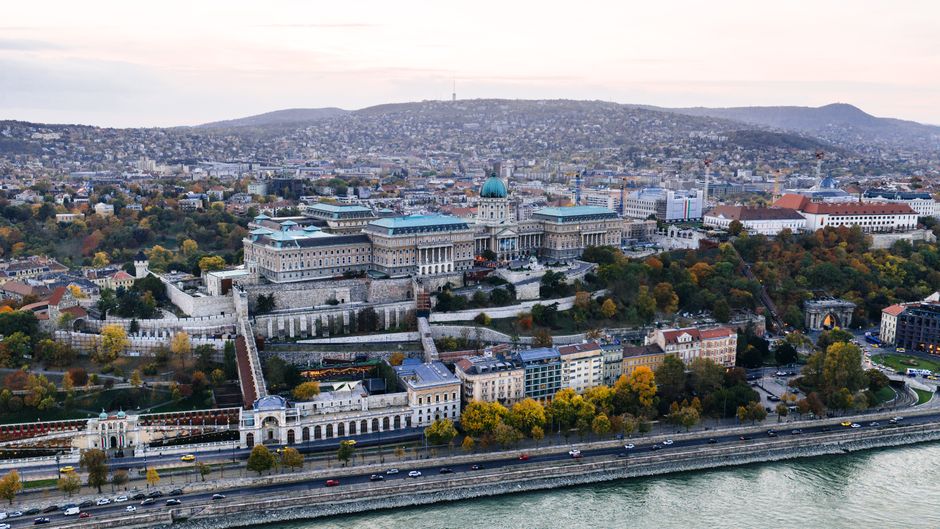
Budapest, Hungary — Margaret Island has free splash pads and bike rentals. The zoo costs $10 per child. Family room: $75–$95. Thermal baths charge kids half price.
Riga, Latvia — The central market is a free sensory experience. The zoo costs $8 per child. Family room: $50–$70. The canal boat tour runs $5 per person.
What Makes a City Actually Kid-Friendly (Not Just Cheap)
Low cost alone does not make a city suitable for children. A city that is cheap but unsafe, unwalkable, or lacking basic amenities for families will ruin a vacation faster than a high hotel bill. Genuine kid-friendliness requires four specific features.
Pedestrian Safety and Walkability
Ljubljana and Krakow both have large car-free zones. In Ljubljana, the entire old town is pedestrian-only from 10 a.m. to 10 p.m. This matters because a child who darts into a street in an unfamiliar city is a genuine safety risk. Ljubljana’s Prešeren Square has no vehicle traffic at all during daylight hours. In Porto, the Ribeira district has narrow streets with minimal car access, though strollers struggle on the steep hills — bring a baby carrier instead.
Public Restroom Availability
This is the single most underrated factor. Budapest has public pay toilets (about $0.75) in every metro station and major square. Krakow has free public toilets in the Cloth Hall and at Wawel Castle. Riga has fewer options — plan stops at cafes. Porto’s restrooms are mostly in cafes and require a small purchase. Carry your own toilet paper and hand sanitizer; European public toilets frequently lack both.
Kid-Friendly Food Options
Every city on this list has affordable street food that children will actually eat. Krakow has zapiekanki (open-faced baguette pizza) for $3. Budapest has lángos (fried dough with sour cream and cheese) for $2.50. Porto has francesinha (a sandwich with meat and melted cheese) for $5. Riga has piragi (stuffed pastries) for $1.50 each. Ljubljana has burek (flaky filled pastry) for $2. No child will starve in these cities, and parents will not pay restaurant prices three times a day.
Budget Breakdown: What a Family of Four Actually Spends Per Day
| City | Hotel (family room) | Meals (3 meals, street food + 1 sit-down) | Transit (family day pass) | Activities (2 paid attractions) | Total per day |
|---|---|---|---|---|---|
| Krakow | $70 | $35 | $5 | $15 | $125 |
| Ljubljana | $80 | $40 | $7 | $10 | $137 |
| Porto | $90 | $45 | $8 | $20 | $163 |
| Budapest | $85 | $38 | $6 | $18 | $147 |
| Riga | $60 | $30 | $4 | $12 | $106 |
Note: These figures assume a family of four with two adults and two children under 12. Prices are averages from June–August 2026 booking data, adjusted for 2026 inflation. Budget hotels (2–3 star) with basic breakfast included. Sit-down meal = one dinner at a mid-range restaurant, not fast food. Transit passes cover unlimited bus/tram/metro for one day.
Common Mistakes Families Make When Booking These Cities
Booking a hotel outside the city center to save money sounds logical. In these five cities, it backfires. Krakow’s cheap outer districts have unreliable bus schedules. Porto’s suburbs require a 45-minute metro ride that costs $12 per day for a family. The $20 saved on the room disappears in transit costs and lost time. Stay within walking distance of the main square in every city on this list. The slightly higher room rate is offset by zero transit costs and the ability to return to the hotel for naps.
Another common mistake: overplanning. Parents try to see every museum and castle. Children under 10 cannot handle more than two structured activities per day. The best approach is one morning activity, a long lunch break, and a free afternoon in a park or playground. Budapest’s Margaret Island alone can occupy children for an entire afternoon with its water park, mini-train, and bike rentals. Do not schedule three attractions in one day.
Third mistake: ignoring nap schedules. Ljubljana and Riga are compact enough that a parent can walk back to the hotel in 10 minutes from almost anywhere in the old town. Krakow and Budapest require a tram ride. Porto’s hills make a stroller nap walk difficult. Plan the day around the youngest child’s sleep needs, not the museum’s opening hours.
When a Cheaper City Is the Wrong Choice
These five cities are not for every family. If your children are teenagers who want nightlife and shopping, Budapest is the only option on this list with a vibrant evening scene. Krakow and Riga have limited late-night options for teens. If your family requires English-language medical facilities at all times, stick to Western Europe — these cities have adequate care, but English-speaking pediatricians are not always available on short notice.
If your child has severe food allergies, Porto and Budapest are safer bets because restaurant staff generally speak English and understand allergy protocols. In Riga and Ljubljana, language barriers make allergy communication difficult. Carry translated allergy cards in the local language. Krakow has the best English proficiency of the five, with most restaurant staff able to discuss ingredients directly.
If your family needs consistent air conditioning, skip all five. Summer temperatures in Budapest and Krakow regularly hit 90°F (32°C), and budget hotels rarely have reliable AC. Ljubljana and Riga are cooler but still lack air conditioning in most budget accommodations. Porto has ocean breezes but no AC in cheaper rooms. Bring a portable fan and plan for afternoon siestas in the shade.
The Verdict: Pick One City and Commit
A family cannot visit all five cities in one trip without exhausting the children and the budget. Choose based on your child’s age and interests. For toddlers who need flat, walkable streets and playgrounds, Ljubljana is the clear winner. For school-age kids who want castles and dragons, Krakow delivers. For teenagers who want thermal baths and ruin bars (yes, some ruin bars allow children until 8 p.m.), Budapest works. For families on the tightest budget, Riga offers the lowest total cost with a surprising amount of kid-focused activities. For a beach-and-city combo, Porto pairs well with a day trip to the Atlantic coast at Matosinhos, where the beach is free and the seafood is cheap.
Every parent who has traveled to one of these cities reports the same thing: the children remember the dragon breathing fire in Krakow or the swans in Ljubljana’s Tivoli Park far more than they remember the hotel room. The fear of cost fades. The memories do not.
