China’s 2026 Spring Festival travel season was estimated at roughly 9 billion passenger trips. That number explains the central rule of Lunar New Year travel: a normal holiday trip becomes a visit during the world’s largest annual movement of people. In 2026, Chinese New Year falls on February 17, but the crowds, family visits, closures, and celebrations begin well before that date. Good manners help, but timing matters even more.
When Lunar New Year changes your travel plans
The holiday date moves every year
Lunar New Year follows the lunisolar calendar, so it can fall between late January and late February. In 2026, the main date is February 17. Mainland China calls the holiday Spring Festival. Vietnam celebrates Tet. Korea marks Seollal. Singapore and Malaysia combine Chinese customs with their own public-holiday traditions. These celebrations share themes such as family reunions, fresh clothes, special meals, and wishes for good fortune, but they are not identical.
The practical verdict is simple: treat the week before and the week after Lunar New Year as a peak travel period. Trains, domestic flights, popular hotels, and restaurant tables disappear first. A city may look busy in the morning and unusually quiet after dinner because workers have gone home or family-run businesses have closed.
Closures differ by destination
| Destination | Local name or pattern | What visitors should expect |
|---|---|---|
| Mainland China | Spring Festival, beginning February 17 in 2026 | Heavy rail demand, crowded airports, and closures from several days to more than a week for small businesses |
| Vietnam | Tet, beginning around February 17 in 2026 | Quiet city streets, limited family-run services, and higher demand for flights and regional transport |
| South Korea | Seollal, around February 17 in 2026 | Fast-selling intercity tickets and many families travelling to ancestral homes |
| Singapore and Malaysia | Public holidays with major community celebrations | Busy Chinatown areas, altered opening hours, and crowded evening events |
| Japan | Lunar New Year is not a national holiday | Most services run normally, though Chinatowns and some resorts hold special events |
Book transport before you book side trips. Confirm opening hours directly with museums, restaurants, and family-run hotels. That small check prevents the most common Lunar New Year mistake: arriving with a carefully planned itinerary after the people who run it have gone home.
What to do in a family home or temple
Bring a small, useful gift
If a local family invites you inside, bring fruit, tea, wrapped sweets, or a regional food item. Choose a neat package with an even number of pieces when possible. Avoid gifts associated with funerals or separation, including clocks, cut flowers, white wrapping, and gifts given in sets of four in Chinese-speaking settings. These customs vary by family, so a modest gift beats an expensive one that creates awkward symbolism.
Use both hands and let the host lead
Present a gift with both hands. Receive tea, a red envelope, or a dish in the same way. Do not open a red envelope in front of the giver unless they invite you to do so. If someone gives you food, try a little and offer a clear compliment. You do not need to perform a perfect greeting. A sincere Happy New Year works in English, while Gong hei fat choy is common in Cantonese communities and Gong xi fa cai is common in Mandarin-speaking communities.
- Remove your shoes if the household does so.
- Wait for the eldest guest or host to sit before starting a formal meal.
- Use serving chopsticks when they are provided.
- Never stand chopsticks upright in a bowl of rice; that shape resembles incense used at funerals.
- Ask before touching decorations, ancestral objects, or family altars.
Dress and photograph with restraint
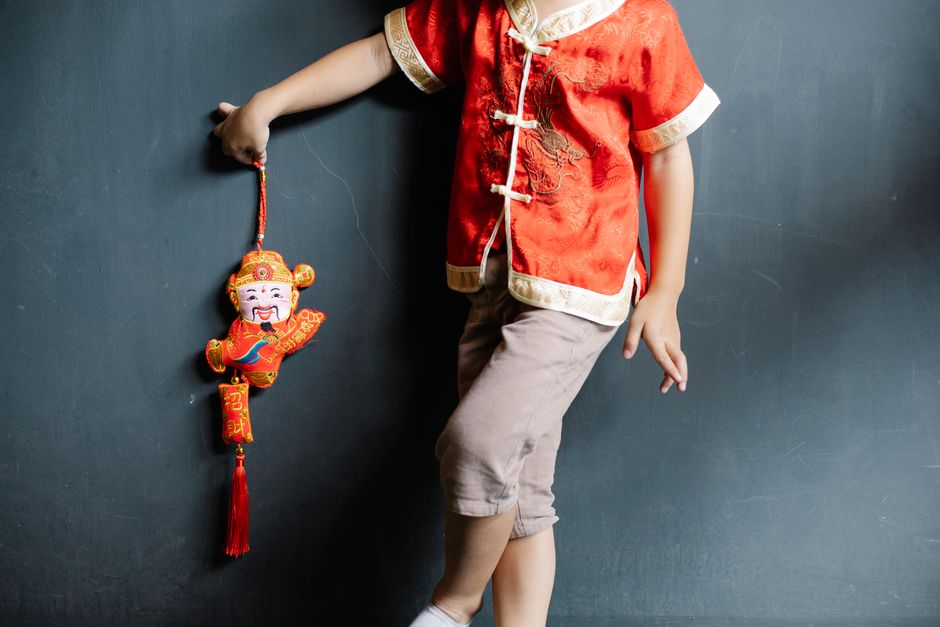
Red is a safe, festive colour in many communities, but it is not a costume. Wear clean, modest clothes for temples and family homes. Cover shoulders and knees when local religious practice expects it. Ask before taking photographs of worshippers, lion dancers, children, altars, or red-envelope exchanges. At a temple, follow the queue and copy the quiet behavior of local visitors. The clearest recommendation is to be a guest first and a photographer second.
How to behave on trains, at meals, and in queues
My strongest etiquette rule is to protect other people’s time and personal space. Crowded transport turns small actions into public annoyances. Keep your backpack in front of you, lower your voice, and never block a train door while checking directions.
- Queue behind the marked line. Let people exit before boarding.
- Keep suitcases out of seats and move them quickly when a platform becomes crowded.
- Do not push toward a family reunion group simply because your train is next.
- At restaurants, accept shared dishes with serving utensils and wait for the host to signal that eating has started.
- Do not stick chopsticks into rice, tap bowls, or reach across another person.
- Ask before joining a public dance, lion-dance procession, or family photograph.
- Use cash or a local payment method when a small business is busy. Do not make staff troubleshoot an unfamiliar card for ten minutes.
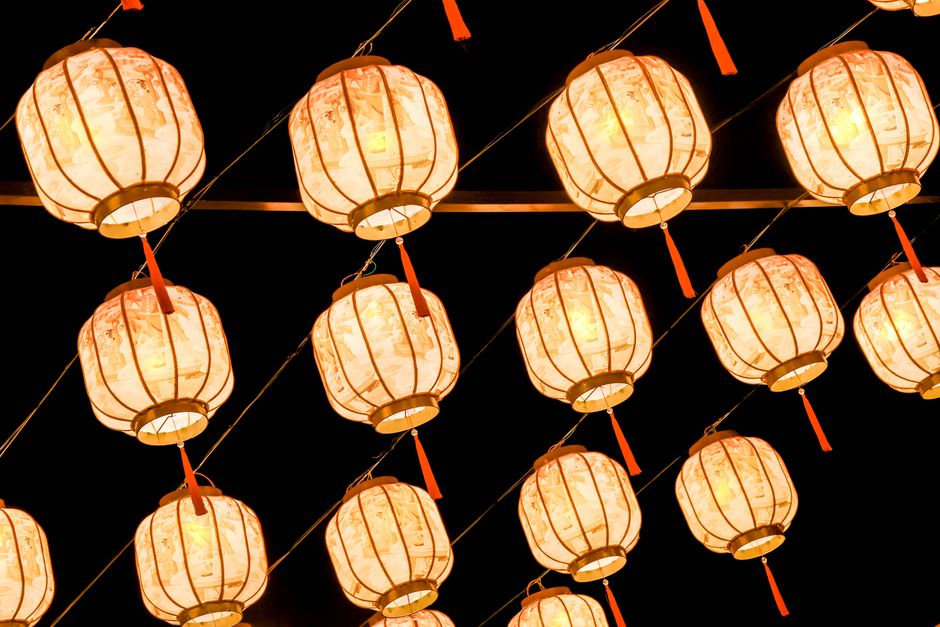
Avoid the failure mode of treating every red decoration as an invitation to touch it. Red banners, lanterns, door couplets, and ornaments may carry family names, religious meaning, or wishes for a specific household. Admire them from the walkway unless someone invites you closer. The same rule applies to lion dancers: give performers space, keep children from grabbing costumes, and never step into a procession to take a selfie.
Food manners also vary. In some homes, leaving a small amount signals that the host provided plenty. In others, finishing everything shows appreciation. Watch the host and ask a simple question if you are unsure. Do not turn a regional difference into a judgment about good or bad manners.
The winning behavior is quiet cooperation. Move when the line moves. Clear your seat. Say thank you. Let local people enjoy their holiday without becoming part of your travel story.
Should you travel during Lunar New Year?
Is Lunar New Year a bad time to visit Asia?
No, but it is a bad time for a rigid itinerary. If your priority is family culture, street decoration, temple fairs, food, and public celebrations, the holiday offers experiences that ordinary tourism cannot copy. If your priority is empty trains, guaranteed restaurant hours, and spontaneous hotel upgrades, choose another month. My verdict: travel during Lunar New Year when you can stay at least five nights in each major stop and accept changes to your schedule.
What if a city is partly closed?
Build each day around one confirmed activity, one flexible neighbourhood walk, and one backup meal. Hotel restaurants, major museums, international chains, and transport hubs tend to be more predictable than independent shops, but confirm every opening time. Keep snacks and water in your day bag. A closed noodle shop should change your lunch, not ruin the day.
What is the safest simple rule?
Learn the local name of the holiday, ask before entering private or religious spaces, and copy the pace of the people around you. Do not assume that Chinese customs apply in exactly the same way in Vietnam, Korea, Japan, Singapore, or Malaysia. The respectful traveller notices the difference.
That 9-billion-trip travel season sounds overwhelming when viewed from an airport departure board. On the ground, the solution is smaller: book early, carry less, wait your turn, accept the offered tea, and leave room for a family celebration to take its own shape. That is how a visitor moves through Lunar New Year with confidence instead of adding to the rush.
