
Wondering how to visit Bali’s temples and rice terraces in the dry season without breaking a local rule, overheating on a hillside, or paying for a walk that does not suit your day? The answer is simple: treat etiquette and terrain as part of the itinerary, not as details to check after arrival.
What Temple Etiquette Means in Bali’s Dry Season
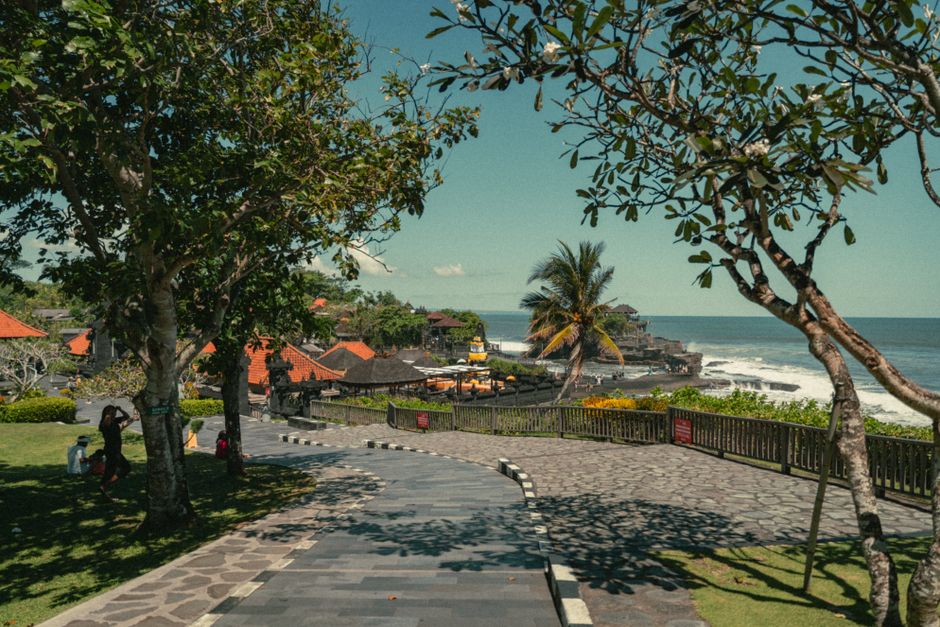
Dry-season weather makes temple visits easier to schedule, but it does not make sacred spaces casual sightseeing stops. Bali’s Hindu temples remain active places of prayer throughout the year. A tourist may see a courtyard, a gate, or a ceremonial structure as a photo setting; a local family may see the same space as part of a living religious practice.
What to wear inside a temple
Cover your shoulders and knees before entering a temple complex. A sarong and sash are standard, and many larger sites provide them at the entrance or rent them for a small fee. Wear the sash around your waist rather than tying it loosely over a bag. Keep swimwear, cropped tops, and transparent clothing for the beach. Men and women should follow the same basic standard.
Some temples restrict entry for people with open wounds, recent childbirth, or menstruation under local customary rules. These rules are not identical at every site. Do not argue with a gatekeeper or assume an online comment applies everywhere. Ask calmly at the entrance and accept the answer.
How to behave around offerings and worshippers
Small woven offerings may sit on pavements, steps, walls, and shrine platforms. Walk around them. If a crowded path leaves no obvious route, wait for a moment or follow a local visitor’s lead. Never move an offering to create a clearer photograph.
Ask before photographing a ceremony. A quiet nod and a short question work better than raising a camera first.
Where photography crosses the line
The strongest photo is not always the most respectful one. Keep a distance from priests and worshippers, stay outside cordoned areas, and turn off flash during prayers. A temple gate can be photographed from the public path without blocking people who need to pass. Respect the active ritual before chasing the perfect frame.
Which Rice Terrace Walk Fits Your Day?
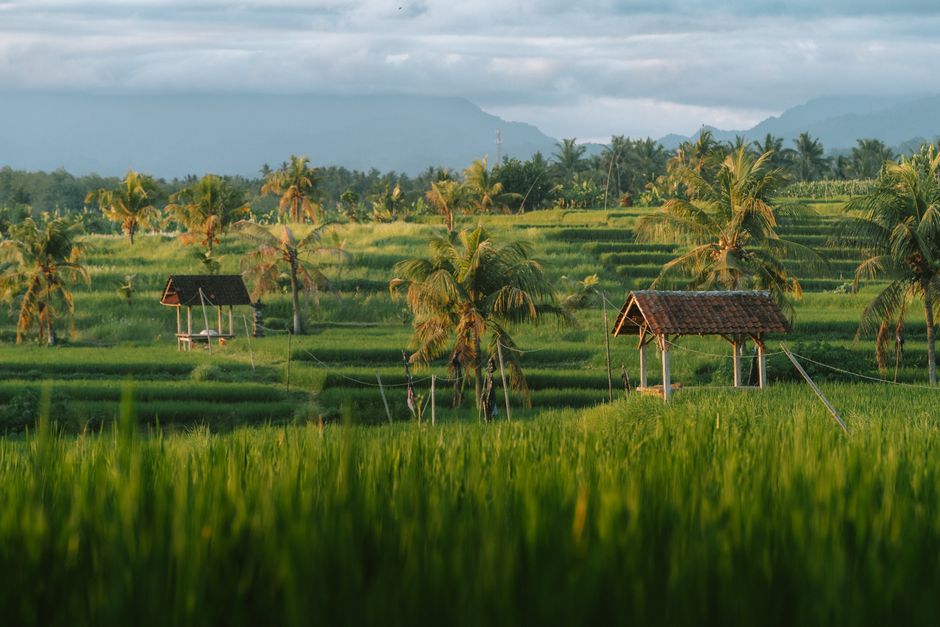
There is no single rice terrace experience in Bali. Tegalalang suits travellers who want a short, accessible outing near Ubud. Jatiluwih rewards a longer day and wider views. Sidemen feels more rural, but its paths can be less obvious and more dependent on local knowledge. Choose by walking time and terrain, not by the number of photographs attached to a listing.
| Area | Typical walk | Terrain | Best choice | Dry-season warning |
|---|---|---|---|---|
| Tegalalang | 60–120 minutes | Steep steps, narrow paths, exposed sections | First-time visitors with limited time | Midday heat builds quickly on the open terraces |
| Jatiluwih | 90 minutes–3 hours | Rolling tracks, village lanes, muddy patches after rain | Wide landscapes and a slower half-day | Carry water because shade is uneven |
| Sidemen | 90 minutes–3 hours | Farm paths, slopes, uneven village tracks | Quieter scenery and local village life | A guide helps prevent wrong turns |
| Campuhan Ridge near Ubud | 45–90 minutes | Paved path, stairs, exposed ridge | A short sunrise or late-afternoon walk | Little shade during the strongest sun |
For a first rice terrace walk, choose Jatiluwih if you have half a day; choose Tegalalang if you have only two hours. The dry season usually brings firmer paths, but irrigation channels still run through working fields. Stay on marked or clearly used paths, step aside when farmers pass, and never enter a planted plot for a photograph.
Start before 9 a.m. for cooler temperatures and softer light. A late-afternoon walk can also work, but leave enough daylight for the return route. Sunset arrives quickly behind hills, and a path that looks obvious from a viewpoint becomes harder to follow in low light.
What to Pack for Heat, Stone, and Sudden Rain
My clear recommendation is a light, closed-toe walking kit rather than beachwear and a phone-only setup. The dry season reduces rain but does not remove heat, dust, slippery steps, or short tropical showers. You do not need specialist trekking equipment. You do need enough water, sun protection, and footwear that can handle wet stone.
The small kit that earns its space
It is a practical size for a two-hour walk, although you may need a refill on longer routes.
For sun protection, the Sun Bum Original SPF 50 Lotion comes in a 3-ounce tube and offers water resistance for up to 80 minutes according to its packaging. Reapply after heavy sweating. The Uniqlo AIRism UV Protection range is a useful clothing option because a long-sleeved layer blocks more sun than a thin tank top while staying lighter than a conventional cotton shirt. Product prices and stock vary by country, so treat these as examples rather than required purchases.
Why footwear matters more than fashion
The Salomon X Ultra 4 GTX is built around a hiking-shoe shape and waterproof membrane; the Merrell Moab 3 Ventilator uses a more breathable, non-waterproof design. Pick the Salomon for muddy routes and frequent wet conditions. Pick the Merrell for hot, mostly dry paths where airflow matters more than rain protection. Neither shoe makes steep stairs safe by itself. Slow steps and a free hand matter more.
Skip smooth sandals for long terrace routes. They expose toes, slide on wet stone, and make narrow paths harder to manage. You can wear sandals for a short temple visit if they have secure straps and firm soles, but closed shoes are the better call for Sidemen or Jatiluwih.
Can You Visit Temples and Rice Fields Without a Guide?
A guide is not required for every visit. It becomes valuable when a route crosses active farms, village lanes, or several temple compounds with different local rules.
Can I wear shorts at a temple?
You can arrive in shorts, but you should cover your knees before entering. Use a sarong at the entrance and keep your shoulders covered. If a temple asks you not to enter, accept the decision and enjoy the exterior areas instead.
Do I need a guide for Tegalalang?
Usually not for the main viewpoint and short loop. A guide becomes useful if you want to understand irrigation, farming, and village customs rather than walk between photo stops. Do not follow an unofficial guide who pressures you into shops or demands a fee that was never agreed.
Is the dry season always sunny?
No. Bali’s dry season generally runs from April to October, but brief showers still occur, especially around hills and inland areas. Check the morning forecast, carry a thin rain layer, and avoid assuming that a clear sky means a dry path.
Should I visit a temple before or after the walk?
Visit the temple first when you are clean, calm, and dressed for the rules. After a sweaty terrace walk, you may need to change clothes before entering a sacred complex. This small timing choice prevents awkwardness and gives the religious visit the attention it deserves.
How to Plan a Respectful Dry-Season Day in Bali
The best plan is an early, unhurried loop that leaves space for local instructions. Trying to combine three distant terraces, several temples, and a sunset viewpoint in one day creates rushed driving and careless behavior. Use this sequence instead:
- 6:30–7:30 a.m.: Leave your accommodation with covered shoulders and knees, a sarong, water, sunscreen, and shoes suited to uneven ground.
- 8:00–9:00 a.m.: Visit the first temple before crowds and heat rise. Ask about entry restrictions, follow the marked route, and photograph only after checking that worshippers are comfortable.
- 9:30–11:30 a.m.: Walk one rice terrace route. Stay on paths, give farmers priority, and stop in shaded areas rather than beside narrow steps.
- 11:30 a.m.–1:00 p.m.: Eat, hydrate, and let wet clothing dry. This is a poor time for another exposed climb, especially for children and older travellers.
- 1:00–3:00 p.m.: Choose one cultural stop or a village road. Keep the plan flexible if rain makes farm paths slippery.
- After 4:00 p.m.: Take a short ridge walk or return to your base. Leave terraces before darkness and avoid turning a quiet village into a night-time photo set.
Before paying for transport or a private walk, confirm the route length, entrance fees, guide price, footwear needs, and whether the itinerary enters a working farm. Those details prevent most unpleasant surprises. The direct answer to the opening question is now clear: visit temples with covered knees and shoulders, move around offerings, start terrace walks early, and choose one route that matches your stamina. Bali’s dry season becomes easier—and far more respectful—when the day is planned around the places and people you came to see.
