
How do you spend four days in a 2.2-million-acre park without ending up at the same six spots as every other visitor? Yellowstone is genuinely enormous — bigger than Rhode Island and Delaware combined — and most people see roughly 15% of it. That’s not automatically wrong. But it helps to understand how the park is structured before you start booking campsites and planning drives.
The park divides into five distinct regions, each with a different character. Get oriented to those first. Everything else follows.
Yellowstone’s Five Regions: What Each One Actually Offers
The Grand Loop Road — a figure-eight highway that runs through the center of the park — is how most visitors navigate Yellowstone. Each section of that loop connects to a different type of landscape, and they feel almost like separate destinations.
| Region | Top Draw | Crowd Level | Best Season | Drive from West Entrance |
|---|---|---|---|---|
| Upper Geyser Basin | Old Faithful, Grand Geyser, Black Sand Basin | Very High | May–June, September | ~30 miles |
| Midway Geyser Basin | Grand Prismatic Spring | High | June–September | ~20 miles |
| Norris Geyser Basin | Steamboat Geyser, Porcelain Basin | Moderate | May–October | ~14 miles from North Entrance |
| Lamar Valley | Wolf and bison watching | Low–Moderate | April–June, September–October | ~50 miles via Mammoth |
| Grand Canyon of the Yellowstone | Lower Falls (308 ft), Artist Point | High | June–September | ~40 miles |
The most common mistake: visitors arrive at the West Entrance and spend three of their four days within 10 miles of Old Faithful. That area is spectacular, but Lamar Valley — the remote northeast corner requiring a longer drive — is where Yellowstone reveals its most dramatic character. If you’re forced to choose one region beyond Old Faithful, make it Lamar.
No single region is a disappointment. But they’re not interchangeable, and treating them like a checklist to rush through produces a worse trip than slowing down in two or three areas and actually staying long enough for something unexpected to happen.
The Geothermal Sites Worth Queuing For — and One That Isn’t
Yellowstone sits atop one of the world’s largest volcanic hotspots. Around 10,000 hydrothermal features are distributed across the park — more than anywhere else on earth. That number makes it hard to prioritize. Here’s a direct assessment of what’s worth your hours.
Old Faithful and the Upper Geyser Basin
Old Faithful erupts roughly every 90 minutes, reaches 100 to 180 feet high, and lasts between 1.5 and 5 minutes. Rangers post the next predicted eruption on a board near the visitor center — usually accurate within a 10-minute window. See it once. You don’t need to see it twice.
What most visitors miss is the boardwalk loop that circles the entire Upper Geyser Basin. The full loop takes 1.5 to 3 hours and passes Beehive Geyser, Castle Geyser, and Grand Geyser — which erupts in multi-burst sequences that frequently exceed Old Faithful’s height, hitting 200 feet or more. If the prediction board shows Grand erupting within the next 30 minutes, wait for it. It’s consistently more dramatic than Old Faithful and draws a fraction of the crowd.
Black Sand Basin, just one mile north of Old Faithful, often gets skipped entirely. Sunset Lake there — a deep turquoise pool ringed with orange and yellow bacterial mats — is one of the most visually striking thermal features in the park. Thirty minutes here, mostly to yourself, regularly beats an hour at the main geyser area.
Grand Prismatic Spring at Midway Geyser Basin
The iconic aerial photo — concentric rings of blue, green, yellow, and orange — is Grand Prismatic Spring in the Midway Geyser Basin. At 370 feet wide and 121 feet deep, it’s the largest hot spring in the United States.
One problem: the view most people expect is not visible from the boardwalk at ground level. You need the overlook on the Fairy Falls Trail, about 0.8 miles one way from the Fountain Flat Drive trailhead. Do both — ground level first, then the overlook. Budget 90 minutes total. The overlook is a short but steep scramble and the view is immediately obvious why the photo exists.
Norris Geyser Basin — The One Most People Underestimate
Norris Geyser Basin is the hottest and most geologically volatile region in the park. Steamboat Geyser, located here, is the world’s tallest active geyser — it erupted more than 150 times between 2018 and 2026 after decades of near-dormancy. Major eruptions can’t be predicted on a schedule, but minor activity is visible on most visits and still impressive.
The Porcelain Basin section of Norris looks like a different planet — a stark, bleached-white thermal field with vivid acid pools and near-constant steam venting from dozens of features. Crowd levels here run noticeably lower than the Old Faithful corridor. If you have four days in the park, spend one of them at Norris.
One honest skip: Fountain Paint Pot gets significant traffic and the mudpots are legitimately interesting, but if you’ve already done Norris and Upper Geyser Basin, it doesn’t add much new. It works as a 20-minute roadside stop between destinations. Not a dedicated half-day visit.
Wildlife Watching: Two Valleys, One Clear Answer
Lamar Valley is the best wildlife-watching location in the continental United States. That’s not marketing language — it’s the working conclusion of most wildlife photographers and naturalists who have spent serious time across North America. The broad, open valley floor with high visibility makes spotting wolves, grizzly bears, bison herds, elk, and pronghorn genuinely practical rather than a matter of luck.
The Lamar Valley road runs about 15 miles from Lamar Canyon west to the Slough Creek junction. Dawn and dusk are when activity peaks. Pull off anywhere you see vehicles with spotting scopes set up on tripods — those are almost always wolf watchers who track the local packs daily and know recent sighting locations. They’re generally happy to share a look through the scope.
Lamar Valley vs. Hayden Valley: Which One to Prioritize
Hayden Valley, in the central park near Canyon Village, is more accessible from most park lodges and sees heavier visitor traffic as a result. Bison herds are reliable year-round. Grizzly bear sightings are frequent, especially in spring. It’s a genuine wildlife area — not a consolation prize.
But wolf sightings in Lamar happen regularly, particularly in spring and fall when pack activity increases. In Hayden, wolves are possible but far less predictable. The difference in effort is real: Lamar is in the park’s northeast corner and requires a longer drive from the main accommodation clusters.
Verdict: if you have one morning specifically for wildlife, choose Lamar if you’re willing to drive, Hayden if you aren’t. Both deliver. The gap between them is effort, not quality.
The Grand Canyon of the Yellowstone
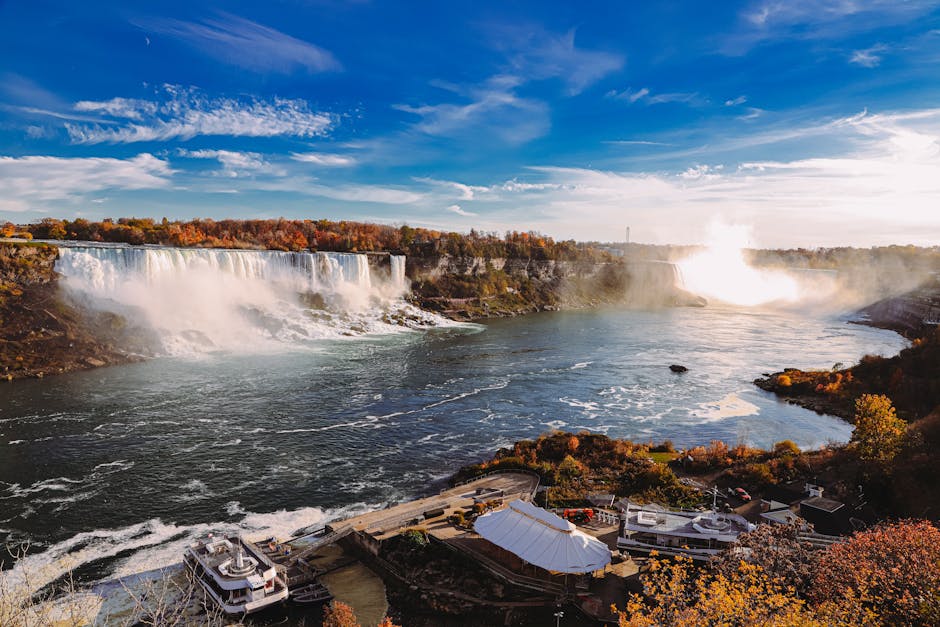
The Grand Canyon of the Yellowstone belongs in any honest list of the park’s top sites regardless of wildlife interest. The Lower Falls at Artist Point drops 308 feet — roughly twice the height of Niagara Falls — into a canyon with walls stained yellow, orange, and rust from hydrothermal alteration. Early morning light on those walls is genuinely striking. Allow 90 minutes minimum, more if the light is good when you arrive.
Four Places Most Visitors Never Reach
Studies by the park service consistently show that the overwhelming majority of visitors stay within a short distance of their vehicles. That leaves enormous sections of Yellowstone nearly empty. These four spots deliver significant reward for modest extra effort:
- West Thumb Geyser Basin — Hot springs on the direct shoreline of Yellowstone Lake. Fishing Cone, a thermal vent at the waterline, was historically used by anglers to cook freshly caught trout directly in the boiling water. The basin takes 30 minutes to walk and consistently sees lighter crowds than other thermal areas. The combination of geothermal activity and mountain lake backdrop is unique in the park.
- Boiling River — A natural hot spring near Mammoth Hot Springs that flows into the Gardner River, producing warm soaking pools where swimming is legal — one of the very few places in the park where that’s permitted. The hike from the trailhead is half a mile. Parking fills by 9am in summer. Go early or after 4pm.
- Mount Washburn — A 6.4-mile round-trip hike (or shorter via the south trailhead at Dunraven Pass) gaining roughly 1,400 feet to a summit at 10,243 feet. Views extend across the entire Yellowstone caldera. Bighorn sheep are regularly spotted near the summit fire lookout tower. Manageable for most adults in reasonable condition; allow 3 to 4 hours round trip.
- Shoshone Lake — The largest backcountry lake in the lower 48 states. Accessible only on foot via a 17-mile loop trail or by paddling from Lewis Lake. Requires a backcountry permit available at recreation.gov starting each January for the same calendar year. The Shoshone Geyser Basin on the lake’s west shore is the largest backcountry thermal area in the park — genuinely remote, genuinely worth the effort for anyone with two or more nights to spare.
You don’t need to attempt all four. But skipping all of them means missing the part of Yellowstone that asks something of you — and that’s usually the part people describe most vividly years later.
When to Go and How to Structure Your Days
What’s the least crowded window?
May and early June. Weather is unpredictable — snow is possible into late May — but the park is operational and visitation is at its annual low. Wildlife activity peaks in spring: bison calving runs late April through June, and predator activity around the herds increases accordingly. The Beartooth Highway (US-212), one of the most spectacular approach routes to the northeast entrance, typically opens in mid-May and is worth a drive regardless of direction.
September is the second-best window. Crowds drop sharply after Labor Day, temperatures stay comfortable during the day, and elk rut season begins in mid-September — a loud, visually dramatic event concentrated around Mammoth Hot Springs and the Madison area.
July and August bring 30,000-plus visitors per day. Parking lots at Grand Prismatic, Old Faithful, and Artist Point fill before 9am and sometimes by 8am. Peak summer visits require arriving at major sites before 8am or after 5pm, without exception.
How many days does Yellowstone actually require?
Three days is the minimum to cover the main thermal areas, one wildlife morning in Lamar or Hayden, and the Grand Canyon. Four to five days adds Norris, a meaningful hike, and time in Lamar without rushing. A week opens up the backcountry and the park’s quieter corners.
One day produces the 15% experience: Old Faithful, a loop drive, done. The park is not overrated. It just requires more time than most destinations to show you what it actually is.
Inside the park vs. staying outside: which makes sense?
Inside lodges — Old Faithful Inn, Canyon Lodge, and Lake Yellowstone Hotel — book through Xanterra Parks and Resorts at yellowstonenationalparklodges.com. Reservations open 12 months in advance and July dates sell out quickly. Prices run $150 to $450 per night depending on room type and season. If you want inside accommodation in peak summer, begin looking the previous October or November.
The gateway towns of Gardiner (north entrance), West Yellowstone (west entrance), and Cody (east entrance via the scenic Wapiti Valley) offer accommodation at lower price points and more flexibility. The tradeoff is drive time: plan 20 to 45 minutes to reach the park gates depending on your entrance, which matters for 6am wildlife starts in Lamar Valley.
Once inside, the Grand Loop Road keeps all major sites within 90 minutes of each other by car — most are closer. Position yourself near whichever region anchors your itinerary and the rest of the park stays accessible as day trips. Four days spent that way covers Yellowstone at the depth it deserves.
