
The common misconception is that every lavender field in Provence reaches peak colour at the same time. It does not. Altitude, rainfall, heat, and harvest schedules change the view from one valley to the next. July can be the best month for a first visit, but only if you match your route to the right flowering window and accept that the most famous places are busy.
Provence in July is a sensory trip: dry stone villages, warm evenings, fruit piled on market tables, and the sharp herbal scent of lavender carried across open farmland. The strongest plan combines one lavender area, two market mornings, and slower village visits. Trying to cover the whole region in a few days usually creates long drives and short memories.
Where are Provence’s lavender fields in July?
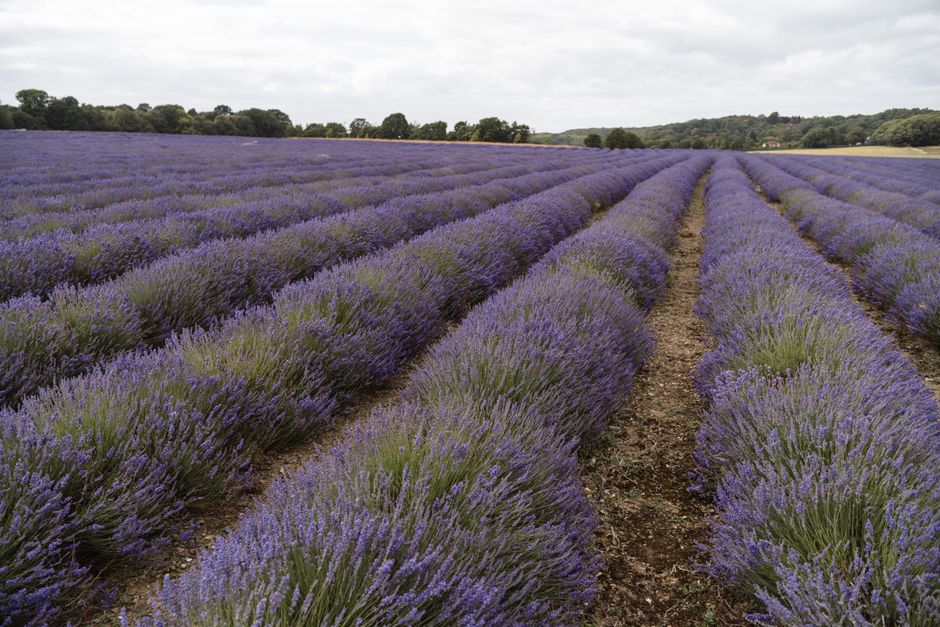
The best field depends on the week of your trip. The Valensole Plateau usually starts flowering in mid-June and often reaches its strongest display in late June or early July. Sault, higher on the Mont Ventoux plateau, generally starts later and can remain attractive into August. Fields near Avignon, Aix-en-Provence, and the Luberon often look strongest from late June through the beginning of July.
| Area | Typical July timing | Best reason to visit | Main caution |
|---|---|---|---|
| Valensole Plateau | Late June to mid-July | Large postcard-style fields and wide views | Heavy traffic and early harvest in some fields |
| Sault Plateau | Early July to August | Higher, cooler landscapes and walking routes | Longer drives from Aix and Avignon |
| Luberon and Sénanque area | Late June to mid-July | Lavender combined with hill towns and abbey scenery | Popular roads and limited parking |
| Near Avignon and Aix | Late June to early July | Easy addition to a city-based itinerary | Fewer uninterrupted fields than Valensole |
Choose timing before choosing a village
For a trip during the first ten days of July, Valensole and the Luberon are strong choices. For the second half of July, Sault gives you a better chance of seeing purple fields after lower areas have been cut. This is a pattern, not a promise. Check local tourism updates a few days before driving out because a hot, dry spring can move harvest dates forward.
Visit fields without damaging them
Stay on public paths and use farm entrances where provided. Do not walk between rows, pick stems, block narrow lanes, or climb over a dry-stone wall for a photograph. The lavender belongs to working farms, and bees are active in the fields. The best light is usually early morning or the final two hours before sunset, when the colours soften and the heat drops.
The best July plan starts before the crowds
My clear recommendation: base yourself near one main landscape and start every field visit before 9 a.m. July heat and coach groups change the experience by late morning. An early start gives you cooler roads, easier parking, better light, and enough time to stop for breakfast in a village instead of rushing from one viewpoint to the next.
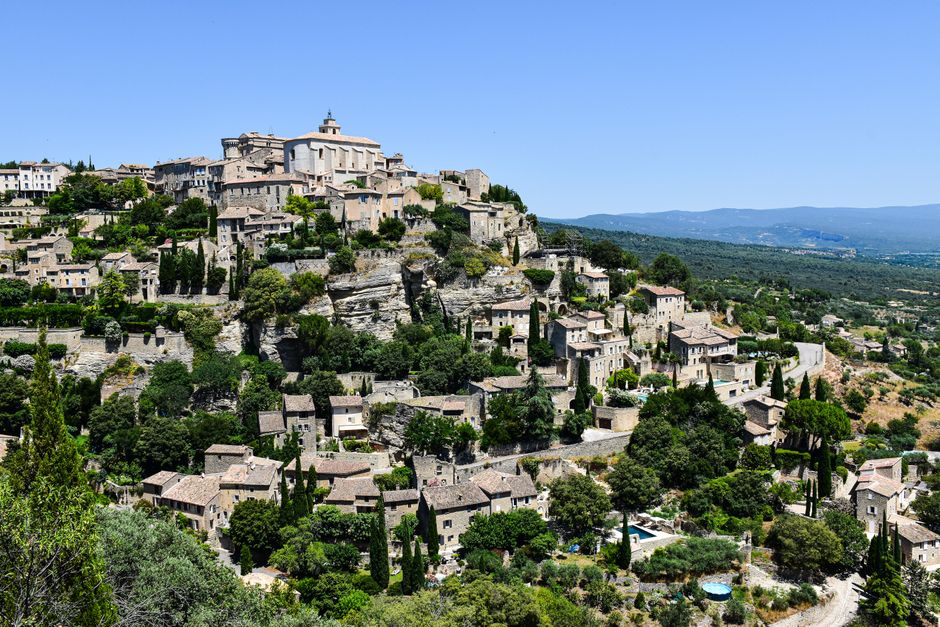
Do not treat Provence as one compact attraction. The region is large, and a route linking Aix, Valensole, Gordes, Sault, Arles, and Saint-Rémy can consume more time in the car than on foot. Pick a western base for Luberon villages and Saint-Rémy, or an eastern base for Valensole and the Verdon area. Sault works best as its own overnight stop rather than a quick detour from the coast.
What a realistic three-day rhythm looks like
Use the first morning for a market, the hottest middle hours for lunch or an indoor visit, and the late afternoon for a village walk. Give the lavender fields the first or last light. This rhythm also protects the trip from delays: a slow lunch, a closed museum, or a full car park will not ruin the day.
Why the famous viewpoint may not be your best stop
The most photographed field is not always the most rewarding. A smaller farm with a marked path can offer more space and a better chance to understand how lavender is grown and distilled. Valensole supplies the grand scale; Sault offers altitude and quieter roads; the Luberon adds architecture. For most first-time visitors, the best answer is one major field area plus one village cluster, not a collection of famous names.
How to build a three-day Provence itinerary
A useful July itinerary follows the heat and the market calendar instead of forcing every attraction into one route.
- Day one: arrive and shop locally. Stay in or near Aix-en-Provence, Saint-Rémy-de-Provence, or a Luberon village. Visit a morning food market, buy fruit and bread for the next day, then keep the afternoon flexible. Aix has a daily fruit and vegetable market at Place Richelme, while Saint-Rémy’s large market takes place on Wednesday morning and usually runs until about 1 p.m.
- Day two: visit the lavender landscape at first light. Drive to Valensole for broad fields, or choose the Luberon and Sénanque area if villages and architecture matter more than scale. Stop only where parking is legal. Return to your base for lunch, then walk through Gordes, Roussillon, Lourmarin, or another selected village after the strongest heat has passed.
- Day three: choose a slower market route. Market days shape the Luberon week: Gordes is commonly associated with Tuesday, Roussillon with Thursday, Lourmarin with Friday, and Apt with Saturday. Verify dates locally before setting out because municipal schedules can change. Select one market, not four.
- Keep a weather backup. If mistral winds, storms, or extreme heat make open fields unpleasant, visit a distillery, museum, abbey, winery, or shaded historic centre. The trip still works when the sky is cloudy; lavender is only one part of Provence.
Pack for roads, markets, and stone streets
Wear closed shoes with firm soles, carry water, bring a hat, and keep a light layer for air-conditioned trains or evening breezes. A small tote is more useful than a large day bag in crowded market lanes. Cash can help at small stalls, but cards are common in larger towns.
Book the parts that actually sell out
Reserve accommodation, a rental car, and any popular abbey or guided farm visit early. Leave restaurant lunches and village walks less rigid. A packed schedule turns a market morning into a timed errand, which is the opposite of why people come to Provence.
What are the manners at Provençal markets and villages?
Good manners are simple: greet before asking for help, do not handle produce without permission, and step aside when you stop to take a photograph. A quiet “Bonjour” at a stall or shop entrance is more useful than perfect French grammar.
Should you greet every shopkeeper?
Yes. Say “Bonjour” when entering a small shop, bakery, market stall, or family-run guesthouse. Use “Bonsoir” in the evening. If you leave without buying anything, “Merci, bonne journée” is enough. Staff may switch to English, but beginning in French shows awareness of the local setting.
Can you photograph people, homes, and market stalls?
Ask before photographing a person, a child, a private courtyard, or a close-up of a vendor. Wide street scenes are usually less sensitive, but avoid blocking doorways and narrow lanes. At markets, ask before touching or sampling food. Vendors often offer samples, but taking one without an invitation is poor form.
How should you behave in a quiet village?
Keep voices low near churches, cemeteries, and residential lanes. Do not sit on private steps, enter closed farm tracks, or park across a gate. Many hill towns have residents living above the tourist routes, so the picturesque lane is also someone’s front door. At lunch, service may be slower than visitors expect because restaurants protect a set midday rhythm. Plan for that pause instead of treating it as a service failure.
What goes wrong in Provence in July?
July trips usually fail through small planning errors, not a lack of attractions. Avoid these mistakes:
- Arriving at noon for lavender photographs. The light is harsh, the heat is intense, and parking is harder. Go early or near sunset.
- Assuming every field will still be purple. Valensole fields can be harvested while higher Sault fields are still blooming. Check the area, altitude, and current local reports.
- Driving without a fuel and water plan. Rural stations may be far apart, and a hot car becomes uncomfortable quickly. Refill before leaving a larger town.
- Following a market list without checking the day. Weekly markets are tied to specific mornings, and festival dates can move. Confirm the schedule with the local tourism office or town website.
- Buying lavender from an unmarked roadside stop without asking its origin. Ask if the product is locally grown, which variety it contains, and how it was made. A labeled producer or cooperative gives clearer information.
- Trying to see Provence without a break from the car. Long drives between distant villages create a tiring trip. Replace one faraway stop with an extra hour at your base.
When should you skip July? Choose June or September if you dislike heat, crowds, and higher accommodation demand. Choose August only if your schedule requires it and you are willing to focus on higher areas such as Sault, where flowering can last later. For a first visit built around lavender, markets, and village life, early July offers the strongest balance, provided you travel slowly and verify local conditions.
The single most important takeaway is to match your July route to the lavender bloom, market day, and morning light instead of trying to see all of Provence at once.
