
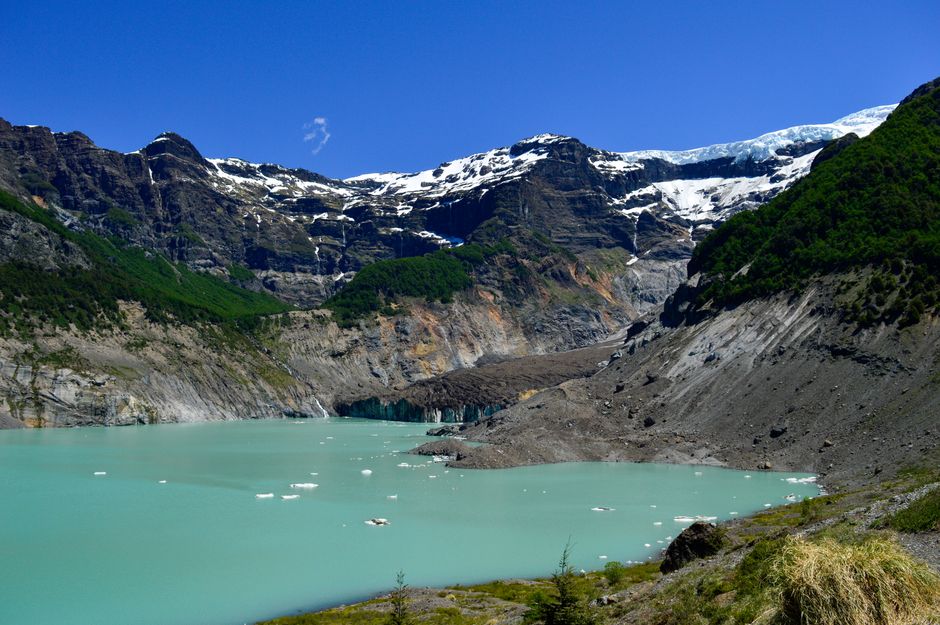
March is one of the best months for hiking Torres del Paine if you want late-summer daylight, fewer visitors than January or February, and a realistic chance of completing the W Trek. It is not a weather guarantee. Patagonia can bring strong wind, rain, snow, and trail closures in any season. For most hikers, the five-day W Circuit is the best March choice because it offers the park’s signature views without the longer exposure and higher closure risk of the O Circuit.
Is March a good month to hike Torres del Paine?
The strongest case for March
March sits at the end of the Southern Hemisphere summer. Daylight remains long enough for full hiking days, while visitor numbers typically begin to fall after the February peak. Temperatures are often comfortable for walking, with daytime conditions commonly around 8–16°C in the lower valleys. Higher camps and exposed passes can feel much colder once wind and rain arrive.
The month also works well for travellers who want a quieter pace. Refugios and camps are normally still operating during the main summer season, but you should confirm each site before paying for transport or accommodation. The park’s official 2026 guidance lists Base Torres as an approximately eight-hour, 7-kilometer excursion, with entry by 09:00 and exit by 15:00. Those limits matter more than a guidebook’s estimated walking time.
The main qualification
March does not remove operational risk. That example is useful because it shows how quickly the legal operating status of a trail can change. Check the official daily trail report immediately before departure and again at each park checkpoint.
My verdict is clear: choose March for the W Circuit or carefully selected day hikes, but do not build a rigid itinerary around one viewpoint appearing on one exact morning.
What is Torres del Paine weather like in March?
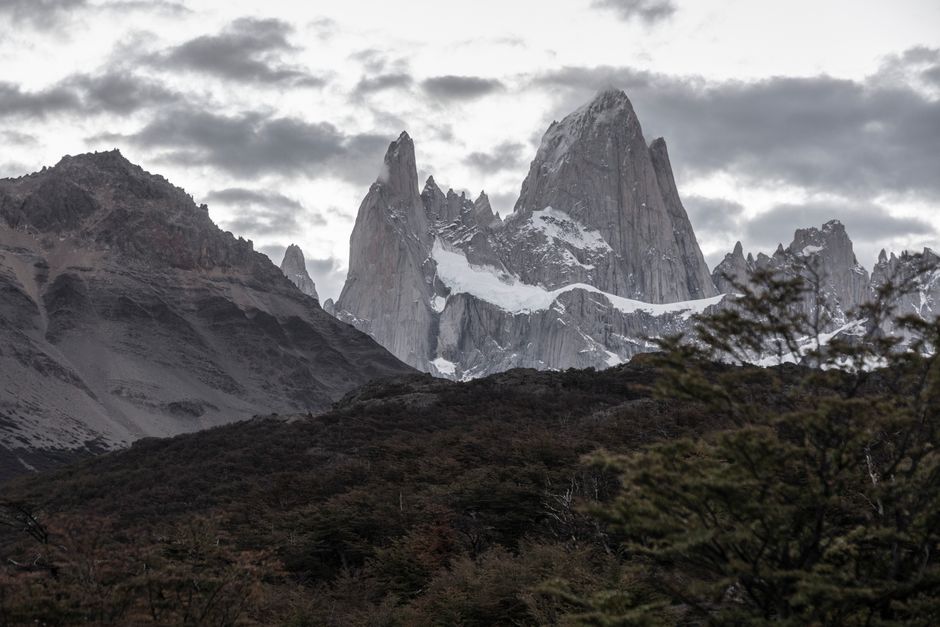
Wind matters more than the temperature
Patagonia’s March problem is not usually extreme cold. It is rapid change. A morning can begin calm and bright, then turn wet and windy before lunch. Gusts on exposed trails can affect balance, reduce visibility, and make a mild forecast feel dangerous. The wind also raises the cost of a mistake: a damp layer that seems tolerable near the trailhead can become a serious problem after several hours.
Pack for four conditions in one day: sun, rain, cold, and strong wind. A waterproof shell should fit over your insulation layer. A fleece or light synthetic jacket is more useful than a heavy cotton sweatshirt. Keep gloves and a warm hat in an accessible pocket instead of buried at the bottom of your pack.
How to read a forecast before hiking
Look at wind speed and gusts, precipitation timing, freezing levels, and visibility rather than relying on the daily high temperature. A forecast showing rain after 15:00 may still be acceptable for a short morning walk, but it is a poor match for a long exposed route with a fixed return deadline. Ask the ranger station or your accommodation about the actual trail surface, not just the town forecast.
Use the park’s current instructions as the controlling source. The 2026 visitor recommendations provide route-specific entry and exit guidance, while CONAF can restrict or close trails when conditions change. The safest March decision is often to shorten the day before the weather forces you to do so.
Which Torres del Paine route is best in March?
A route comparison for late summer
| Route | Typical time | Main strength | March judgment |
|---|---|---|---|
| Base Torres day hike | About 8 hours | The park’s famous granite towers | Best for a single hiking day |
| W Circuit | Usually 4–5 days | Torres, French Valley, and Grey Glacier | Best overall choice |
| O Circuit | Usually 7–10 days | Quieter backcountry and the John Gardner area | Best only with flexible dates |
The W Circuit wins for most March visitors because it combines high-value scenery with more accommodation and transport options. It still demands reservations, food planning, and enough strength for repeated uphill days. The Base Torres hike is the better choice when you have only one free day or when a multi-day route has become uncertain.
When the O Circuit makes sense
The O Circuit adds remote terrain and more exposure to changing conditions. Its appeal is real, but its margin for error is smaller. Seasonal access can change, and the John Gardner section is especially sensitive to snow, ice, wind, and poor visibility. Do not choose it simply because a longer itinerary sounds more complete. Choose it only if you can accept a route change or an early exit.
For the W or O, the park requires reservations at participating refugios or campsites before entering the mountain routes. The official reservation guidance also states that visitors without the required accommodation bookings may be denied access to those circuits.
How should you plan a five-day W Trek in March?
A workable sequence
- Day 1: Travel from Puerto Natales to the eastern sector, hike toward Base Torres, and sleep near Central or Chileno according to your reservation.
- Day 2: Walk from the Las Torres sector toward Los Cuernos or Frances. Start early because this is a long transfer day with limited flexibility.
- Day 3: Explore the French Valley if the trail is open and the forecast supports it. Turn around if wind, cloud, or time limits make the upper viewpoint unsafe.
- Day 4: Continue toward Paine Grande, then use the area as a base for the Grey viewpoint if your schedule and transport allow.
- Day 5: Finish at Paine Grande and connect with the catamaran or ground transport according to the current timetable.
This plan is a framework, not a legal permission to cross a closed trail. Confirm every segment with the park and the concession operator. Leave at least one buffer night in Puerto Natales if an international flight depends on the final transfer from the park.
How to manage time on trail
Set a turnaround time before you start. Do not keep walking toward a viewpoint because the sky looks as if it might clear. Carry enough water and food for delays, and keep your emergency layer dry inside a liner bag. If a bus, boat, or park gate has a fixed departure, treat that deadline as part of the route distance.
The clearest March plan is the one that survives a missed viewpoint. A short section completed safely is a successful trekking day; a rushed descent in deteriorating weather is not.
What mistakes cause problems on the W Trek?
Four avoidable failures
- Booking only the park entrance: An entry ticket does not replace the required campsite or refugio reservation for the W and O mountain circuits.
- Underestimating wind: A warm forecast at Puerto Natales does not describe exposed ridgelines, lake crossings, or high viewpoints.
- Starting too late: Some sectors have entry or exit deadlines. A late start can turn a manageable route into a forced night walk.
- Assuming every service is open: Meals, shuttles, boats, stores, and refugios operate on changing seasonal schedules. Confirm them directly.
When not to hike the planned route
Do not continue toward a viewpoint when the park has closed the trail, when rangers have imposed a turnaround time you cannot meet, or when your group lacks the clothing and navigation skills for the forecast. Do not treat a paid reservation as evidence that conditions are safe. The park can restrict access after bookings have been made.
Another common error is packing for a sunny photograph instead of a full day outside. March hikers need a rain shell, warm layer, dry storage, and enough food for delays even when the forecast looks favorable. If a member of the group develops persistent shivering, confusion, severe fatigue, or coordination problems, stop the hike and seek assistance through the park’s emergency system.
