
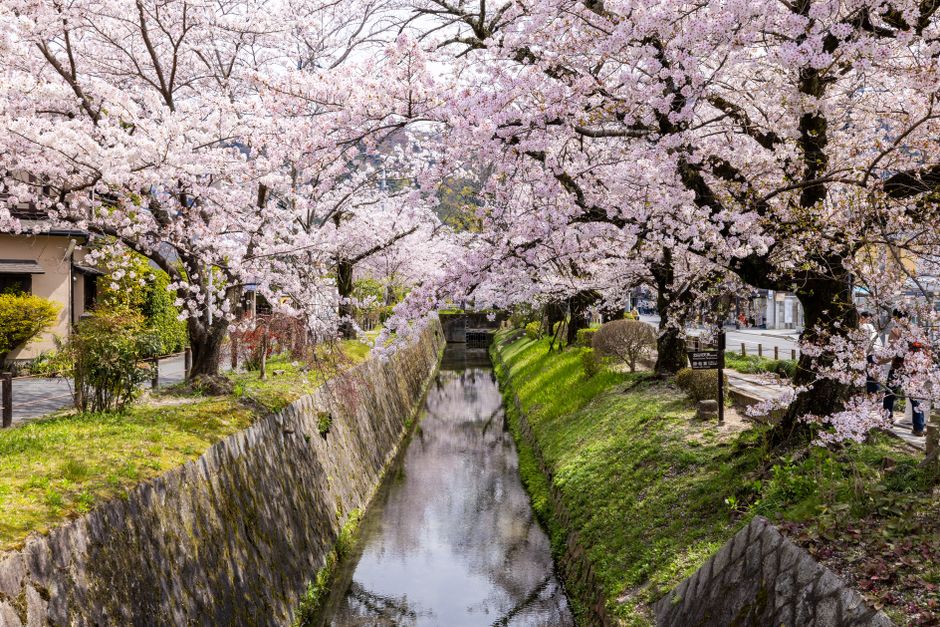
A Tokyo Metro 24-hour ticket costs ¥700 in 2026, but the social cost of saving a prime cherry-blossom spot with one absent person can be much higher. I have seen visitors spread a huge sheet across a busy park, leave it unattended for hours, then return confused when staff ask them to fold it away.
The problem is not that hanami picnics are formal. They are relaxed, noisy in places, and often involve beer, convenience-store food, and large groups of friends. The trick is knowing where the relaxed atmosphere ends. The best hanami guests take only the space they need, keep the paths clear, pack out their rubbish, and treat the trees as living things rather than scenery.
How early should you arrive for a hanami picnic?
Choose a legal place before choosing a beautiful place
Do not start by hunting for the perfect tree. Start with the park rules. Large parks such as Ueno Park, Yoyogi Park, and Osaka Castle Park can divide picnic areas from walking areas, restrict cooking, limit alcohol, or close certain sections after dark. A location that looks open on a map may be reserved for an event, blocked for maintenance, or unsuitable for sitting.
Read the signs near the entrance and check the park’s official website before leaving your hotel. The Japanese words for a picnic sheet, picnic area, and rubbish can help: shikimono, enshoku chiiki, and gomi. If a staff member points you elsewhere, move without an argument. Local rules beat advice from a travel forum.
Save space with one person, not an abandoned sheet
For a popular weekend in Tokyo or Kyoto, arriving 60 to 90 minutes before your group is reasonable. At very famous viewing spots, people may arrive much earlier, but sending one person at dawn to occupy a large area until late afternoon creates resentment and may break park rules. Keep the sheet close to the size of your group. A two-person picnic does not need a blanket designed for twelve.
Leave clear room around paths, drinking fountains, toilets, emergency routes, and tree trunks. Never attach tape, rope, nails, or decorations to a branch. If blossoms are falling onto your sheet, you found a good place. You do not need to touch the tree to improve the view.
What should you bring to a Japanese cherry blossom picnic?
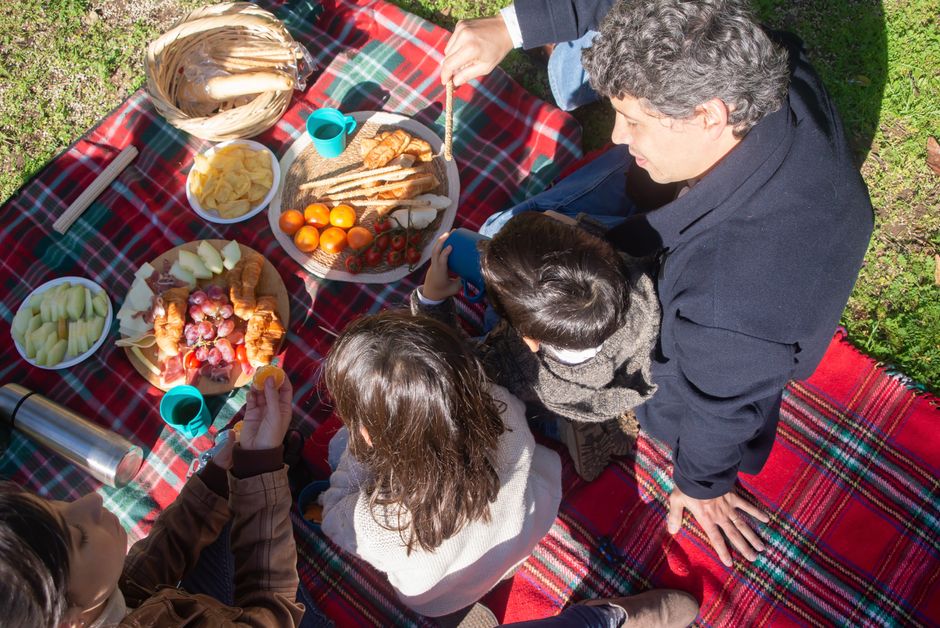
The best hanami kit is small enough to carry on public transport and complete enough to leave no mess behind. Bring a compact sheet, food that can be eaten without a full table, drinks with resealable lids, tissues, wet wipes, a small rubbish bag, and a second bag for recycling. Pack one extra layer because spring evenings can feel much colder than sunny afternoons.
Skip anything that creates work for strangers. That means no portable barbecue unless the park clearly allows it, no glass bottles near crowded paths, no loose confetti, and no glitter. Disposable chopsticks are common, but reusable cutlery is easier on your rubbish bag. Put shared food into containers that close tightly. A leaking sauce packet can ruin a sheet and stain the ground.
Pack food that suits the setting
Onigiri, sandwiches, fried chicken, fruit, and small sweets work well because people can take one portion without reaching across someone else’s plate. If you share a large box, use clean serving chopsticks or tongs. Do not use chopsticks that have already touched your mouth to pick food from the communal container.
Dress for sitting, not just for photographs
Most hanami picnic areas use grass, gravel, or paving rather than benches. Wear trousers or a long skirt that lets you sit comfortably, and bring a thin cushion if your knees or back dislike hard ground. Shoes stay off the picnic sheet. Put them neatly at the edge, soles facing away from food, and do not walk across another group’s sheet to reach your seat.
How much noise and alcohol is acceptable at hanami?
My firm rule is simple: drink socially, speak normally, and never make the whole park participate. Hanami is not silent meditation, but it is also not a private nightclub. Small groups can laugh, toast, and talk. Loud speakers, shouting across several sheets, drunken games, and karaoke turn a shared public space into someone else’s problem.
Keep music low enough that the nearest group can hold a conversation. If people nearby start looking over repeatedly, lower the volume before a staff member has to ask. Alcohol is allowed in some parks and restricted in others, so check the posted rules. Even where beer and sake are permitted, public intoxication can lead to trouble. Stop drinking before you lose control of your voice, balance, or rubbish.
Respect the people who live near the park
Many famous blossom sites sit beside homes, schools, temples, or busy shopping streets. Do not block apartment entrances, private driveways, bicycle parking, or narrow pavements while waiting for friends. Keep voices down when leaving at night. The picnic may feel like a one-day celebration to you, but local residents experience the crowd every spring.
Never use the trees as party equipment
Do not climb branches, shake trunks to create falling petals, pull blossoms, or hang lanterns from limbs. These actions damage the trees and create a safety risk for the people below. Photograph the canopy from the path or your sheet. The best picture is not worth breaking a branch.
How do you manage toilets, rubbish, and bad weather?
Most hanami disasters are logistical rather than cultural. People choose a spot far from a toilet, forget that rubbish bins fill early, then leave cups and food containers beside a tree. A little planning keeps the whole picnic pleasant.
- Use the toilet before you settle. Lines grow quickly after lunchtime, especially near the most famous viewing areas. Locate a second toilet before sitting down. If you are with children, older relatives, or anyone with mobility needs, choose a place with a short, clear route rather than the most photogenic tree.
- Carry your rubbish from the first bite. Keep one bag open for burnable rubbish and another for cans or bottles. Do not force a full bag into an overflowing bin. If the park asks visitors to take rubbish home, follow that instruction. Convenience stores and stations may refuse large picnic waste.
- Bring protection for the ground and your clothes. A waterproof sheet helps when grass is damp, but it does not make a muddy area suitable for sitting. Avoid flower beds and newly planted areas. A small towel, plastic bag for wet items, and spare socks matter more than decorative tableware.
- Have a departure trigger. Wind, rain, cold, and darkness change the experience fast. Fold the sheet when the weather turns instead of waiting for staff to close the area. Secure lightweight rubbish before walking away. A paper plate moving across a path becomes somebody else’s cleanup job.
- Leave the spot cleaner than you found it. Check under the sheet, around the edges, and behind bags. Pick up bottle caps, food scraps, tissues, and broken toothpicks. If you spill a drink, blot it immediately and tell park staff if the surface has become slippery.
Weather also changes the etiquette. On a windy day, do not let your sheet spread into the walkway. On a cold evening, avoid building a fire or using a stove unless the park has a marked cooking zone. In crowded areas, a simple early exit is more considerate than forcing a long meal after the ground has become wet and everyone is tired.
What should you do when another group breaks the rules?
Do not turn a picnic into a public argument. Move your group first if you can. If someone blocks a path, damages a tree, or creates a clear safety problem, speak to park staff or a nearby station employee instead of confronting a drunk stranger. Staff can act with authority; an angry visitor usually makes the scene louder.
- For loud music, move farther away before making a complaint if the park still has room.
- For rubbish, point it out to staff rather than touching another group’s belongings.
- For a blocked toilet route or emergency path, report it at once because access matters more than comfort.
- For dangerous behavior near water, steep ground, or tree branches, get staff help immediately.
- For a simple cultural difference, let it go. Not every unfamiliar habit is bad manners.
There is also a useful boundary for your own group. If a friend wants to play music loudly, reserve an oversized sheet, or leave before collecting the rubbish, say no before the behavior starts. A clear rule is easier to accept at the hotel than after a staff member has arrived.
The best hanami memory is not the group that claimed the biggest patch of grass or stayed until the last train. It is the group that enjoyed the blossoms, made room for other people, and left no evidence that it had been there.
