
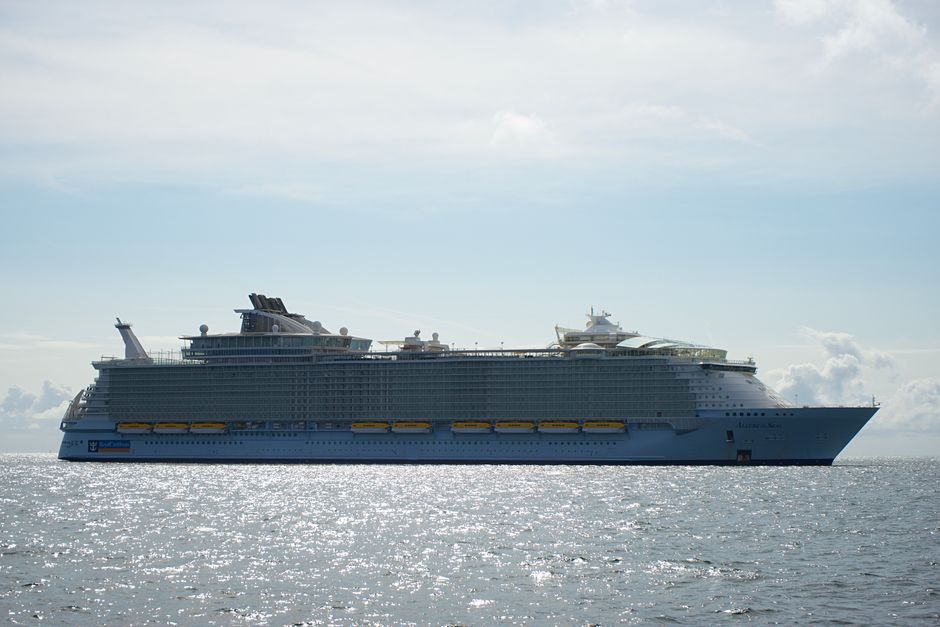
That deep blast you hear from a cruise ship isn’t random noise. It’s a coded message. A short blast means “I’m turning to starboard.” Three short blasts mean “I’m backing up.” Seven short blasts plus one long one? That’s the general emergency signal — and you need to get to your muster station.
Most passengers hear horns at departure and think it’s just a goodbye. It’s not. It’s a legal communication between the ship and the port, often followed by a playful melody chosen by the captain. Here’s what every traveler should know about cruise ship horn sounds, plus the etiquette for enjoying them without annoying everyone around you.
Why Cruise Ships Have Horns (It’s Not Just for Fun)
The horn is a legally required safety device under international maritime law. Every vessel over 100 gross tons must carry a whistle or horn that can be heard at least one nautical mile away. Cruise ships use massive air horns powered by compressed air at 150–200 PSI. The sound reaches 135–150 decibels — louder than a jet engine at takeoff.
Horns serve three core purposes:
Navigation and Collision Avoidance
Under the International Regulations for Preventing Collisions at Sea (COLREGS), ships use horn blasts to signal their intentions. One short blast = altering course to starboard (right). Two short blasts = altering course to port (left). Three short blasts = operating astern (backing up). These signals are universal and mandatory in confined waters like harbors and channels.
Emergency Alerts
The most critical horn signal is the general emergency alarm: seven short blasts followed by one prolonged blast, repeated for at least one minute. This means abandon ship or muster immediately. Every passenger should recognize this sound. On Carnival Cruise Line ships, the emergency signal is followed by a recorded voice announcement. On Royal Caribbean, it’s the same pattern but with a different tone.
Fog Signals
In thick fog, ships sound their horn every two minutes when underway. One prolonged blast = I am a power-driven vessel underway. Two prolonged blasts = I am not under command or restricted in ability to maneuver. These signals let other vessels know your position when visibility is near zero.
Departure Horns: The Fun Ones (and the Rules)
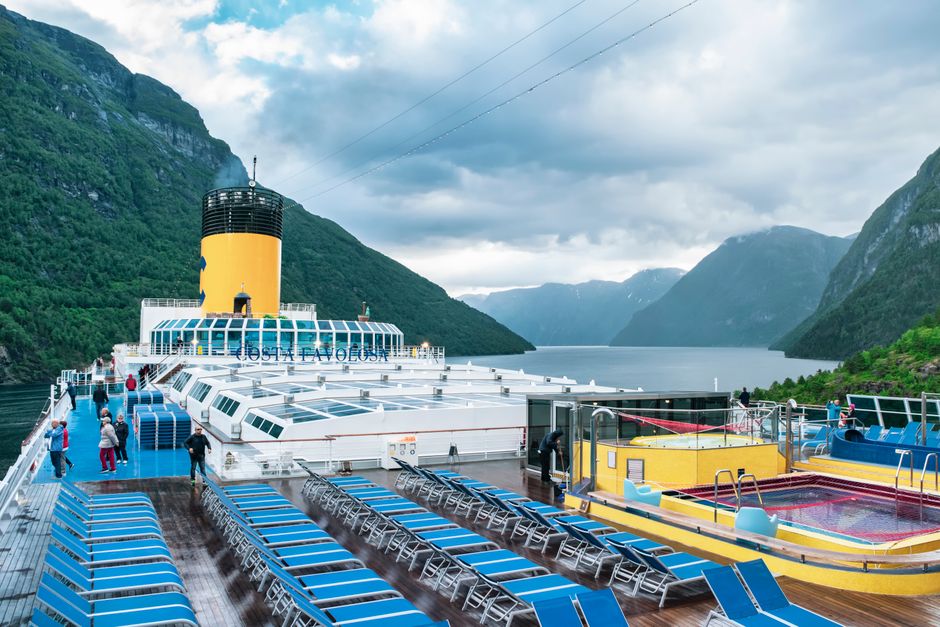
The most famous cruise ship horn sound is the departure blast. It’s usually three long blasts — the standard signal for “I am about to depart.” But many captains add a musical flourish. The horn on Carnival Horizon plays the first seven notes of “When the Saints Go Marching In.” MSC Meraviglia blasts the tune from “The Godfather.” Disney Dream plays “When You Wish Upon a Star.”
These musical horns are custom installations. A single ship horn costs $15,000–$30,000. A full musical horn set with multiple chimes can cost over $100,000. The captain chooses the melody, and it’s often a personal or regional favorite. On Alaska cruises, you’ll hear foghorn-style low notes. In the Caribbean, expect something upbeat.
When NOT to Blow the Horn
Horns are not for passenger entertainment. The captain will not sound the horn just because someone asks. Blowing it unnecessarily wastes compressed air, disturbs nearby residents, and violates port noise ordinances. Ports like Juneau, Alaska and Venice, Italy have strict decibel limits and fines for excessive horn use. Most cruise lines limit horn use to departure, fog, and emergency situations only.
Cruise Horn Etiquette for Passengers and Shore-Side Listeners
If you’re on the ship, here’s what to do when you hear a horn:
- At departure: Enjoy it. Wave. Take a photo. The horn signals the start of your voyage.
- In fog: The horn will sound every two minutes. It’s loud. Earplugs help if you’re in a forward-facing cabin. It’s not a malfunction.
- Seven short + one long: Stop what you’re doing. Proceed to your muster station immediately. Do not ignore this.
- During a drill: The horn will sound during the mandatory muster drill. Everyone must participate. No headphones, no sitting in your cabin.
If you live near a cruise port, you’ve heard these horns at 7 AM. The sound travels 2–3 miles inland on a clear day. PortMiami generates the most cruise horn noise in the U.S., with 5–10 departures daily. Residents in South Beach and Brickell have filed noise complaints for years. The city now requires ships to use lower-volume electronic horns between 10 PM and 7 AM.
When the Horn Is a Nuisance (and What to Do)
If you’re on a cruise and the horn bothers you, book a midship cabin on a lower deck. Sound travels upward and forward. Cabins on decks 2–6 near the center of the ship are quietest. Noise-canceling headphones like the Sony WH-1000XM5 or Bose QuietComfort Ultra block 95% of the horn’s low-frequency rumble.
If you’re a port resident, contact your local port authority or city council. Some ports have installed noise barriers or restricted horn use to specific hours. Port of Seattle now uses an automated horn system that limits volume to 120 dB during nighttime departures.
How Cruise Horns Compare by Cruise Line
| Cruise Line | Horn Type | Decibel Level | Musical Feature |
|---|---|---|---|
| Carnival Cruise Line | Air horn, 3-chime | 140 dB | “When the Saints” on select ships |
| Royal Caribbean | Air horn, 5-chime | 145 dB | “Star Wars” theme on Oasis-class ships |
| MSC Cruises | Electronic horn | 135 dB | “The Godfather” on Meraviglia-class |
| Disney Cruise Line | Air horn, 7-chime | 150 dB | “When You Wish Upon a Star” on all ships |
| Norwegian Cruise Line | Air horn, 3-chime | 138 dB | No musical feature; standard three-blast departure |
Disney’s horns are the loudest and most complex, with seven individual chimes that can play full melodies. Carnival and Royal Caribbean offer musical horns on newer ships only. MSC uses electronic horns that can reproduce any melody, but the sound is thinner than compressed air. Norwegian keeps it simple — three blasts, no music, no fuss.
What Not to Do When You Hear the Horn
Three common mistakes passengers make:
Mistake 1: Ignoring the emergency signal. Seven short blasts plus one long blast is not a joke. Some passengers assume it’s a drill and stay in their cabin. On Costa Concordia in 2012, the emergency alarm sounded but many passengers didn’t respond because they thought it was a drill. 32 people died. Always treat the signal as real until crew tells you otherwise.
Mistake 2: Asking the captain to blow the horn for your wedding proposal. Captains get these requests weekly. They almost always say no. The horn is a safety device, not a party favor. If you want a special moment, arrange it with the cruise director instead.
Mistake 3: Blaming the crew for fog horns. The horn in fog sounds every two minutes, 24 hours a day, until visibility improves. Crew members don’t enjoy it either. The noise is unavoidable and necessary for safety. Earplugs are $2 at the gift shop.
The cruise ship horn is one of the oldest communication tools still in active use. It’s loud, it’s regulated, and it carries real meaning. Next time you hear that deep blast, you’ll know exactly what the ship is saying.
