
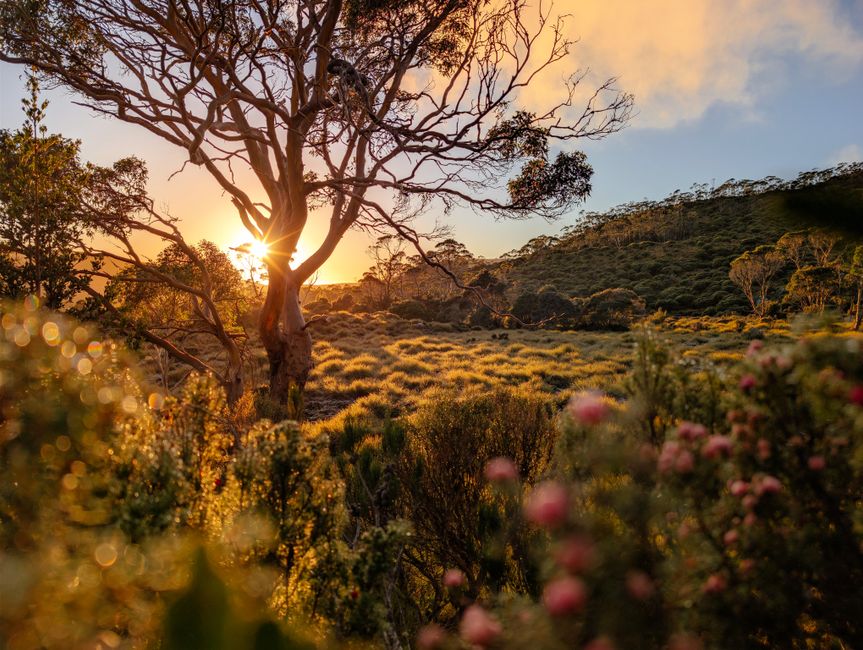
The common mistake is to picture Tasmania as a mild city break with a quick snow stop. July is colder, darker and more changeable than that. Hobart can feel crisp and sunny while Cradle Mountain sits under rain, ice, fog or fresh snow a few hours later.
This route works best as a seven-day self-drive with two nights near Cradle Mountain, a flexible mountain day and enough daylight for slow winter roads. The reward is quiet trails, snow-dusted peaks, warm food in Hobart and a much better chance of seeing wombats without summer crowds.
Is July a good time for a Tasmania road trip?
Yes, if you want winter scenery and accept that the schedule must bend around weather. July is the best month of the three winter months for a realistic chance of snow at Cradle Mountain, but snow is never guaranteed on a particular morning. The alpine weather can change from clear sky to sleet within minutes.
Hobart is easier. Plan waterfront walks, galleries, Salamanca Market and restaurants for wet afternoons, then use a clear morning for kunanyi / Mount Wellington. Check the official winter advice for Cradle Mountain before leaving the city because road conditions and shuttle operations can change.
My verdict: July is the right month for travellers who value atmosphere over guaranteed hiking weather. It is the wrong month for a tightly timed itinerary built around one summit view. Book cancellable accommodation, keep one indoor Hobart day available and treat snow as a bonus rather than the only reason to drive west.
What does a seven-day Hobart to Cradle Mountain itinerary look like?
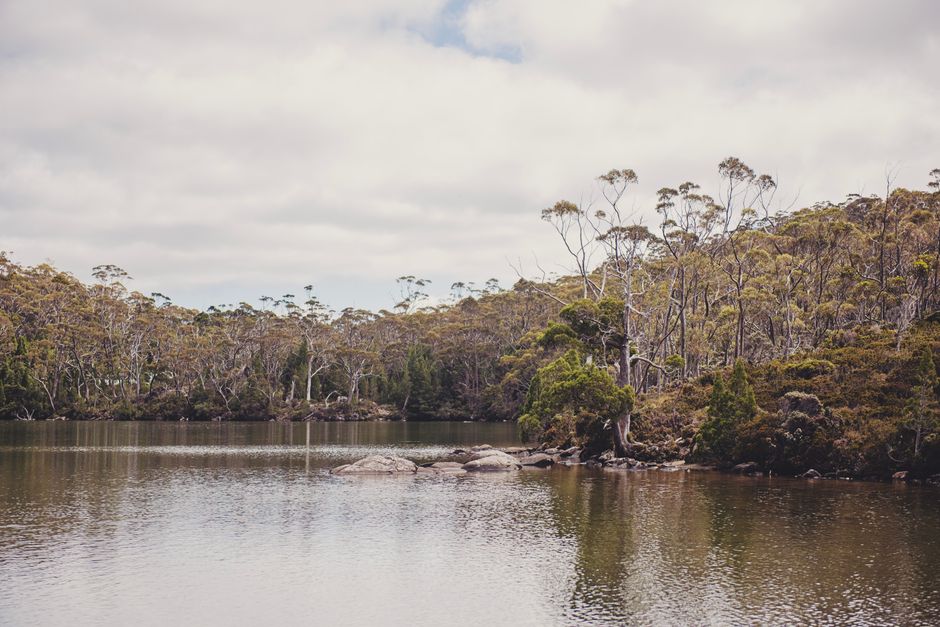
Use Hobart for the first two nights, Cradle Mountain for the next two, and keep the final two nights flexible. The direct Hobart-to-Cradle route is about 280 kilometres and officially takes around 3 hours 15 minutes in normal conditions via Sheffield. In July, allow five hours once you add fuel, food, slower bends and photo stops.
| Day | Sleep | Plan | Winter rule |
|---|---|---|---|
| 1 | Hobart | Arrive, collect the car, walk the waterfront and buy food for the road. | Do not drive to Cradle after a late flight. |
| 2 | Hobart | Salamanca, Battery Point and kunanyi / Mount Wellington if Pinnacle Road is open. | Check the road status before climbing. |
| 3 | Cradle Mountain | Drive west via the Midlands Highway, Deloraine and Sheffield. | Leave Hobart by 8 a.m. and refuel before the mountain roads. |
| 4 | Cradle Mountain | Take the shuttle to Dove Lake and walk the circuit only if visibility and footing are good. | Use the shorter boardwalk options in snow or heavy rain. |
| 5 | Cradle Mountain | Keep as a second weather day for Dove Lake, Enchanted Walk or Devils@Cradle. | Do not force a long walk after overnight ice. |
| 6 | Hobart | Return east, stopping for lunch in Sheffield or a short leg stretch in the Midlands. | Start early; animal activity rises around dusk. |
| 7 | Hobart | Breakfast, airport return and a fuel check before handing back the car. | Allow extra time for wet roads and rental inspection. |
This plan avoids the classic error of giving Cradle Mountain one morning and then driving away disappointed because cloud hid the mountain. Two nights give you a second chance. If you have only four or five days, spend two nights in Hobart and two near Cradle rather than adding another distant region.
How should you drive from Hobart to Cradle Mountain in July?
Winter driving in Tasmania is mostly about time management. The route is not an extreme expedition, but it includes wet pavement, fog, slippery bridges, winding roads, gravel pull-offs and sudden wildlife. Your navigation app may show a fast arrival time that assumes dry roads and no stops. Ignore that estimate.
Leave Hobart with fuel, food and a live forecast
Fill the tank in Hobart or New Norfolk, download the route in Google Maps, and carry water and food inside the car. Check the Bureau of Meteorology forecast for Hobart, Sheffield and Cradle Mountain, then check TasALERT and the Tasmanian road-conditions service just before departure. Three forecasts matter because the weather can be pleasant at sea level and poor on the plateau.
Leave by 8 a.m. on the transfer day. Stop at a major town for fuel instead of waiting for the warning light. Keep the windscreen washer reservoir full, clear every window before moving and use headlights in fog. Tasmania drives on the left, and the safest response to an animal near the road is to slow down smoothly rather than swerve into oncoming traffic.
Plan the route around daylight, not mileage
Do not schedule a long mountain walk after arriving at 3 p.m. in July. Use the first day for the transfer and a short local walk near your accommodation. At Cradle Mountain, park at the visitor centre and use the shuttle to Dove Lake during operating hours. The winter shuttle normally runs from 8:45 a.m. to 4 p.m., seven days a week, but the service can change with weather. Private vehicle access is restricted around shuttle operating periods.
The Cradle Mountain shuttle information lists the current stops, seasonal hours and ticket rules. Save it offline. A dead phone battery at the visitor centre is an avoidable problem.
Use the right winter margin
Keep at least two hours of daylight between the end of a walk and the final drive to your accommodation. Ice can remain on shaded bends long after the main road looks clear. If a road sign, ranger or rental company tells you to fit chains, stop and follow the instruction. AWD helps a car gain traction, but it does not shorten braking distance on ice.
The clear verdict is simple: drive in daylight, accept a slower arrival and never turn the Hobart-to-Cradle transfer into an evening challenge.
What can go wrong at Cradle Mountain?
Do I need a national park pass in July?
Yes. A valid pass is required for Cradle Mountain-Lake St Clair National Park. A Cradle Mountain Icon Day Pass includes the shuttle for the day. Check the current Tasmania park-pass prices before payment because fees are reviewed.
What if the mountain is hidden by cloud?
Do the walk anyway only if the track is safe and you want a forest experience. The Dove Lake circuit can still be beautiful in mist, but do not promise yourself a famous mountain photograph. Keep the second Cradle day free so you can return when the cloud lifts.
Can I walk after fresh snow?
Yes, on a suitable short route with warm layers, good boots and enough daylight. Turn around when ice, wind or poor visibility makes navigation uncertain. A phone map is not a substitute for local knowledge, and reception can be unreliable. Tell your accommodation where you are going and carry a charged phone.
What mistake causes the most trouble?
Driving after dark because a map promised a short trip. Wildlife, fog and black ice become harder to spot at night. Finish the day near your accommodation, eat something warm and use the next morning for the view.
