
Is Vienna worth visiting in January?
The cold is manageable
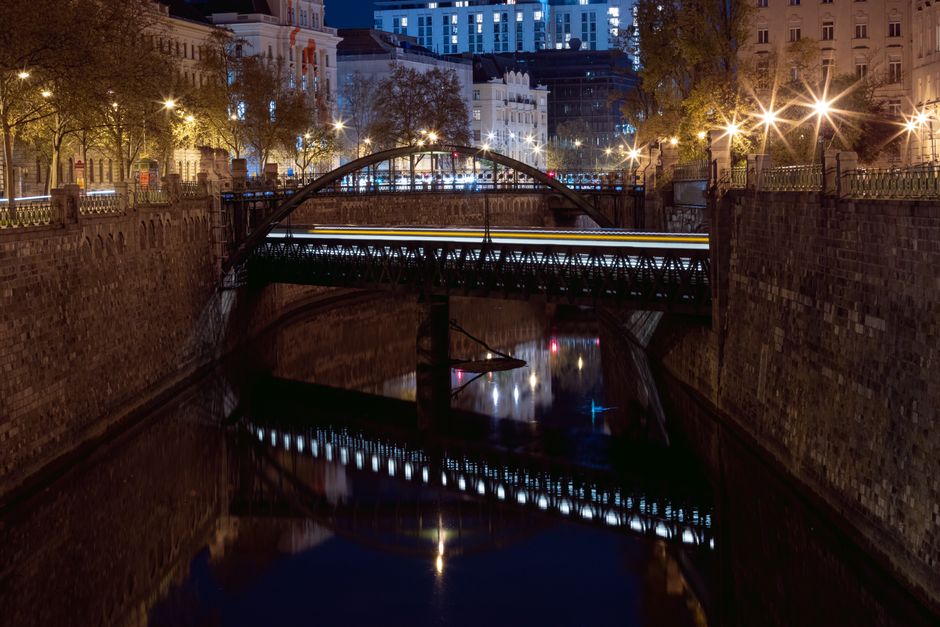
The common misconception is that Vienna in January means closed attractions, empty streets, and nothing to do after Christmas; the reality is a city built for cold-weather culture, with average winter temperatures around 0°C, occasional snow, short daylight, and more than 100 museums, traditional cafés, concert halls, and ballrooms operating indoors.
The January verdict
January is worth it if you want Vienna for its interiors and traditions rather than outdoor gardens, because the season brings lower visitor pressure, active ball calendars, less competition for café tables, and a strong museum schedule, but it is a poor choice if your priority is warm weather, long evening walks, or a reliable view of green palace grounds; snow is possible but never guaranteed, so plan for damp pavement and gray skies instead of building the trip around a postcard forecast.
The best value comes from treating the city as a sequence of warm stops: breakfast in a coffee house, one focused museum, an early dinner, and a concert or ball after dark, with public transport filling the gaps; that rhythm reduces wasted time and keeps the weather from controlling the trip.
Bottom Line: choose January for culture, architecture, coffee, and dancing, not for sunshine; the month rewards travellers who reserve one or two headline events and leave the rest flexible.
Which Vienna coffee houses are worth your time?
Café Central for the grand first visit
Café Central is the obvious choice for travellers who want vaulted interiors, polished service, and a famous address near the Hofburg. That fame creates a cost: queues and a more tourist-heavy room during peak breakfast and afternoon hours. Go soon after opening or use it as a deliberate one-hour stop rather than expecting a quiet office. Order one coffee and one pastry, then move on; the point is the setting and ritual, not turning a single café into an all-day attraction.
Café Sperl and Café Jelinek for a slower afternoon
Café Sperl has the worn-in character many visitors expect from an old Viennese coffee house, while Café Jelinek in the sixth district works well on a rainy morning or after visiting nearby museums. These places are better choices for reading, conversation, or a simple meal because they feel less like a single photo stop. Service can be unhurried. That is part of the culture, but it also means you should not schedule a tight museum entry immediately afterward.
Café Landtmann for location and people-watching
Café Landtmann sits beside the Ringstrasse and the Burgtheater, making it useful when an itinerary already passes through the area. Prices are usually higher than a neighbourhood bakery, and the famous name does not guarantee the best pastry of the trip. The real value is the location, seating, and grand-room atmosphere. A practical coffee-house budget is €8 to €18 per person for coffee and a pastry, rising with breakfast plates or cake. Avoid ordering several items just to justify a table; one drink is enough, and the next café can be a different experience.
Bottom Line: choose Café Central for architecture, Café Sperl or Café Jelinek for atmosphere, and Café Landtmann for a convenient Ringstrasse pause. The strongest plan includes two different styles instead of chasing every famous name.
Which museums make the best January day plan?
Choose one large museum and one smaller stop
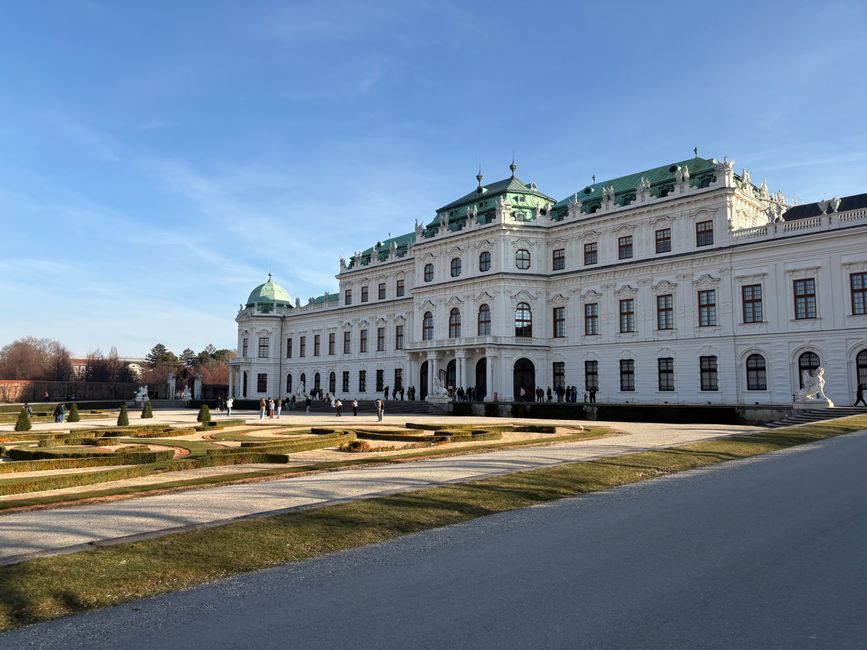
January is ideal for museums, but three major collections in one day is a poor use of money and attention. Pick one anchor museum, allow two to three hours, then add a smaller gallery or café. The Albertina is central, opens daily from 10 a.m. to 6 p.m., and stays open later on Wednesday and Friday; its adult admission listed for 2026 is €20.90. The Upper Belvedere lists adult admission at €23 and requires a time-slot ticket, while the Lower Belvedere lists €20.
| Venue | Adult admission listed for 2026 | Best use |
|---|---|---|
| Albertina Museum | €20.90 | Prints, modern exhibitions, central location |
| Upper Belvedere | €23 | Klimt, palace interiors, timed entry |
| Lower Belvedere | €20 | Temporary exhibitions and Baroque rooms |
| Belvedere 21 | €12 | Contemporary art and a lower-cost visit |
| Belvedere three-venue ticket | €34 | Only if you will visit all three |
Make the numbers work
The three-venue Belvedere ticket saves money only when you actually enter all three sites, not when you buy it because the discount looks attractive. Public transport also changed in 2026: a digital 24-hour Vienna ticket is listed at €9.70, and a digital seven-day ticket at €25.20. Check opening days and exhibitions before paying; a cheaper ticket for a museum you rush through is still wasted spending.
Bottom Line: the best January museum day is one major collection, one smaller venue, and a warm café interval. Depth beats a hurried checklist.
How do Vienna winter balls work?
Do visitors need dance experience?
No. Traditional balls open with a formal presentation and often a short waltz, but guests spend the night moving between dance floors, bars, food areas, and themed rooms. Beginners can take a lesson before the trip or learn the basic slow waltz and quickstep patterns at home. You do not need perfect technique, but you do need to follow the dress code and avoid treating the event like a nightclub.
Which January balls are easiest to understand?
The 2026 calendar included the Confectioners’ Ball at the Hofburg on January 15, the Vienna Philharmonic Ball at the Musikverein on January 22, the Coffeehouse Owners’ Ball at the Hofburg on January 23, and the Rainbow Ball at Parkhotel Schönbrunn on January 24. Dates, venues, and ticket rules change each season, so check the official event page before booking flights around one night. The Vienna Opera Ball is normally later, in February, and should not be assumed to fall in January.
What does a ball cost beyond the ticket?
Budget for formal clothing, shoes that can handle several hours of standing, transport after midnight, and food or drinks inside the venue. The most common mistake is buying a ticket before confirming the dress code or return route. Some events sell out early, while others welcome casual spectators or have different entry rules. Reserve the ball first, then build the museum and café schedule around it.
Bottom Line: the Coffeehouse Owners’ Ball fits the theme of this trip, while the Rainbow Ball offers a more inclusive and modern atmosphere. Pick one event you can dress for comfortably instead of forcing several expensive nights into a short stay.
What mistakes should travellers avoid in January?
Five expensive or frustrating mistakes
- Assuming snow is guaranteed. Pack for wet cold, not a winter postcard.
- Scheduling a palace garden tour as the main event. Schönbrunn remains worthwhile, but the gardens can feel bleak and exposed in bad weather.
- Buying a museum pass without counting admissions. Compare the €20.90 Albertina ticket, €23 Upper Belvedere ticket, and the visits you will genuinely complete.
- Choosing a ball without checking the dress code, ticket release date, or late-night transport.
- Trying to visit three major museums in one day. Fatigue turns expensive collections into background noise.
When should you choose another season?
Choose May through September if outdoor cafés, gardens, long daylight, and warm evening walks matter more than ballroom culture. Choose December if Christmas markets are the priority, though crowds and hotel prices can be higher. January is the better trade for travellers who want indoor culture and can tolerate cold, early darkness, and a flexible weather plan.
A realistic daily spending outline excluding accommodation is roughly €10 for local transport when needed, €20 to €30 for a museum, €10 to €18 for a café stop, and €20 to €35 for an inexpensive meal, before concerts or ball tickets. The honest saving tactic is selecting fewer paid attractions and spending longer inside them.
Bottom Line: Vienna in January rewards deliberate choices: one strong museum, one memorable café, and one properly planned evening event. The city’s winter culture is becoming more varied, but its best value still comes from slowing down rather than adding more reservations.
