Most families plan Korea the same way they’d plan a couples trip. That’s the first mistake. Kids don’t care about 12-hour palace tours or waiting 45 minutes for a viral cafe. They care about space to run, food they recognize, and not being dragged through subway transfers during rush hour.
You’re here because you want a family trip that doesn’t end in meltdowns. Here are the six specific mistakes I see families make, and the exact fixes for each one.
Mistake #1: Packing the Itinerary Like a Solo Traveler
Three activities per day is the maximum for a family with kids under 12. Not five. Not “we’ll see how we feel.” Three. Korea’s top attractions are spread across a massive metro area, and travel time between them eats 40-60 minutes each way.
A realistic Seoul day with kids looks like this:
| Time | Activity | Travel Time | Kid Energy Cost |
|---|---|---|---|
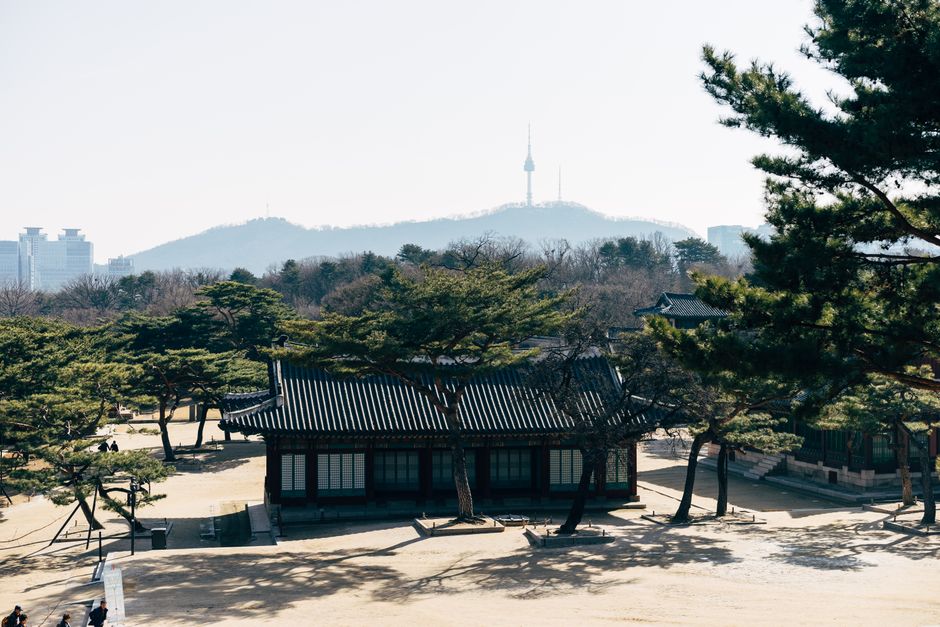
| 9:00 AM | Gyeongbokgung Palace (rent hanbok for kids, 1.5 hrs max) | 20 min from central Seoul | Medium — lots of walking |
| 11:30 AM | Lunch at Tosokchon Samgyetang (arrive before noon, no line) | 10 min walk | Low — seated, warm food |
| 1:00 PM | Children’s Museum of the National Folk Museum (free, indoor, AC) | 5 min walk | Low — hands-on exhibits |
| 3:00 PM | Back to hotel for rest or nap | 25 min | Recovery time |
| 5:30 PM | Dinner + evening walk along Cheonggyecheon Stream | 15 min | Low — flat path, water views |
That’s one palace, one museum, one stream walk. Three stops. The kids stay functional. You still see real Korea.
What to Cut Without Guilt
Bukchon Hanok Village sounds charming. It’s also steep hills, narrow alleys, and crowds. Skip it with kids under 8. N Seoul Tower? The cable car line on weekends can hit 90 minutes. Do it on a weekday or skip entirely — the view from Namsan Park’s lower trails is free and just as good for kids who won’t sit still at the top anyway.
Mistake #2: Using Taxis Instead of Learning the Subway
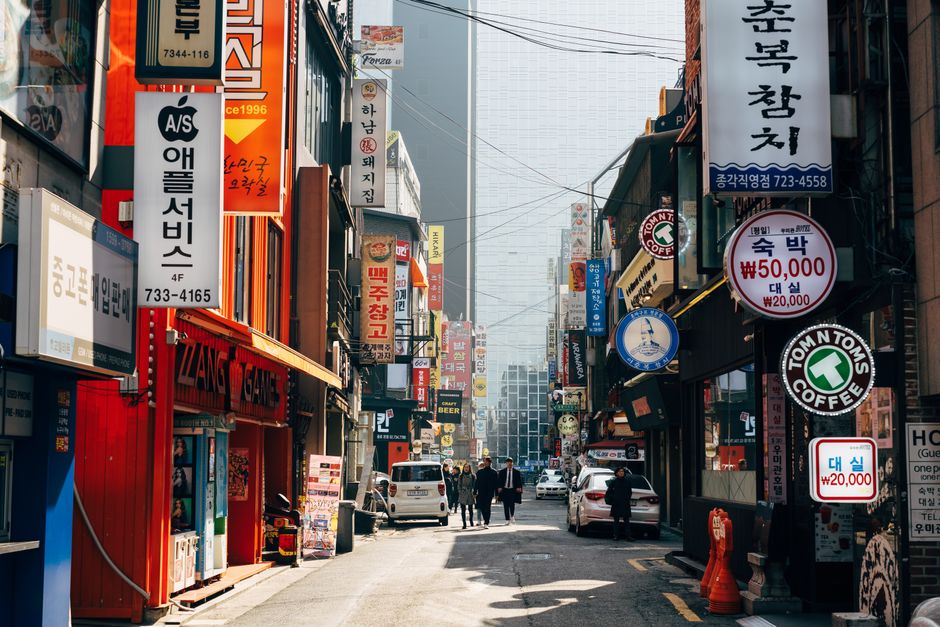
I get it. Taxis feel easier with kids. But Seoul traffic between 5-8 PM is brutal, and taxi drivers often can’t communicate in English. You’ll sit in gridlock while your kid needs a bathroom.
The Seoul subway is the single best family transportation system in Asia. Every station has elevators (marked with a wheelchair icon), bathrooms on every platform level, and clear English signage. Kids under 6 ride free. Kids 6-12 pay about 450 won ($0.35) per ride with a child T-money card.
Buy a T-money card at any convenience store (GS25, CU, 7-Eleven) for 3,000 won ($2.25) per card, then load 20,000 won ($15) per person for a 5-day trip. The card works on subways, buses, and even convenience store purchases. Refund unused balance at the airport before departure (under 20,000 won only).
Download the Naver Map app before you land. Google Maps doesn’t work well in Korea — it’s missing real-time transit data. Naver Map has English mode and gives you exact platform numbers and exit numbers. This one app saves you 30 minutes of confusion per day.
The One Taxi Exception
Use Kakao T (the Korean Uber) for airport transfers if you have more than 2 bags per adult. The Airport Railroad Express (AREX) is cheaper and faster, but dragging 4 suitcases and 2 kids through Seoul Station at rush hour is not worth the savings. Kakao T from Incheon to central Seoul runs about 60,000-75,000 won ($45-55).
Mistake #3: Booking the Wrong “Kid-Friendly” Attractions
Lotte World is overrated for families. There, I said it. It’s crowded, the lines are long, and half the rides have height restrictions that exclude kids under 110cm. You’ll pay 62,000 won ($47) per adult and 54,000 won ($41) per child for a day of waiting in indoor queues.
Better alternatives for actual family fun:
- Seoul Children’s Grand Park — free entry, small zoo, playgrounds, and a modest amusement area. Pay per ride (3,000-5,000 won each). Total cost for a family of 4: under 40,000 won ($30) for a full afternoon.
- Han River Park (Yeouido or Banpo) — rent bikes, fly kites, eat ramyeon from the convenience store. Kids run free. Cost: bike rental 3,000 won per hour.
- Seoul Forest — deer feeding area (free), massive playgrounds, insect garden. The deer food is 1,000 won from the vending machine.
- Gwacheon National Science Museum — 40 minutes south of Seoul, interactive exhibits, planetarium, outdoor science park. Admission 4,000 won for adults, 2,000 won for kids. Better value than any indoor theme park.
If you absolutely must do a theme park, choose Everland over Lotte World. It’s further out (1.5 hours by bus from Gangnam), but it’s outdoors, has a zoo section, and the lines move faster. Ticket prices are similar, but the experience is far less claustrophobic.
Mistake #4: Assuming Korean Food Will Be a Problem
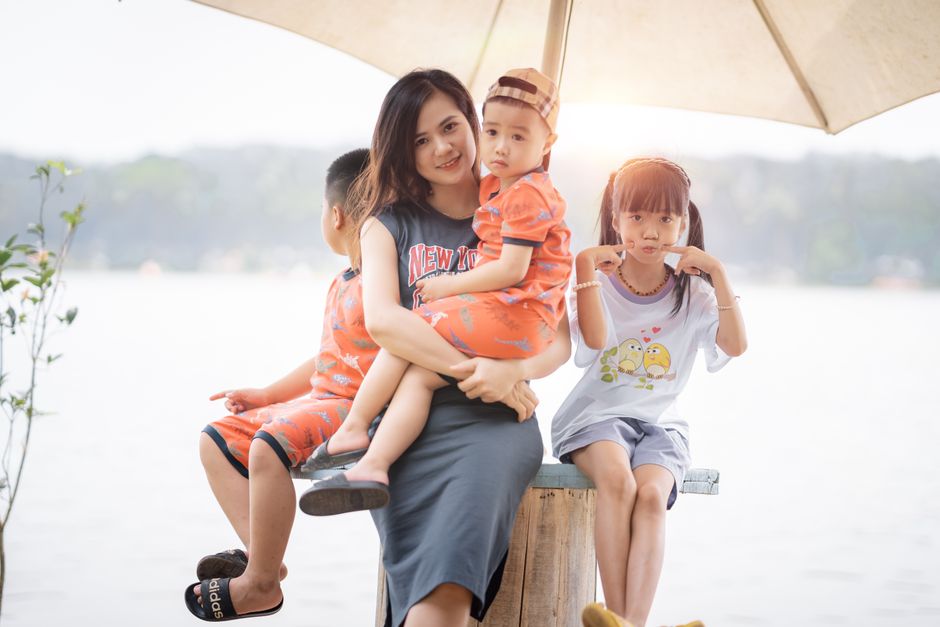
Parents worry about this more than they should. Korean food is actually easier for picky eaters than Japanese or Chinese food. Why? Because meals are built around rice, mild soups, and grilled meats. The spicy sauces come on the side.
Safe bets for kids:
- Samgyeopsal (grilled pork belly) — kids grill their own meat at the table. It’s dinner and entertainment. Order plain rice and lettuce wraps. No spice required.
- Kimbap — Korean rice rolls filled with vegetables, egg, and sometimes tuna or beef. No spice. Sold everywhere for 3,000-5,000 won per roll. This is the Korean sandwich.
- Mandu (dumplings) — steamed or fried, mild filling. Every kid eats dumplings.
- Japchae (glass noodles with vegetables) — slightly sweet, zero spice, served at room temperature.
- Bibimbap — rice bowl with vegetables and optional gochujang on the side. Order it “gochujang ppae-go juseyo” (without chili paste) for sensitive kids.
Convenience stores in Korea are not like convenience stores in the US. GS25 and CU sell fresh kimbap, onigiri, fruit cups, yogurt, and boiled eggs. You’ll never be more than 2 blocks from a store where you can feed a kid for under 5,000 won.
The One Food to Avoid
Tteokbokki (spicy rice cakes) looks kid-friendly because it’s colorful and sold on every street corner. It’s not. The sauce is significantly spicier than most American kids can handle. If your kid insists, ask for “덜 맵게” (deol maep-ge — less spicy) or just skip it.
Mistake #5: Staying in Myeongdong or Dongdaemun
These areas are famous for shopping. That’s exactly why they’re wrong for families. Myeongdong is wall-to-wall people, aggressive street vendors, and overpriced hotels. Dongdaemun is loud until 4 AM. Your kids will be exhausted, and you’ll pay 200,000+ won ($150+) per night for a room the size of a closet.
Stay in Jamsil instead. It’s near Lotte World (if you decide to go), Seokchon Lake, and Olympic Park. The area is flat, walkable, and full of family restaurants. Hotels like the Lotte Hotel World and Signiel Seoul are expensive, but mid-range options like the Hotel Pharos or Lake Tourist Hotel run 80,000-120,000 won ($60-90) per night.
For a longer trip, split your stay: 3 nights in Seoul (Jamsil area), 2 nights in Jeju Island. Jeju is Korea’s family paradise — beaches, waterfalls, horseback riding, and the Teddy Bear Museum. Fly from Gimpo Airport (not Incheon) to Jeju for about 40,000-60,000 won ($30-45) each way on Jeju Air or Jin Air.
Mistake #6: Not Planning for Bathrooms and Rest Stops
This sounds trivial. It’s not. With kids, bathroom access dictates your entire day.
Good news: Korea has more public bathrooms than almost any country on Earth. Subway stations, department stores, museums, and parks all have clean, free facilities. You’ll rarely be more than 5 minutes from a bathroom in Seoul.
The challenge is finding them fast. Naver Map lets you search “화장실” (hwajangsil — bathroom) and shows the nearest options. Department stores (Lotte, Shinsegae, Hyundai) have the cleanest facilities and are open until 8 PM. Coffee shops require a purchase, but a 4,000 won Americano at Mega Coffee or Paik’s Coffee buys you 20 minutes of AC and a clean bathroom.
For long bus rides (like Seoul to Everland or the airport route), rest stops on Korean highways are exceptional. They have convenience stores, food courts, and clean bathrooms. The bus driver will announce stops in Korean — watch for the blue rest area signs and be ready to move fast. Buses stop for 10-15 minutes only.
Pack a small “bathroom kit” for each kid: tissues (some older bathrooms don’t have paper), hand sanitizer, and a plastic bag for emergencies. It weighs nothing and saves you from a bad afternoon.
The 5-Day Seoul Family Itinerary That Actually Works
Here’s the compressed version. Steal this and adjust for your kids’ ages:
Day 1: Arrive Incheon, AREX or Kakao T to hotel in Jamsil. Unpack, walk around Seokchon Lake, early dinner at a samgyeopsal restaurant. No sightseeing.
Day 2: Gyeongbokgung Palace (morning, rent hanbok for photos), lunch at Tosokchon, Children’s Museum (afternoon). Rest at hotel. Evening walk along Cheonggyecheon.
Day 3: Seoul Children’s Grand Park (morning), lunch nearby, Han River Park at Yeouido (afternoon bike rental and kite flying). Dinner at a kimbap shop.
Day 4: Gwacheon National Science Museum (full day, indoor and outdoor sections). Dinner near hotel. Pack for next day.
Day 5: Seoul Forest (deer feeding, playgrounds), final souvenir shopping at a local mart (not Myeongdong), head to airport.
Total estimated cost for a family of 4 (2 adults, 2 kids) excluding flights: 1,200,000-1,500,000 won ($900-1,100) for 5 days including hotel, food, transport, and attractions. That’s not budget travel — that’s comfortable mid-range.
Korea rewards families who slow down. Three stops a day. Subway over taxis. Convenience store kimbap over fancy restaurants. Kids remember the deer at Seoul Forest and the bikes at Han River more than any palace.
