
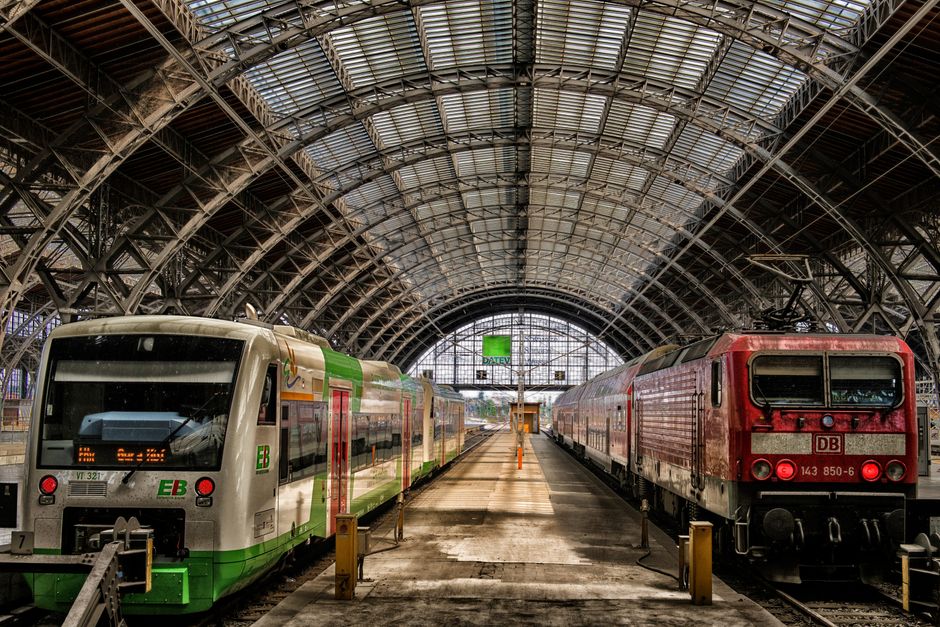
You can cross from Europe to Asia by train. It takes planning, but the route is real. The Trans-Siberian Railway is the most famous option, but it is not the only one. In 2026, new connections and relaxed visa rules make this trip more accessible than ever.
1. The Classic Route: Trans-Siberian Railway
This is the benchmark. Moscow to Vladivostok covers 9,289 km and takes 6–7 days on the Rossiya train. You cross into Asia at the Ural Mountains near Yekaterinburg.
Cost and classes
A third-class platzkart ticket costs around $300. Second-class kupe (4-berth compartment) runs $500–$700. First-class SV (2-berth) is $900–$1,200. Prices vary by season.
Best time to go
May to September. Winter temperatures hit -40°C and delays are common. Summer offers 18+ hours of daylight in northern sections.
Verdict: For first-time overland travelers, this route is the safest bet. Book kupe class for a balance of comfort and social experience.
2. The Southern Silk Road: Baku to Almaty

This route avoids Russia entirely. Start in Baku, Azerbaijan. Take the overnight train to Tashkent, Uzbekistan (2 nights, $60). Then connect to Almaty, Kazakhstan (1 night, $40).
The Baku-Tbilisi-Kars railway opened in 2017 and now runs reliably. A Baku-Tbilisi ticket costs $25 for a seat, $50 for a sleeper.
Mistake to avoid: Do not assume you can buy tickets at the station. Book online via Turkish State Railways or Uzbekistan Railways at least 2 weeks ahead. Trains sell out in summer.
Verdict: This is the most scenic alternative to the Trans-Siberian. The Caspian Sea crossing (Baku to Aktau by ferry) adds an adventure element, but the ferry schedule is unpredictable — allow 2–3 buffer days.
3. Istanbul to Tehran: The Express Route
This is the shortest overland crossing from Europe to Asia. The Trans-Asia Express runs from Istanbul to Tehran in 3 days. Cost: $80–$120 for a couchette.
The train crosses the Bosphorus via the Marmaray tunnel — you are technically in Asia within 10 minutes of departure. The route passes through Ankara, Sivas, and Lake Van (ferry crossing).
Visa requirement: Iran offers a 30-day visa on arrival for most nationalities. Cost: €75. You need a confirmed hotel booking. Use Iranian Railways website to check schedules.
Verdict: Best for travelers on a tight timeline. 3 days vs 7 on the Trans-Siberian. The Lake Van ferry is a highlight — book a window seat on the right side.
| Route | Duration | Cost (low season) | Border crossings |
|---|---|---|---|
| Moscow–Vladivostok | 6–7 days | $300–$1,200 | None (within Russia) |
| Baku–Almaty | 5–7 days | $100–$200 | Azerbaijan, Kazakhstan, Uzbekistan |
| Istanbul–Tehran | 3 days | $80–$120 | Turkey, Iran |
| Moscow–Beijing (via Mongolia) | 6–7 days | $500–$1,500 | Russia, Mongolia, China |
4. The Wildcard: Moscow to Beijing via Mongolia
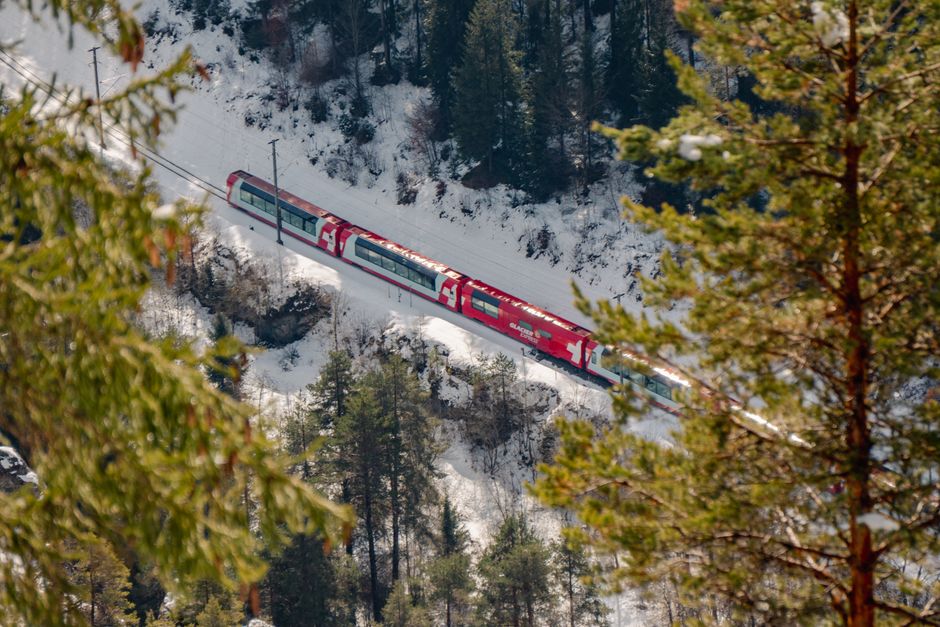
This is the Trans-Siberian’s most famous branch. From Moscow, take the Moscow–Beijing Express (train 004) or the slower Moscow–Ulaanbaatar train. The route crosses the Gobi Desert and Lake Baikal.
Cost: $500–$1,500 depending on class. The Chinese section (from Erlian to Beijing) is high-speed — 200 km/h. The Mongolian section is Soviet-era rolling stock with coal heating.
Failure mode: The Chinese visa. You need a double-entry visa if you plan to exit and re-enter China. Apply 6–8 weeks before departure. Single-entry costs $140, double-entry $180.
Verdict: The most culturally diverse route. Mongolia is the highlight — book a stopover in Ulaanbaatar for 2 days. The Khan Palace Hotel ($40/night) is clean and central.
5. The Budget Option: Student Trains and Local Connections
You do not need luxury. Local trains across Eastern Europe and Central Asia cost pennies. A second-class ticket from Warsaw to Kyiv costs $25. Kyiv to Moscow is $40 (no direct train in 2026 — take a bus to Bryansk, then train).
From Moscow, take suburban electric trains (elektrichka) to Yekaterinburg for $15. They are slow (48 hours) but you meet locals and eat homemade food sold at stations.
Mistake to avoid: Do not take elektrichka trains overnight in winter. They are unheated between stops. Carry a sleeping bag rated to -10°C.
Verdict: This is for the budget traveler with time. Total cost from London to Beijing via local trains: $400–$600. Time: 3–4 weeks.
6. The Luxury Option: The Orient Express (Limited)
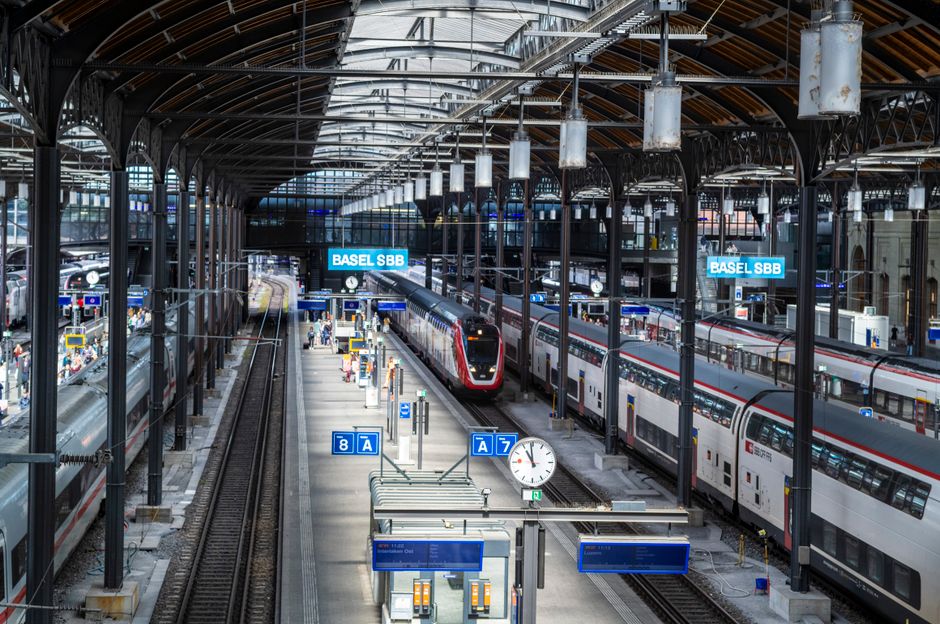
The Venice Simplon-Orient-Express runs from Paris to Istanbul. It is not a practical crossing — it costs $9,000+ and takes 6 days. But it is the most famous train in the world.
The train uses restored 1920s carriages. Meals are included (white tablecloths, five courses). The route goes through the Alps, Budapest, and Bucharest before reaching Istanbul.
When NOT to buy: If you want to actually travel across Asia. This train stops at the European side of Istanbul. You need to take a taxi (10 minutes) to the Asian side. The Orient Express is a hotel on wheels, not a transit method.
Verdict: Only for special occasions. The Belmond Grand Hibernian in Ireland offers a better value luxury train experience at $4,000 for 3 days.
7. Practical Tips for 2026
Three things will make or break your trip.
Visas. Russia requires a visa for most nationalities ($160, 3-week processing). Mongolia offers 30-day visa-free for 34 countries. China requires a visa ($140, 4-week processing). Iran offers visa on arrival ($75). Plan 8 weeks ahead.
Booking. Use Russian Railways website for Trans-Siberian tickets. Turkish State Railways for Istanbul–Tehran. Uzbekistan Railways for Central Asia. Do not use third-party resellers — they charge 30% markup.
Packing. Bring a power bank (Russian trains have limited outlets), a universal sink plug (many shared bathrooms lack them), and a sleep mask (summer has 22 hours of daylight north of Moscow).
Verdict: The single most important takeaway: book your first ticket 8 weeks before departure, and your last ticket 2 weeks before. That gap gives you time to fix visa problems without losing your main train.
